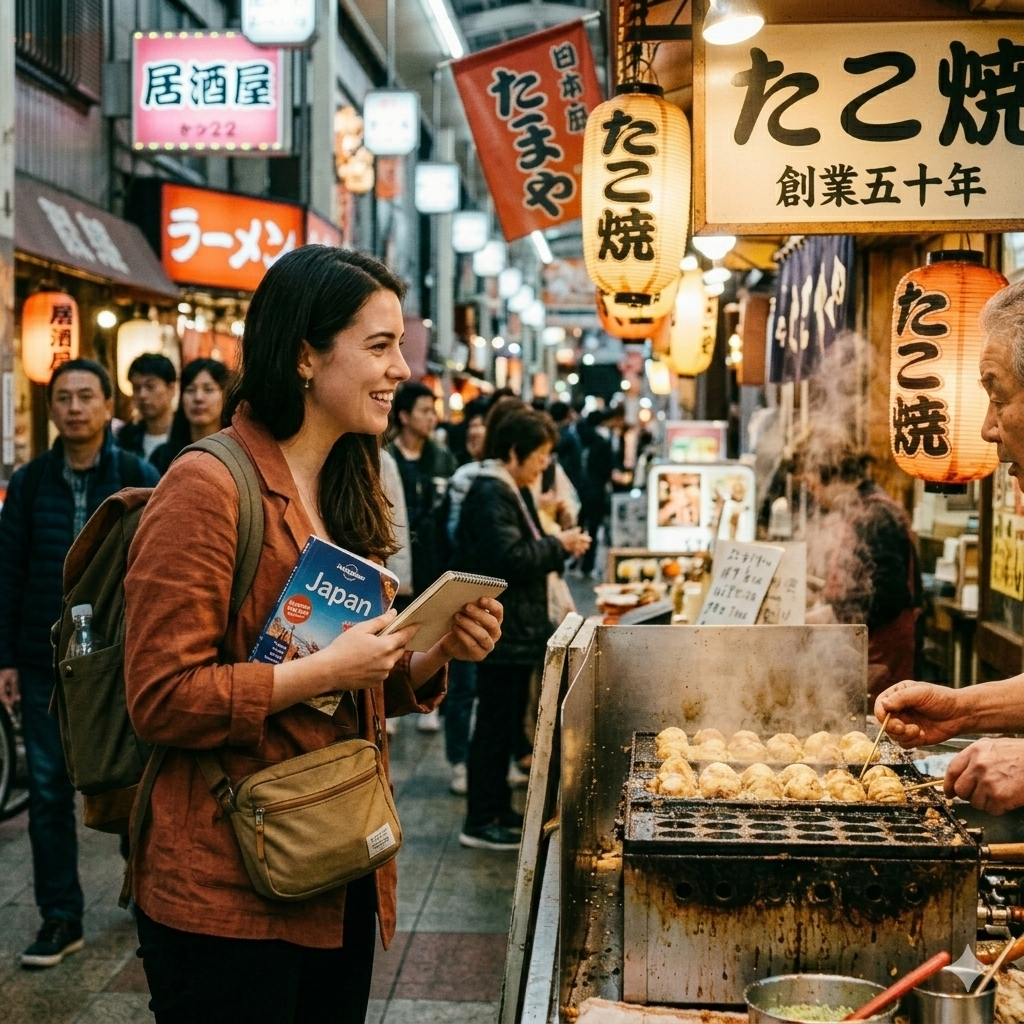
Japan feels like several countries layered into one. Neon megacities sit beside silent temples. Bullet trains glide past ancient forests. Vending machines glow on quiet residential streets. It is a place where deep tradition and futuristic innovation coexist effortlessly.
But here is what many guides don’t tell you: Japan can feel overwhelming at first. The language barrier, transport system, cultural etiquette, and sheer scale of cities like Tokyo can surprise unprepared travellers. If you plan properly, however, Japan becomes one of the most rewarding destinations in the world.
This guide focuses on what first-time visitors genuinely need to know, where to go, how to budget realistically, cultural realities, and common mistakes to avoid.
Why Japan Is Worth Visiting
Japan offers something rare: a destination that feels truly different while remaining incredibly safe, organised, and traveller-friendly. You can explore ultra-modern districts filled with skyscrapers and LED screens in the morning, then wander through centuries-old temples in the afternoon. The food scene is exceptional at every price level, public transport is precise to the minute, and cities remain remarkably clean and orderly. For travellers who enjoy culture, history, food, photography, or simply experiencing a different way of life, Japan delivers in ways few countries can match.
Where First-Time Visitors Should Go
Most first-time travellers follow what is often called the “Golden Route,” and it works well because it balances modern energy with traditional charm.
Tokyo
Tokyo is not just one city but a collection of neighbourhoods, each with its own identity. In one district you will find cutting-edge fashion and technology; in another, peaceful shrines tucked between apartment buildings. The famous Shibuya Crossing captures the city’s intensity, while areas like Asakusa reveal older traditions. For a calmer experience within the city, Shinjuku Gyoen National Garden offers wide green spaces, seasonal flowers, and quiet walking paths that feel worlds away from the surrounding skyline. Spending three to four days in Tokyo allows you to experience both its fast-paced energy and its hidden calm.
Kyoto
Kyoto represents the Japan many travellers imagine before arriving. Wooden machiya houses line narrow streets, geisha districts preserve centuries-old traditions, and temples sit quietly beneath forested hills. Walking through the thousands of vermilion gates at Fushimi Inari Taisha feels surreal, especially if you arrive early in the morning before crowds gather. The bamboo pathways of Arashiyama Bamboo Grove provide another iconic experience. Kyoto rewards slower exploration, and two to three days is ideal for absorbing its atmosphere without rushing.
Osaka
Osaka feels more relaxed and expressive compared to Tokyo and Kyoto. The city is famous for its street food culture, particularly dishes like takoyaki and okonomiyaki, which are best enjoyed fresh from small stalls. Neon reflections along the Dotonbori canal create a lively evening atmosphere, and the overall tone is friendly and energetic. One to two days is usually enough to enjoy Osaka’s highlights, especially if you use it as a base for nearby day trips.
Mount Fuji
Mount Fuji is Japan’s most recognisable natural landmark, yet many visitors are surprised to learn how often clouds obscure it. The best views are typically in the early morning or during winter months when skies are clearer. Staying near Lake Kawaguchi increases your chances of seeing the mountain reflected in still water. You do not need to climb Fuji to appreciate it; in fact, many travellers prefer admiring it from scenic viewpoints and nearby hot springs.
How Expensive Is Japan?
Japan’s reputation for being extremely expensive is outdated. While certain elements such as long-distance train travel and premium hotels can raise costs, everyday expenses can be surprisingly reasonable.
Accommodation ranges from compact business hotels costing around £50 to £90 per night to mid-range hotels between £100 and £180. Luxury stays exceed £250 per night, while capsule hotels can be found for as little as £25 to £40. Rooms are often smaller than in the UK or Europe, so packing efficiently makes a difference.
Food is one of Japan’s greatest strengths in terms of value. Convenience stores sell fresh, high-quality meals for just a few pounds, and casual restaurants often serve filling dishes for under £12. Even specialised ramen shops typically remain affordable. Fine dining exists, but it is entirely possible to eat exceptionally well on a modest daily budget.
Transport is where costs can add up. A one-way bullet train journey from Tokyo to Kyoto can range from £85 to £120. However, local train fares within cities are relatively inexpensive, and the network is extremely efficient.
Best Time to Visit Japan
Spring, particularly March and April, attracts visitors hoping to see cherry blossoms. While beautiful, this period is crowded and accommodation prices rise significantly. Autumn, especially October and November, offers comfortable temperatures and stunning foliage without the same level of tourism pressure. Summer can be hot and humid, though it is also festival season, while winter provides clear skies and fewer crowds, particularly appealing for travellers interested in snow landscapes.
Cultural Tips That Make Your Trip Smoother
Japan operates on subtle but important social norms. Speaking quietly on trains is expected, and queueing is orderly and clearly marked. Eating while walking is generally discouraged, and tipping is not customary. Cash remains widely used, although contactless payments are increasing. Public rubbish bins are surprisingly scarce, so carrying a small bag for waste is practical. Respecting these small details helps visitors blend in and avoid awkward moments.
Safety in Japan
Japan consistently ranks as one of the safest countries in the world. Violent crime rates are extremely low, public transport remains secure even late at night, and lost property is often returned. That said, normal travel awareness should still apply, especially in crowded areas.
Common Mistakes First-Time Visitors Make
One of the biggest mistakes is trying to see too much in a short period. Japan rewards slower exploration, allowing time to absorb atmosphere rather than simply ticking off attractions. Another common issue is underestimating jet lag, particularly after long-haul flights. Travellers also often pack too much luggage, not realising how much walking and stair navigation train stations involve. Learning how to use Google Maps for train routes before arrival can save significant confusion.
Final Thoughts
Japan does not feel like an ordinary holiday destination. It feels like entering a different rhythm of life, one that is precise, respectful, and deeply rooted in both tradition and innovation.
If you approach Japan with patience, curiosity, and realistic planning, it often becomes one of the most memorable journeys you will ever take.

Leave a Reply