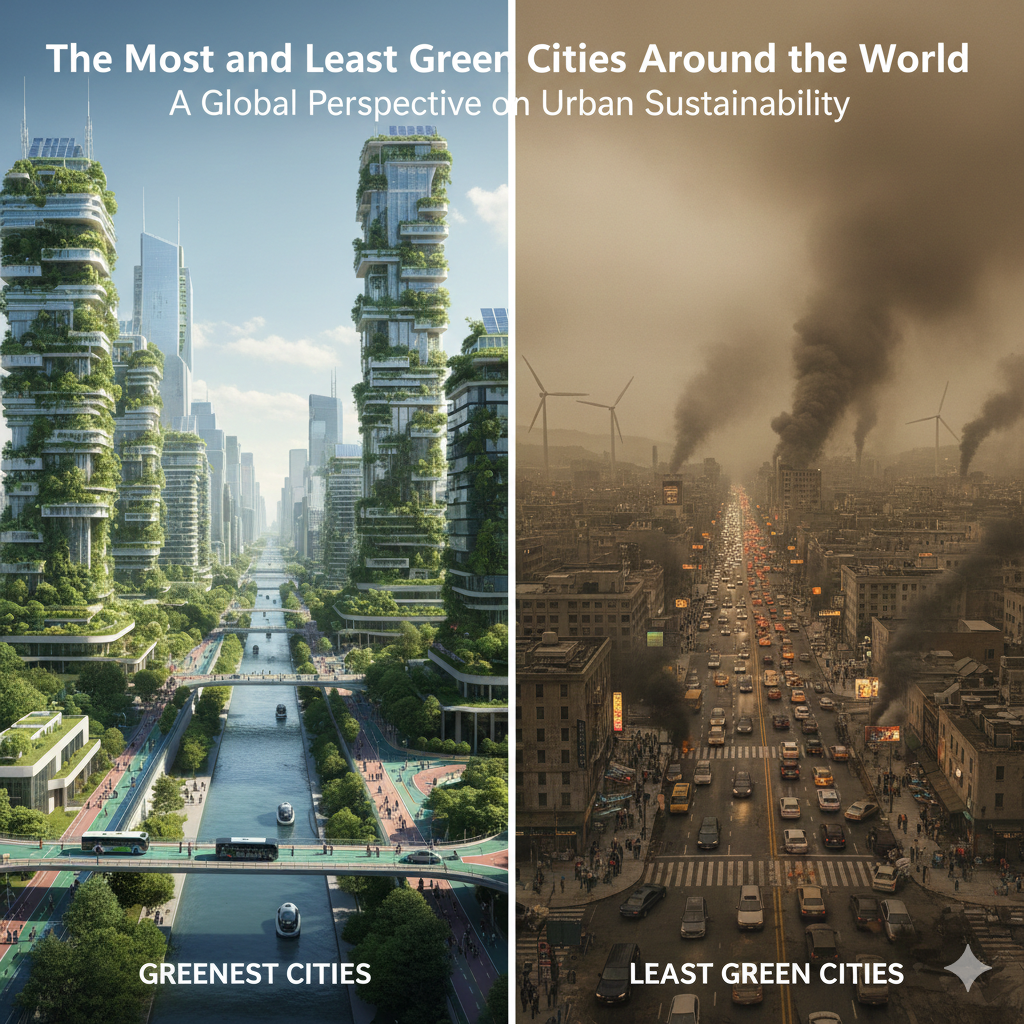
Cities are the beating hearts of civilisation—places where cultures meet, ideas flourish, and progress is made. But as they expand rapidly, many face significant environmental challenges. Some are leading the way in sustainability, while others struggle with pollution and environmental decline. Having visited several of these cities myself, I’ve seen firsthand what makes a city truly green—and where others are still falling short.
Copenhagen: The Epitome of Green Innovation
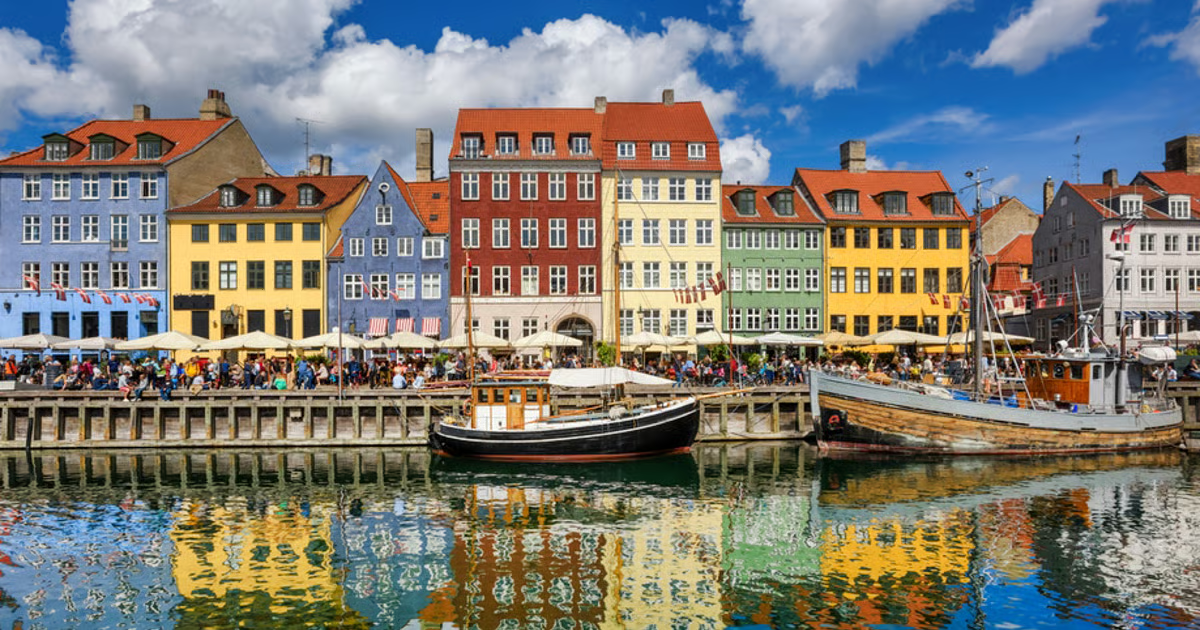
Copenhagen is often heralded as the world’s greenest city, and I can see why. When I visited a few years ago, I was immediately struck by the sight of countless cyclists darting along dedicated bike lanes, many dressed in colourful gear, pedal-powering their way through historic streets. It’s a city that has embedded cycling into its identity—over 60% of residents commute by bike daily. The city’s plan to be carbon-neutral by 2025 feels tangible, not just aspirational. I remember visiting a wind farm just outside the city, where the turbines spun steadily, providing over 40% of Denmark’s electricity. The green rooftops and urban forestry projects I saw in the city centre showed how carefully they blend nature with urban life. Copenhagen’s commitment to sustainable urban planning is truly inspiring.
Singapore: The Seamless Integration of Nature and City
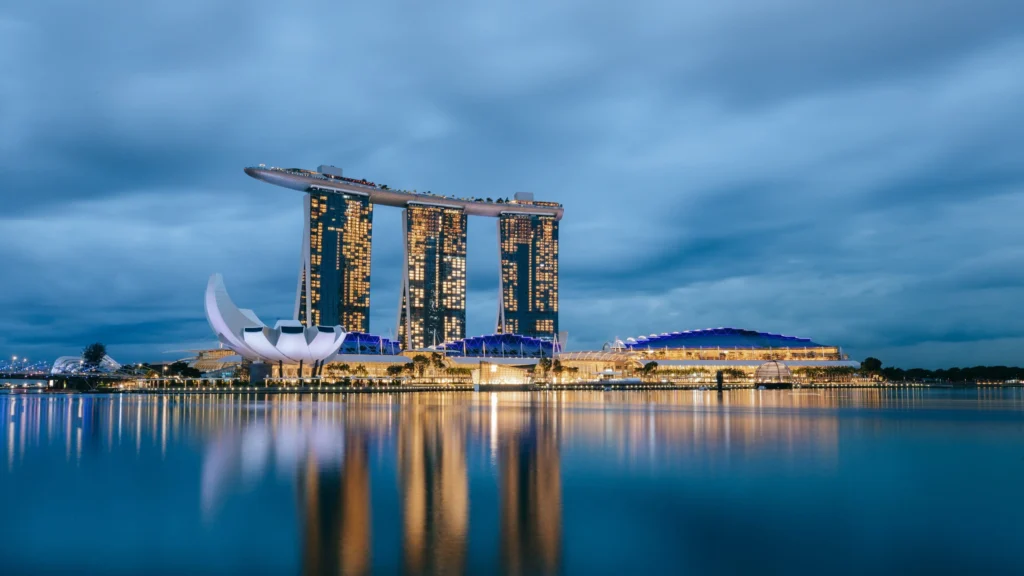
Singapore, often called the “Garden City,” is a marvel of modern eco-design. I once visited during a business trip and wandered through Gardens by the Bay, where towering vertical gardens and colourful Supertrees seemed to reach for the sky. It’s remarkable how this dense city has managed to weave greenery into every corner, from green rooftops to water recycling systems. The city’s eco-friendly building standards, driven by the Green Mark certification, have transformed it into a shining example of urban ecology. I remember touring a water treatment plant that recycles rainwater for irrigation—such small initiatives, but vital for sustainable living. Walking through Singapore, it’s clear that they’ve made a conscious effort to integrate nature into urban life in a way that’s both functional and beautiful.
Vancouver: Nature at Your Doorstep
Vancouver remains one of my favourite cities to visit. I arrived in autumn, when the air was crisp and the trees were bursting with colour. I spent hours cycling along the Seawall, with the ocean on one side and mountains in the distance. The city’s goal to be the world’s greenest by 2025 is evident everywhere I looked. They’re investing heavily in renewable energy, and the extensive parks and green spaces make it easy to escape the urban grind. I was particularly impressed by the zero waste policies—my hotel had recycling bins on every floor, and I saw composting stations everywhere. The city’s focus on sustainable transport, like bike lanes and electric buses, makes it feel like a place that truly cares about its environment.
Stockholm: A City Committed to Climate Action
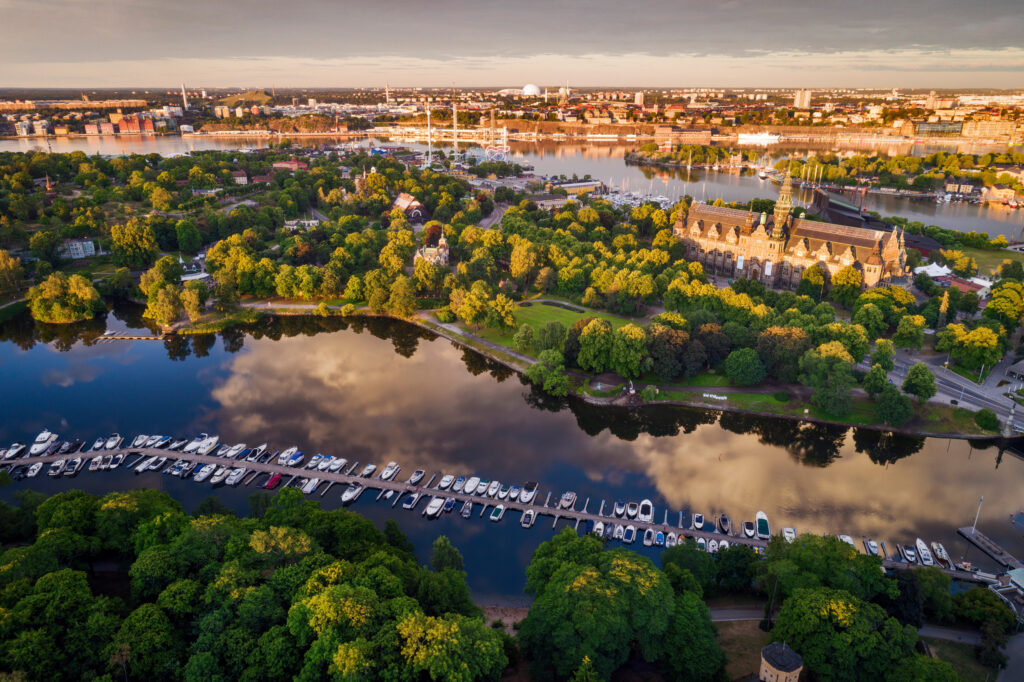
Stockholm is another city I visited that left a lasting impression. I spent days exploring its clean, efficient public transport system, which runs largely on renewable energy. Walking along the waterfront, I was struck by how the city has seamlessly integrated natural waterways and green spaces into its urban fabric. The Swedish capital’s ambitious plan to cut emissions drastically by 2040 is backed by innovative policies—green bonds fund many of their projects, from smart grids to energy-efficient buildings. I recall sitting in a park overlooking the city’s waterways, feeling a sense of calm and hope. Stockholm’s dedication to sustainability proves that with smart planning and community engagement, urban living can be both modern and eco-friendly.
New Delhi: A City Facing Critical Environmental Challenges
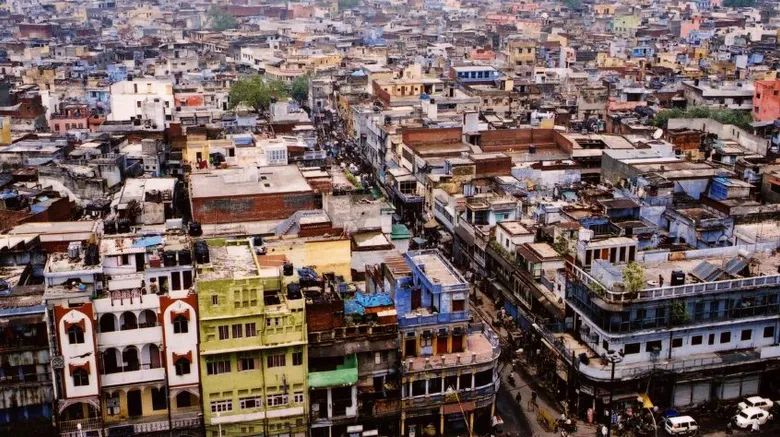
My visit to New Delhi was a stark contrast. The smog was so thick some days that I struggled to breathe, and my eyes stung constantly. Despite efforts to improve air quality, the city is still battling hazardous pollution levels nearly all year round. The air is filled with vehicle fumes, industrial emissions, and seasonal crop burning, creating a toxic environment that affects everyone. Seeing children wearing masks just to go outside was heartbreaking—an everyday reality for many residents. It’s a city with incredible history and culture, but its environmental crisis is urgent. The challenge now is finding ways to reduce reliance on fossil fuels and increase green spaces amid the chaos.
Lagos: A City Struggling with Waste and Pollution
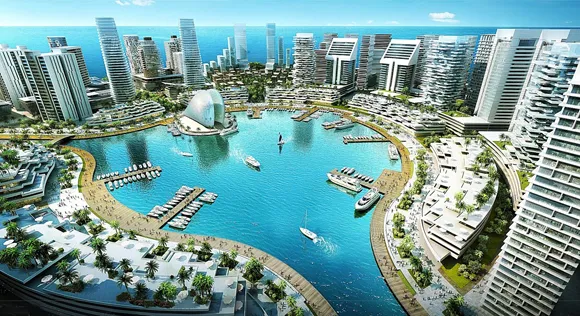
Lagos left a deep impression on me, albeit a challenging one. Walking through a busy market, I saw waste piled in the streets, with little sign of proper disposal. The air was thick with vehicle fumes, and water sources nearby looked murky and unclean. I spoke to a local who told me about the struggles they face with waste management and access to clean water—issues that many fast-growing cities in developing countries grapple with daily. It was a reminder that rapid urbanisation without proper planning can lead to environmental decline. Despite these difficulties, Lagos is full of energy and resilience, and I believe with better infrastructure, it could turn a corner towards sustainability.
Jakarta: Floods, Deforestation, and Climate Challenges
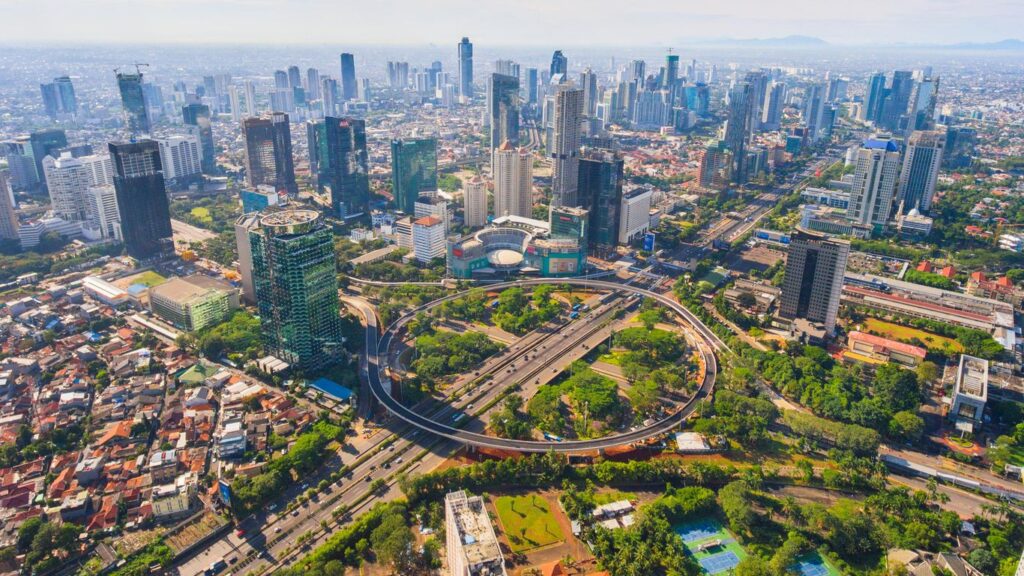
Jakarta was another eye-opener. After heavy rains, I watched the city flood in certain districts—homes and streets submerged in water. The city’s rapid expansion and poor drainage systems mean it’s fighting a losing battle against climate change, land subsidence, and deforestation. I visited a mangrove restoration project on the outskirts, where I learned how crucial these natural barriers are against flooding and coastal erosion. Sadly, ongoing deforestation and loss of mangroves have made the city more vulnerable. It’s a stark reminder of how environmental degradation can threaten urban life if not addressed urgently.
Cairo: The Heat and Pollution Challenge
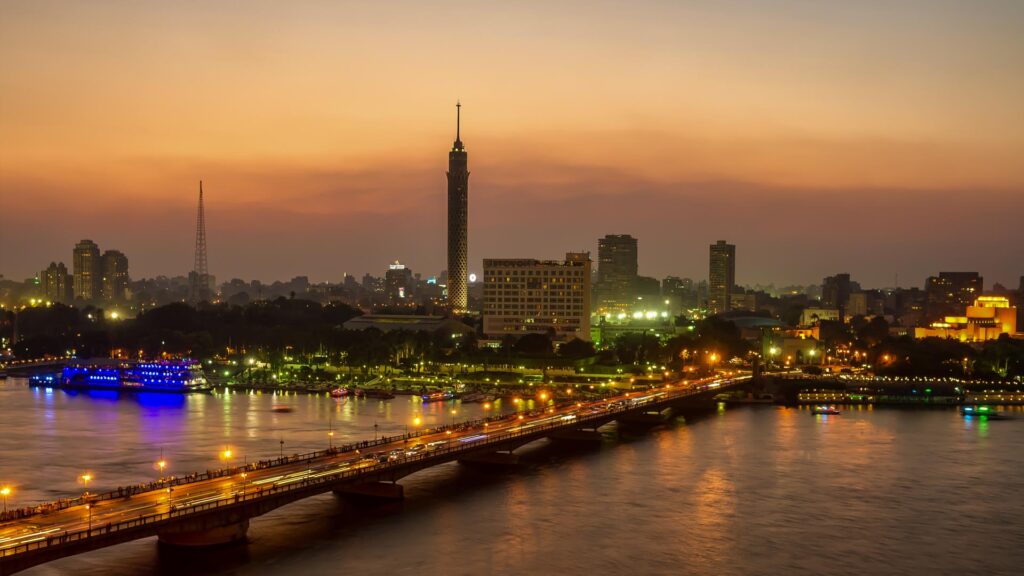
My last stop was Cairo, where I experienced intense heat and saw the city’s pollution levels firsthand. The air was thick with smoke from factories, and the streets were packed with cars emitting fumes. The city’s water shortages and pollution only compound the problem. Walking through the bustling streets, I felt the heat radiating from the concrete—and the limited green spaces made the urban heat island effect even worse. It was a vivid reminder of how climate and environmental issues are intertwined with urban life, especially in cities that depend heavily on outdated infrastructure and fossil fuels.
What Makes a City Truly Green?
From my travels and observations, I believe a truly sustainable city invests in renewable energy, creates green spaces that people can enjoy, and develops a transport system that reduces reliance on fossil fuels. It takes community effort, smart planning, and a long-term vision. Cities that are genuinely green foster resilience, support biodiversity, and improve the quality of life for their residents. Conversely, cities that face environmental crises often lack integrated planning, depend heavily on fossil fuels, and have limited green infrastructure—problems that threaten their future.
Seeing the contrast between these cities has reinforced my belief that sustainability isn’t just about technology or policies; it’s about making a conscious choice to respect and protect our environment. With enough vision and effort, I believe every city can be part of a healthier, greener planet.
Common Questions & Answers
Q: How do I identify the most sustainable cities?
A: Look at rankings like the Sustainable Cities Index by Arcadis or the ICLEI EcoMobility World Festival, which evaluate factors such as air quality, renewable energy use, green spaces, and transportation systems.
Q: What are key features of a truly green city?
A: Extensive parks and green spaces, renewable energy sources (solar, wind), low-emission transportation (bike lanes, electric transit), waste recycling programmes, and policies supporting sustainable development.
Q: Can a city be both economically prosperous and environmentally sustainable?
A: Yes. Cities like Copenhagen, Stockholm, and Vancouver demonstrate that economic growth and sustainability can coexist through innovation, green policies, and inclusive planning.
Q: What are the main challenges faced by the least green cities?
A: Rapid urban growth, lack of infrastructure investment, pollution, inadequate waste management, and limited political commitment to environmental reforms.
Q: How can residents contribute to making their city greener?
A: Use public transit, cycle or walk, reduce waste, participate in local environmental initiatives, and advocate for sustainable policies.
Q: Which organisations monitor and rank urban sustainability?
A: The United Nations Human Settlements Programme (Habitat), ICLEI – Local Governments for Sustainability, and the Sustainable Cities Institute.
Q: How can cities improve their environmental health?
A: Invest in renewable energy, expand green spaces, upgrade waste management, promote eco-friendly transport, and involve communities in sustainability efforts.
Got a question that hasn’t been answered? Contact us via the Contact Us page or email info@journeygems.co.uk
External References & Links
- Sustainable Cities Index (Arcadis) — City rankings and sustainability insights.
- ICLEI – Local Governments for Sustainability — Resources and case studies for urban sustainability.
- United Nations Habitat — Reports and initiatives on sustainable urban development.
- World Green Building Council — Promoting green building standards and policies.
- Environmental Performance Index (EPI) — Rankings on countries and cities based on environmental health and ecosystem vitality.
Final Thoughts
The stark contrast between the world’s greenest and least green cities highlights the importance of policy leadership, technological innovation, and community participation in urban sustainability. While cities like Copenhagen and Stockholm serve as inspiring models, many others face urgent environmental challenges that require coordinated global efforts. Supporting sustainable urban development is crucial for creating resilient, healthy, and equitable cities for future generations.
Disclaimer
This overview is for informational purposes only. City sustainability rankings and data are subject to change as cities implement new policies and initiatives. For the most current and detailed information, consult official city reports, sustainability indices, and reputable organisations such as the Sustainable Cities Institute, ICLEI, or the United Nations Human Settlements Programme. Neither the author nor the publisher accepts liability for inaccuracies or updates in city rankings or data.