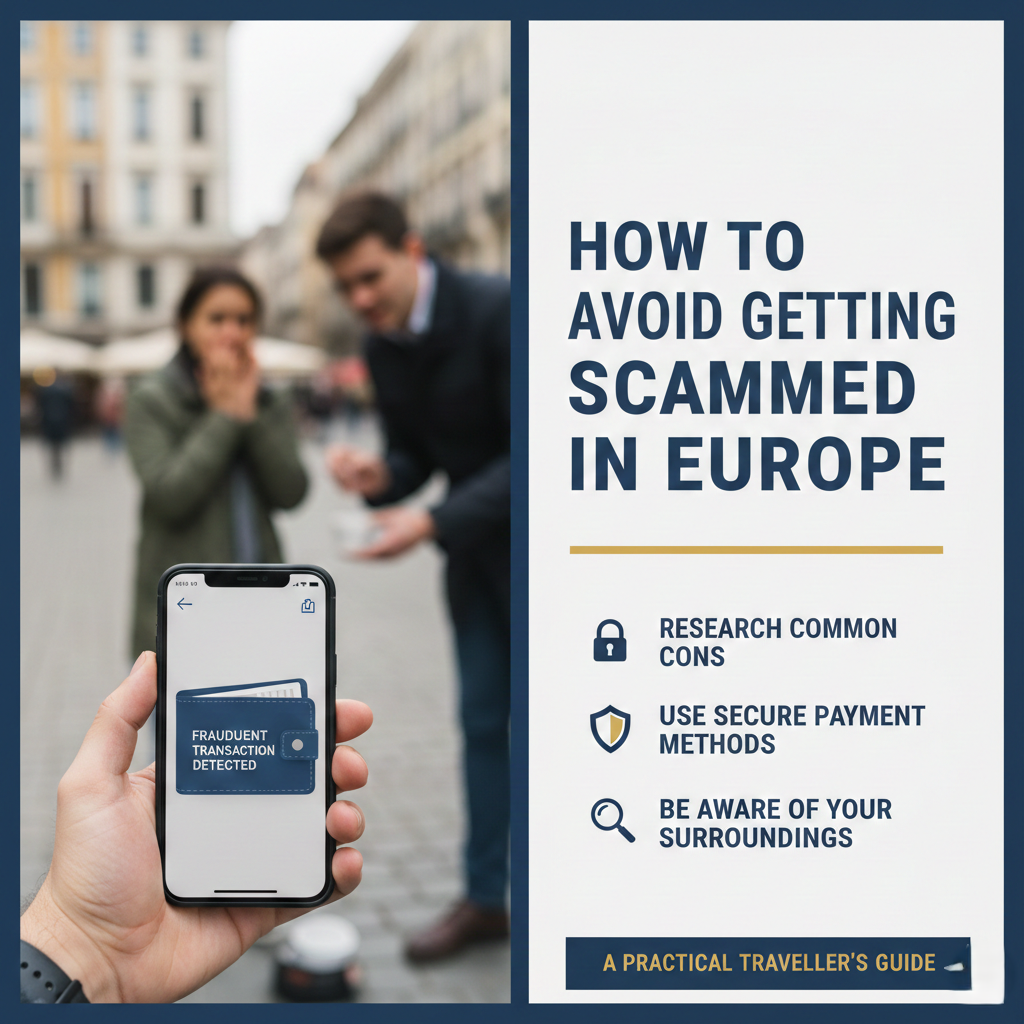
Europe is one of the most visited regions in the world, known for its historic cities, efficient transport, and rich cultural experiences. While most trips Europe is one of the most popular travel destinations in the world. Its historic cities, excellent transport links, and rich cultural tapestry draw millions of visitors every year. But, as with any busy tourist hotspots, there’s a flip side—scammers who target unsuspecting or distracted travelers. The good news? Most scams are predictable and avoidable. By understanding how they work and knowing what signs to watch out for, you can travel confidently and enjoy your trip without unnecessary stress.
In this guide, I’ll walk you through the most common scam patterns across Europe, highlight the cities where travelers should be extra alert, and share practical tips to keep you safe on your adventures.
Common Scam Patterns Across Europe
While scams can vary slightly from country to country, many follow similar tactics that are easy to spot once you know what to look for.
Pickpocketing remains the most widespread issue, especially in crowded spots like busy streets, train stations, and major attractions. I’ve seen it myself—groups of pickpockets often work in tandem: one distracts you by asking for directions, bumping into you, or creating a scene, while another deftly steals your wallet, phone, or bag. It’s sneaky but predictable once you’re aware.
Fake officials are another common scam. I’ve heard stories from friends who have been approached by someone claiming to be a police officer or customs inspector. They ask to check your ID or wallet, and if you’re not careful, they might convince you to hand over cash or valuables. Remember, real police officers will never ask tourists for money on the spot or request to see your passport in the street.
Street-based scams often involve fake petitions, charity collectors, or “free” items like bracelets or flowers. Suddenly, the vendor demands payment, or the item comes with a hidden fee. Counterfeit designer goods are also sold in some areas—be cautious if prices seem too good to be true.
Online scams are increasingly common. Fake websites offering discounted tickets, tours, or accommodation can look very professional. Always book through official platforms or trusted agents to avoid falling victim.
Cities and Areas Where Tourists Should Be Extra Alert
Most scams tend to concentrate in high-traffic tourist spots where scammers see more opportunities. That said, it doesn’t mean these places are unsafe—millions visit without trouble—but a little vigilance goes a long way.
In Paris, particularly around the Eiffel Tower and major metro stations, pickpocketing is rampant. I always keep my bag close and avoid flashing expensive gadgets.
In Barcelona, busy streets and beaches attract scammers working in groups—so stay alert while enjoying the sun and sights.
Rome, with its iconic landmarks and transport hubs, also sees a fair share of scams. Be extra cautious in crowded piazzas and avoid giving money to street performers or vendors who approach you unexpectedly.
Amsterdam’s central areas, especially around popular museums and the canals, are hotspots for pickpocketing and street scams.
And in Prague, Kraków, and Budapest, tourist zones and nightlife districts are where scammers often operate. Keep your belongings secure, and be wary of overly friendly strangers offering unsolicited help or deals.
Common Scam Types Travelers Encounter
One of the most common tactics is distraction thefts. Someone might spill a drink, drop something near you, or suddenly ask for help—while your attention is diverted, an accomplice snatches your belongings.
Fake police checks are another typical scam. Scammers dressed in uniforms or badges claim to need to inspect your documents or wallets. If in doubt, always ask to go to the nearest police station—they usually leave immediately when you request this.
Overfriendly strangers may approach you offering to take your photo, guide you to attractions, or help with directions—only to ask for money afterward, often aggressively.
Fake tickets or tours are also a concern. Near major attractions, you might be approached by unofficial vendors selling “last-minute deals” that turn out to be invalid or scams.
Practical Tips to Stay Safe While Traveling
The best way to avoid falling for scams is to stay alert and prepared. Keep valuables in zipped bags or money belts, and avoid keeping phones or wallets in back pockets. When approached by strangers, remain cautious and don’t hand over passports or cash unless you are certain the request is legitimate.
Use official transport counters, ticket machines, and trusted tour providers. Always agree on prices before accepting any service, and book accommodation, tours, and tickets through reputable platforms.
If you’re unsure about a situation or someone’s identity, don’t hesitate to walk away and seek help from official sources. Remember: your embassy or consulate can provide guidance if you’re a victim of crime.
Stay Informed
Always check your country’s official travel advisories, as well as the local tourism websites of the country you’re visiting. These sources are updated regularly and can give you the latest safety tips, common scams to watch out for, and emergency contacts.
Additional Questions and Tips
What’s the safest way to carry money in Europe?
Use a combination of cash for small purchases and cards for larger ones. Keep cash in a zipped purse or money belt, and avoid carrying everything in one place.
How should I respond if I think I’m being targeted?
Stay calm, keep your belongings close, and politely but firmly decline. Walk away calmly and seek help if needed.
Are there specific scams to watch out for in certain countries?
Yes. For example, in Italy, beware of “fake monks” asking for donations, while in Spain, some street performers may try to distract you while accomplices pick your pockets.
Can I trust taxi or ride-share services?
Always use official taxis or reputable ride-sharing apps to avoid scams or overcharging.
What should I do if I get scammed?
Report the incident to local police and your embassy if necessary. Contact your bank immediately if your cards are involved, and keep a record of what happened.
Final Thoughts
Most travelers visit Europe without any issues, and the scams I’ve described rely on distraction, quick thinking, and a lack of awareness. Staying vigilant, trusting your instincts, and using reputable services will drastically cut your risk. Remember, a confident traveler exudes awareness, and scammers are less likely to target someone who looks alert and prepared.
Travel is about discovery and enjoyment—don’t let the fear of scams overshadow your experience. With a little knowledge and common sense, you can explore Europe safely, immerse yourself in its rich history, culture, and beauty—and return home with fantastic memories, not regrets.
Happy travels, and stay safe out there!