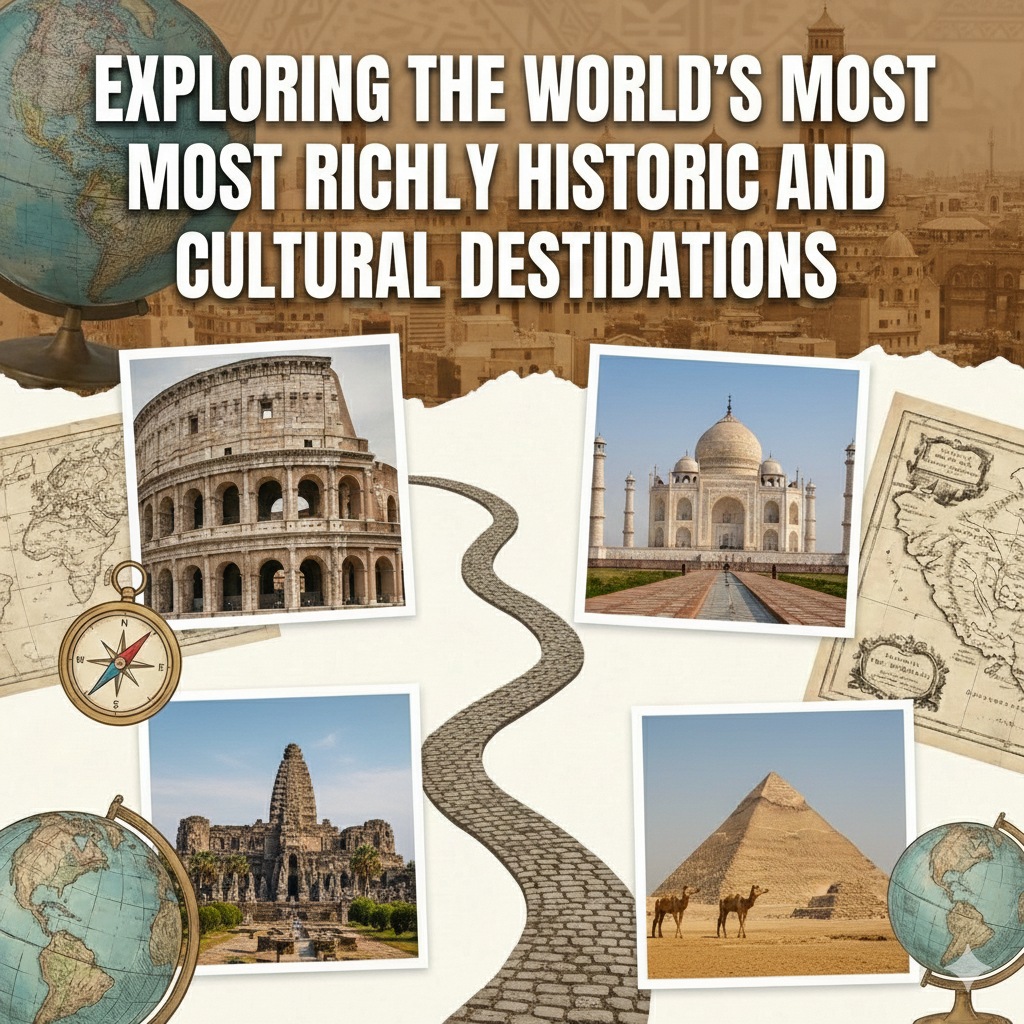
Traveling through historic and cultural destinations is about more than just ticking off sights — it’s about stepping into the stories that have shaped humanity. Imagine wandering through ancient cities, exploring sacred temples, wandering royal palaces, and discovering archaeological wonders that whisper the secrets of how civilizations once lived, ruled, worshipped, and created. These places are like living museums, offering a glimpse into the past that is both awe-inspiring and humbling.
From Europe’s grand classical capitals to Asia’s spiritual centres and Africa’s ancient kingdoms, these destinations are the foundation stones of our modern world. They remind us of our shared history, our diverse traditions, and the incredible human spirit that has built and preserved these sites over thousands of years.
In the sections that follow, I’ll take you on an in-depth journey through some of the most historically significant regions on Earth. I’ll share practical travel tips, suggested itineraries, and cultural guidance to help you explore responsibly and respectfully. Whether you’re a history buff, a curious traveller, or someone looking to connect more deeply with the world’s rich heritage, these insights will help you make meaningful connections and create unforgettable memories. Traveling through history isn’t just about seeing; it’s about understanding, respecting, and honouring the stories that have shaped us all.
Italy: Rome, Florence, and Venice — The Heart of Western Civilisation
Italy is one of the world’s most culturally dense countries, recognised by UNESCO for having more World Heritage Sites than any other nation.
Rome
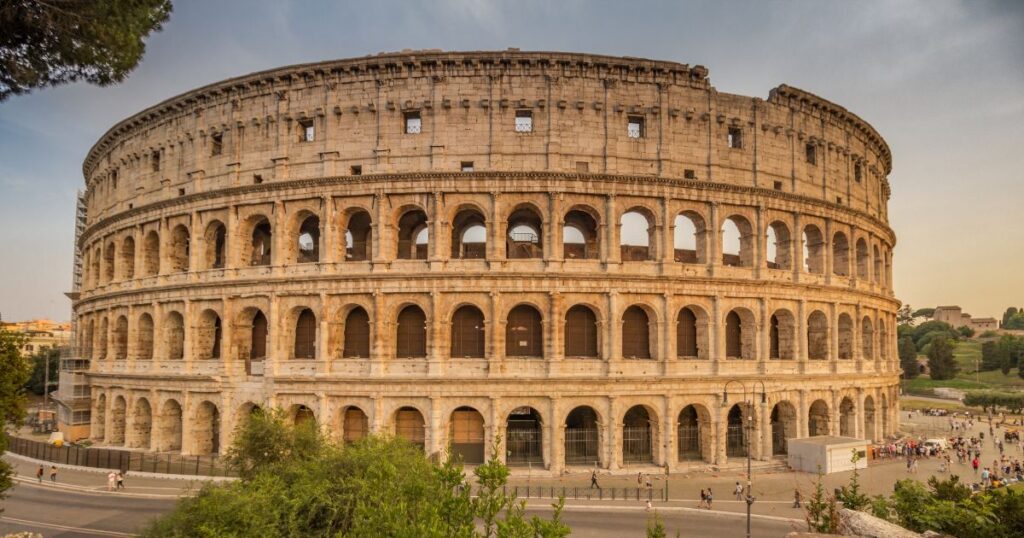
Rome, affectionately known as the Eternal City, is a place where history breathes life into every corner. Once the heart of the mighty Roman Empire, today it stands as a living museum—an open-air testament to human ingenuity and timeless beauty. Walking through Rome, you can’t help but feel transported back in time as you marvel at iconic landmarks like the Colosseum, the Roman Forum, and Palatine Hill. These ancient sites reveal the grandeur of Roman engineering, the intricacies of political life, and the vibrant social fabric of one of history’s greatest civilizations.
A visit to Rome isn’t complete without exploring Vatican City, an independent state nestled within the city. It’s a spiritual and artistic treasure trove, home to St. Peter’s Basilica, the Vatican Museums, and the Sistine Chapel. Standing beneath Michelangelo’s breathtaking ceiling in the Sistine Chapel, you’re reminded of the incredible talent and devotion that have shaped this tiny city-state into one of the world’s most important religious and cultural centres.
Rome’s streets are a captivating blend of ancient ruins, lively piazzas, and vibrant cafes. Whether you’re wandering through history or soaking up the lively atmosphere of its modern life, Rome offers a timeless experience rooted in the stories of centuries past. It’s a city that invites you to explore, reflect, and marvel at the enduring legacy of human achievement.
Florence
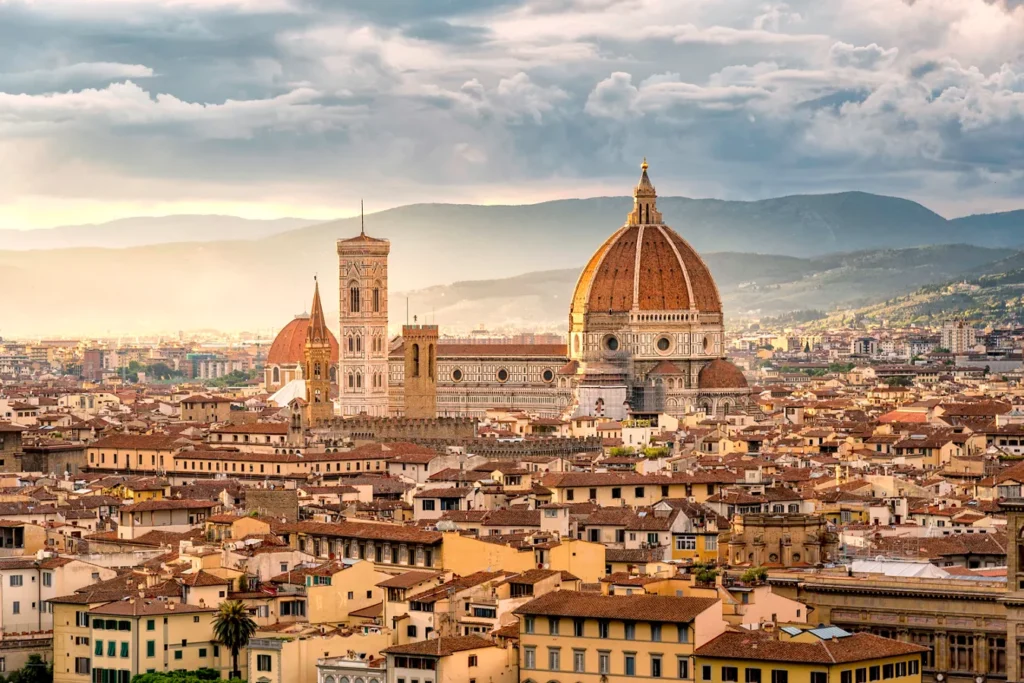
Florence, for me, is the heart of the Renaissance — a city that feels like stepping into a living museum of art, history, and innovation. It’s where the modern world’s cultural foundations were laid, and wandering through its streets, I couldn’t help but feel inspired by the genius that once thrived here. One of my favourite moments was standing beneath Brunelleschi’s Dome, marveling at its breathtaking design. To think that this architectural milestone was built over 600 years ago, without the modern tools we have today, left me in awe of the craftsmanship and vision of the Renaissance masters.
The Uffizi Gallery was another highlight. As I moved through its halls, I was surrounded by masterpieces by Michelangelo, Botticelli, and Leonardo da Vinci. Seeing Botticelli’s Birth of Venus up close was a surreal experience — the delicate brushwork and vibrant colours seemed to breathe on the canvas. It made me realise how art from this period continues to influence and inspire us centuries later.
Walking through Florence’s narrow cobbled streets, I felt a deep connection to the past — a city that was both a cradle of artistic brilliance and a hub of cultural change. Every corner, every building seemed to tell a story of innovation, beauty, and human achievement. For anyone passionate about art and history, Florence isn’t just a destination; it’s a place to be immersed in the very spirit of the Renaissance. It’s a city that awakens your creativity and leaves you with a sense of wonder that stays long after you leave.
Venice
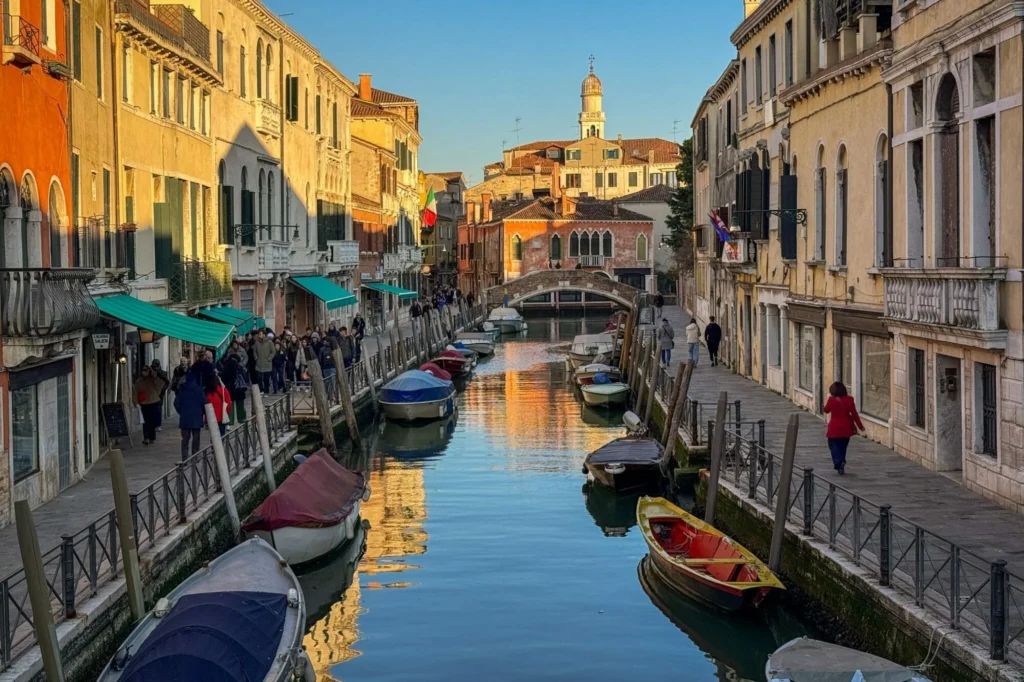
Venice, for me, is like stepping into a dream — a city built across shimmering lagoons that once symbolised medieval maritime power and prosperity. As I wandered through its labyrinth of narrow streets and shimmering canals, I couldn’t help but feel transported to a time when Venice ruled the seas with elegance and ambition. The moment I laid eyes on St. Mark’s Basilica, with its intricate mosaics and golden domes, I was struck by its grandeur — a true masterpiece of Byzantine architecture that tells stories of faith and artistry.
Crossing the Grand Canal on a vaporetto, I felt like I was gliding through history itself. The palaces lining the waterway, especially the Doge’s Palace, showcased the city’s political and artistic influence. Walking through its ornate halls and courtyards, I imagined the power struggles and cultural exchanges that once took place within those walls.
Venice isn’t just a city of stunning architecture; it’s a living testament to centuries of commerce, diplomacy, and creative achievement. Its unique beauty, with gondolas gliding silently past centuries-old buildings, leaves an indelible impression. Visiting Venice is like stepping into a floating museum — a place where every corner holds a story of maritime glory and artistic innovation. It’s a city that captures your imagination and stays with you long after you leave its enchanting waters.
Official heritage oversight: Italian Ministry of Culture, UNESCO
Egypt: Cairo, Luxor, and Alexandria — Legacy of the Pharaohs
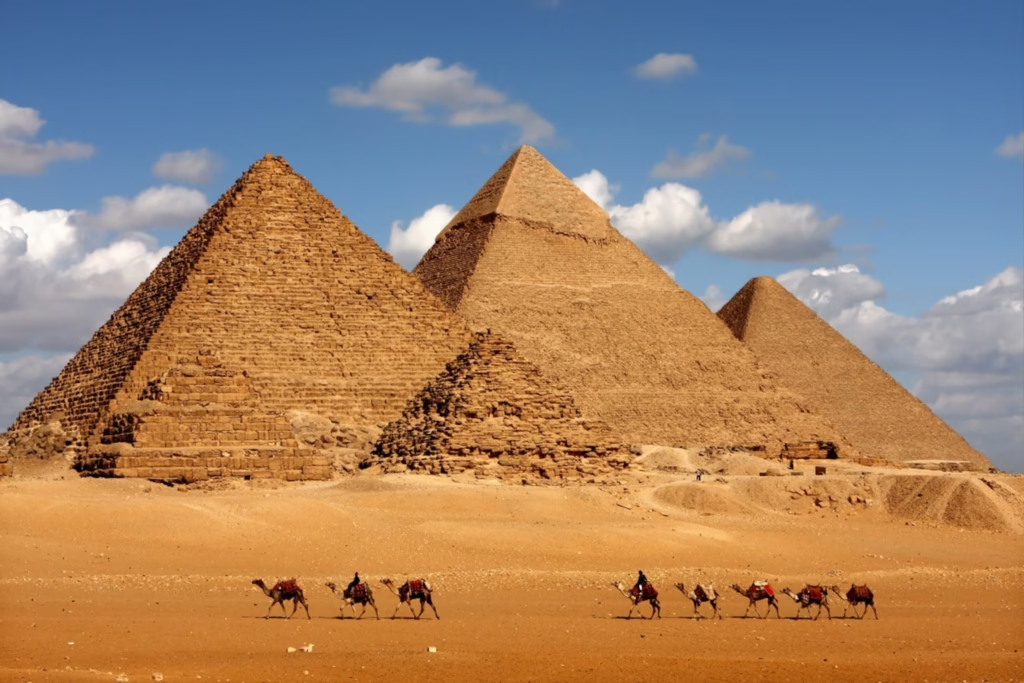
Egypt’s monuments are like echoes from the dawn of civilisation, standing as some of the oldest and most awe-inspiring structures in human history. Visiting Egypt felt like stepping back thousands of years into a world of kings, pyramids, and mysterious rituals that continue to fascinate us today.
One of my most unforgettable experiences was standing at the Giza Plateau, gazing up at the Great Pyramid of Khufu. It’s mind-boggling to think that this towering wonder, built over 4,500 years ago, was the last remaining of the original Seven Wonders of the Ancient World. Walking around it, I felt a profound sense of connection to the ingenuity and ambition of the ancient Egyptians, knowing that millions of stones were carefully placed to create something so enduring.
In Cairo, I explored the Egyptian Museum, which is a treasure trove of history. As I wandered through its halls, I saw countless artefacts spanning millennia — from intricate jewellery to the gilded masks of pharaohs. The sight of the royal mummies, carefully preserved, was both fascinating and humbling — a reminder of a civilisation obsessed with the afterlife and eternity.
Further south in Luxor, I visited the Valley of the Kings and the Karnak Temple Complex. Walking through these vast sites, I could almost hear the echoes of ancient rituals and royal decrees. The grandeur of the temples and the tombs of the pharaohs made me appreciate the power and faith that shaped Egypt’s history.
And in Alexandria, I was struck by the city’s unique blend of Egyptian and Hellenistic influences. Once home to the legendary Great Library, Alexandria was a hub of knowledge and culture in antiquity. Today, it still holds that spirit of curiosity and discovery.
Egypt’s monuments are more than just stone and sand — they’re living symbols of human achievement, mystery, and legacy. Exploring them felt like uncovering the stories of a civilisation that continues to captivate the world.
Cultural authority: Egyptian Ministry of Tourism & Antiquities
Greece: Athens, Delphi, and Meteora — Foundations of Philosophy and Democracy
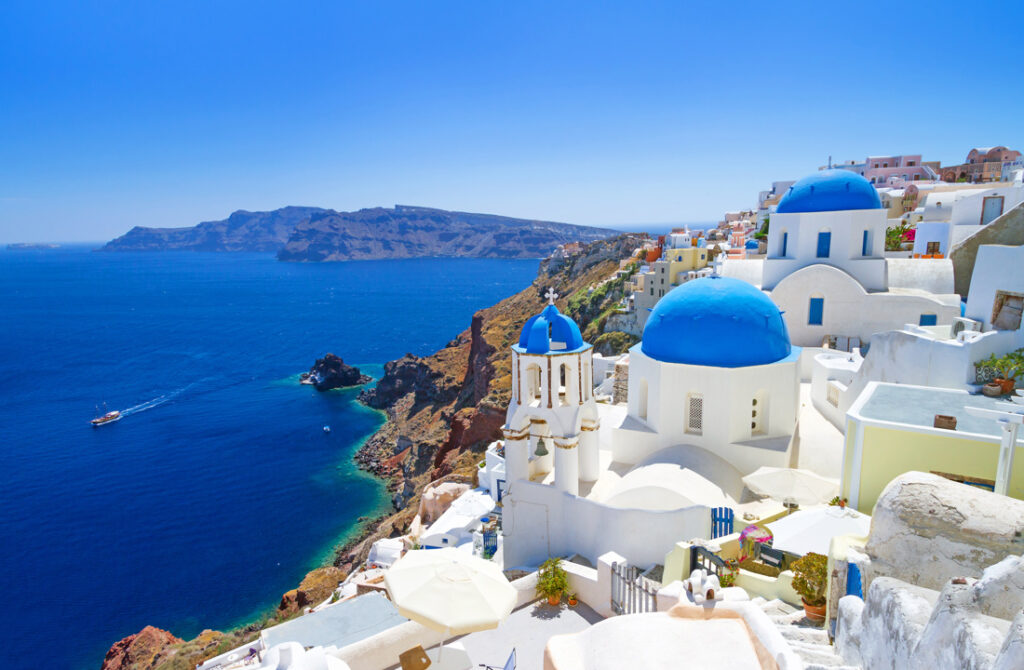
Greece is the cradle of Western civilisation, a land that has profoundly influenced our ideas of democracy, philosophy, art, and architecture. Visiting Greece felt like stepping into the very foundations of Western culture, where ancient traditions and breathtaking landscapes intertwine to create a timeless experience.
One of my most memorable moments was standing atop the Acropolis in Athens, gazing up at the Parthenon. The sheer scale and beauty of this ancient temple, dedicated to Athena, left me in awe. It’s a symbol of classical civilisation’s achievements in art, architecture, and thought — a place where ideas about democracy and philosophy first took root. Walking through the ruins, I felt connected to the thinkers and builders of thousands of years ago.
Further afield, I visited Delphi, once considered the centre of the world by ancient Greeks. The site’s mystical atmosphere is hard to describe — cradled in the mountains, with the ruins of the Temple of Apollo overlooking the landscape. I stood where the Oracle once delivered prophecies, feeling a deep sense of history and spirituality. It’s a place that invites reflection on how ancient cultures sought guidance and meaning.
Another unforgettable experience was exploring Meteora, where medieval monasteries are perched precariously atop towering rock pillars. Climbing up to these monasteries, I was struck by how faith, geology, and human ingenuity come together in perfect harmony. The views from these sites are simply spectacular, offering a glimpse into the spiritual life of monks who sought solitude and enlightenment amid dramatic natural beauty.
Greece’s rich history and stunning landscapes continue to inspire and captivate visitors. It’s a place where the echoes of ancient Greece still resonate, reminding us of the enduring power of ideas, faith, and art.
Cultural protection: Hellenic Ministry of Culture, UNESCO
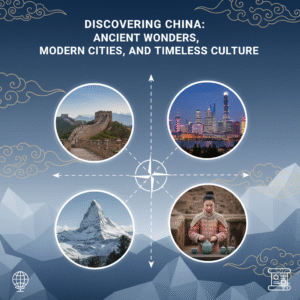
China: Beijing, Xi’an, and Luoyang — Dynasties and Ancient Empires
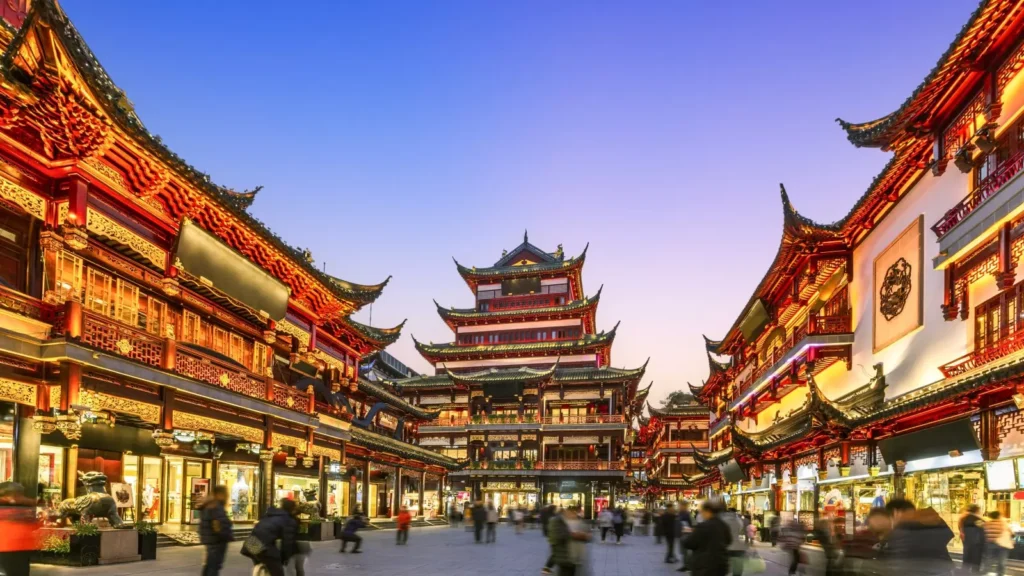
China’s history is a remarkable tapestry stretching back over 4,000 years, full of incredible achievements, cultural richness, and fascinating stories. Visiting China feels like walking through a living history book, where every site reveals a different chapter of a civilisation that has shaped East Asia and the world.
One of my earliest memories of China was exploring the Forbidden City in Beijing. Stepping inside this colossal imperial palace complex, I was overwhelmed by its grandeur — the sprawling courtyards, intricate architecture, and countless halls used by emperors for centuries. It’s the largest ancient palace complex in the world, a true symbol of China’s imperial power and cultural sophistication. Walking through its historic grounds, I felt like I was stepping into the heart of a dynasty that influenced history far beyond its borders.
Not far from Beijing is the Great Wall, an astonishing feat of engineering that stretches across mountains and deserts. I remember hiking along a section near Badaling, taking in the sweeping views and marveling at the wall’s incredible scale. Built over centuries for defence, the Wall is more than just stone and brick — it’s a symbol of resilience and ingenuity that has protected China for thousands of years.
In Xi’an, I visited the site of the Terracotta Army, where thousands of life-sized sculptures of soldiers, horses, and chariots stand guard over the tomb of China’s first emperor, Qin Shi Huang. Seeing these figures up close was surreal — each one uniquely crafted, a testament to ancient craftsmanship and military organisation.
Finally, in Luoyang, I explored the Longmen Grottoes, home to tens of thousands of Buddhist sculptures carved into cliffs over centuries. The artistry and spiritual significance of these carvings are breathtaking, offering a glimpse into China’s deep religious and cultural history.
China’s ancient sites are windows into a civilisation that continues to inspire, innovate, and evolve. Exploring these places, I was reminded of the incredible human stories that have shaped the nation’s identity over millennia.
Cultural authority: National Cultural Heritage Administration of China
India: Delhi, Varanasi, and Jaipur — Spiritual and Architectural Diversity
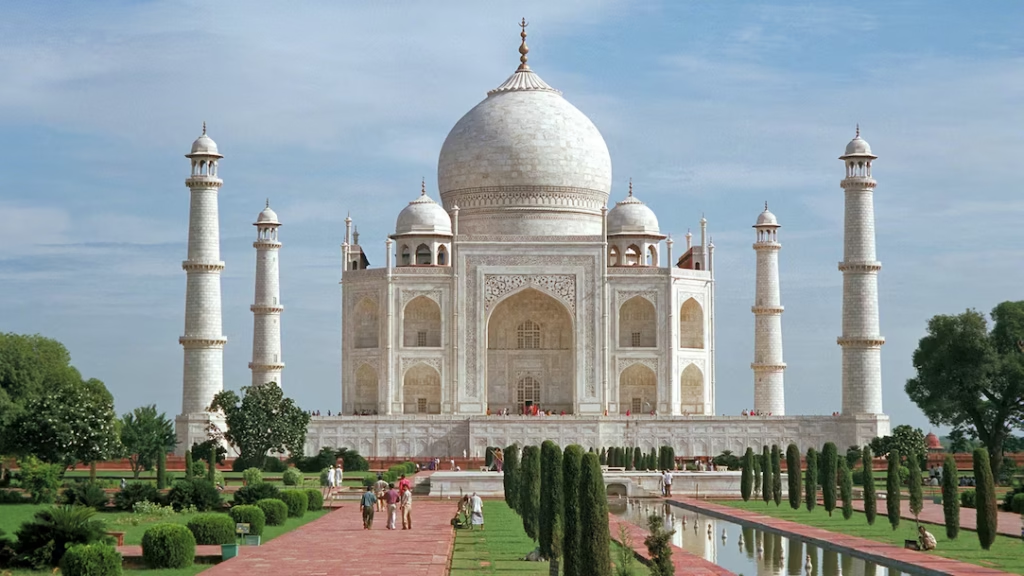
India’s rich cultural heritage is like a vibrant tapestry woven from countless threads — a blend of religions, empires, and philosophies that have shaped the subcontinent for thousands of years. Visiting India feels like immersing yourself in a living history, where every city, monument, and site tells a story of spiritual devotion, royal grandeur, and artistic mastery.
One of my most memorable experiences was exploring Delhi, a city where history and grandeur collide. Walking through the Red Fort, I was awestruck by the imposing Mughal architecture — intricate stonework, massive walls, and lush gardens that echo the splendour of a bygone era. Nearby, the Qutub Minar soared into the sky, its towering minaret a symbol of Islamic architectural brilliance and the city’s diverse history.
In Varanasi, I found myself in one of the oldest continuously inhabited cities in the world. Watching the pilgrims perform rituals along the ghats of the Ganges at sunrise was a deeply moving experience. The city’s spiritual energy is palpable — a place where life, death, and faith intertwine in a dance as old as time itself.
Further west, Jaipur offered a glimpse into royal Rajput architecture. The Amber Fort’s majestic hilltop presence, with its intricate courtyards and opulent halls, transported me to a world of regal splendour. The City Palace, with its blend of Rajasthani and Mughal styles, showcased India’s artistic richness and cultural diversity.
Venturing into the caves of Ajanta and Ellora, I was mesmerised by the rock-cut temples and monasteries. These masterpieces of Buddhist, Hindu, and Jain art, carved into cliffs over centuries, depict divine stories, intricate sculptures, and spiritual teachings. They are a testament to India’s spiritual depth and artistic ingenuity.
India’s cultural heritage is a testament to its enduring spirit — a land where history, faith, and art continue to thrive, inspiring all who visit to reflect on the profound stories that have shaped this incredible nation.
Cultural authority: Archaeological Survey of India, UNESCO
Cambodia: Angkor Wat and Angkor Thom — Khmer Empire Masterpieces
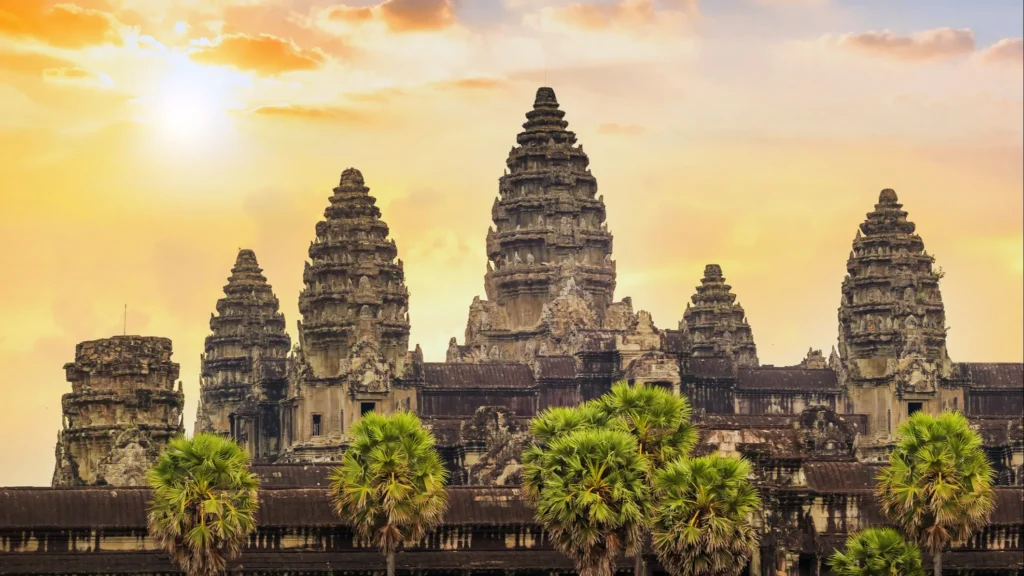
Angkor Wat stands as the largest religious monument on Earth, and for Cambodia, it’s much more than just a temple — it’s a powerful symbol of national pride and identity. Visiting this awe-inspiring site felt like stepping into a world of ancient grandeur, where every stone tells a story of spiritual devotion and architectural brilliance. The intricate bas-reliefs and soaring towers left me mesmerised, reminding me of the Khmer Empire’s incredible craftsmanship and religious fervour.
Just a short distance away, I explored Angkor Thom, the ancient capital built by the Khmer kings. Its grand walls and gates reveal sophisticated urban planning that was ahead of its time. The Bayon Temple, with its iconic stone faces gazing serenely from every corner, exemplifies the deep spiritual symbolism that was central to Khmer culture. Walking among these incredible structures, I was struck by how the Khmer architects combined artistry with spiritual meaning — creating monuments that were both awe-inspiring and deeply symbolic.
Seeing Angkor Wat and its neighbouring sites was like witnessing the legacy of a civilisation that mastered not just architecture and engineering, but also complex religious and cultural ideas. It’s a place where history and spirituality come alive, inviting visitors to reflect on Cambodia’s rich past and enduring spirit.
Cultural protection: APSARA National Authority, UNESCO
Mexico: Mexico City, Teotihuacan, and Chichén Itzá — Mesoamerican Civilisations
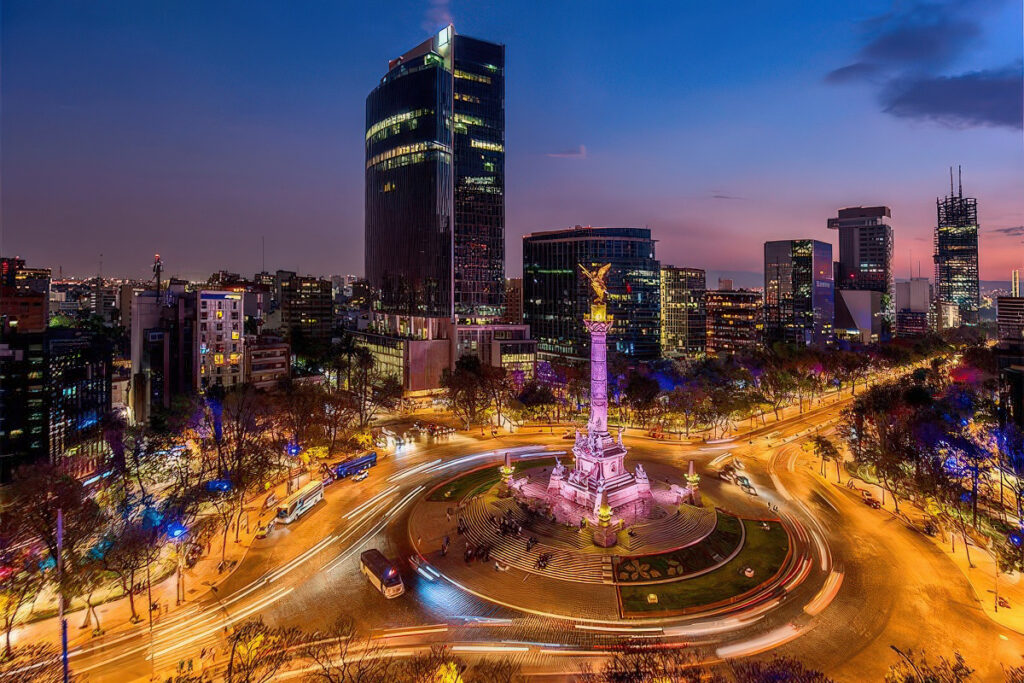
Mexico City is a fascinating mosaic of history and culture, built atop the ancient Aztec city of Tenochtitlán. Walking through its bustling streets, I could sense the layers of history — where indigenous traditions seamlessly blend with colonial influences. Visiting the Templo Mayor archaeological site and the nearby historic centre, I was struck by how the city embodies a living testament to Mexico’s rich, diverse heritage. It’s a place where the past and present coexist in vibrant harmony.
Not far from the city, I explored Teotihuacan, an awe-inspiring site known for its massive pyramids. The Pyramid of the Sun and Pyramid of the Moon are aligned with celestial events, reflecting the advanced astronomical knowledge of the ancient builders. Climbing to the top of these structures, I was amazed by how they served both as religious temples and cosmic calendars — a powerful reminder of the sophisticated worldview of the Teotihuacan civilisation.
Further south, I visited Chichén Itzá, a renowned Mayan archaeological site that once served as a key centre for astronomy, religion, and ceremonies. The iconic El Castillo pyramid, with its precise astronomical alignments, continues to captivate visitors today. Watching the play of sunlight and shadow on its steps during the equinox was a truly magical moment, revealing the Mayans’ deep understanding of celestial cycles. These sites, each incredible in their own right, tell stories of ancient peoples who mastered architecture, astronomy, and spirituality. Exploring them felt like uncovering the secrets of a civilisation that continues to inspire awe and wonder centuries later.
Cultural authority: Instituto Nacional de Antropología e Historia (INAH)
Japan: Kyoto, Nara, and Hiroshima — Tradition, Spirituality, and Reflection
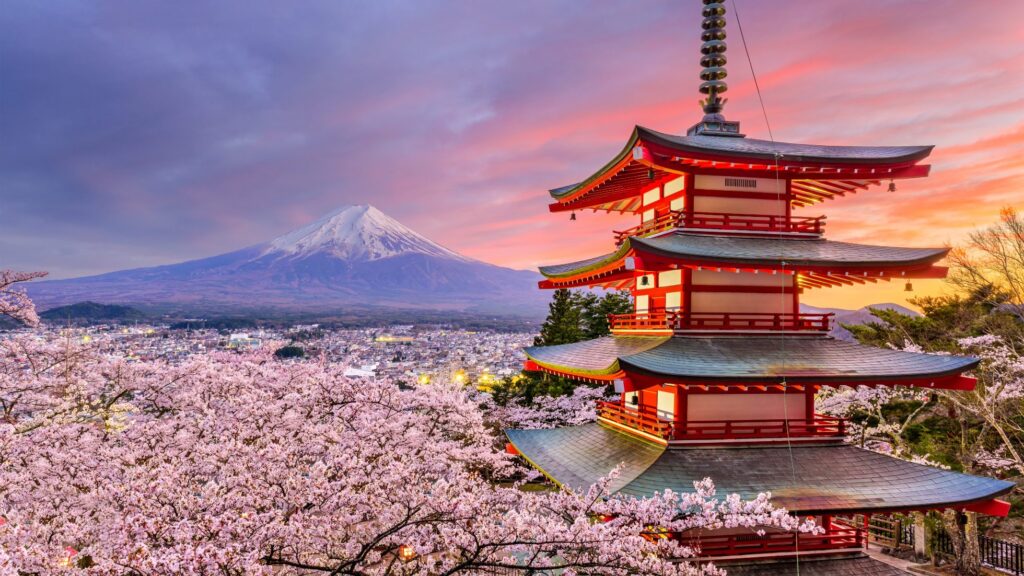
Kyoto is a city where Japan’s imperial history and cultural traditions are beautifully preserved. Strolling through its ancient temples, serene shrines, and traditional tea houses, I felt transported to a time when artistry and spirituality flourished. Visiting iconic sites like Kinkaku-ji (the Golden Pavilion) and Fushimi Inari Shrine, with its thousands of vibrant torii gates, left me in awe of Kyoto’s timeless beauty and spiritual depth. The city’s quiet elegance and rich heritage make it a living museum of imperial Japan’s legacy.
Nearby, Nara offers another glimpse into Japan’s ancient past. The Great Buddha at Todai-ji, one of the largest bronze statues in the world, is breathtakingly majestic. Walking around Nara Park, where friendly deer roam freely, I experienced a sense of harmony between nature and spirituality that has endured for centuries. The city’s historical treasures tell stories of Buddhist artistry and cultural exchange that shaped Japan’s religious landscape.
Hiroshima, on the other hand, is a city of resilience and hope. The Peace Memorial Park stands as a poignant reminder of the tragic impact of nuclear warfare, with the Atomic Bomb Dome symbolising the city’s suffering and resolve for peace. Visiting the park and museum was a moving experience — a solemn reflection on the past and a powerful call for a future without war. Hiroshima’s transformation from destruction to a beacon of peace inspires visitors worldwide.
Each of these places — Kyoto’s spiritual serenity, Nara’s majestic history, and Hiroshima’s heartfelt message of peace — embodies different facets of Japan’s enduring spirit and profound cultural legacy.
Cultural authority: Agency for Cultural Affairs, Japan
South Africa: Cape Town, Robben Island, and Mapungubwe — Heritage of Humanity
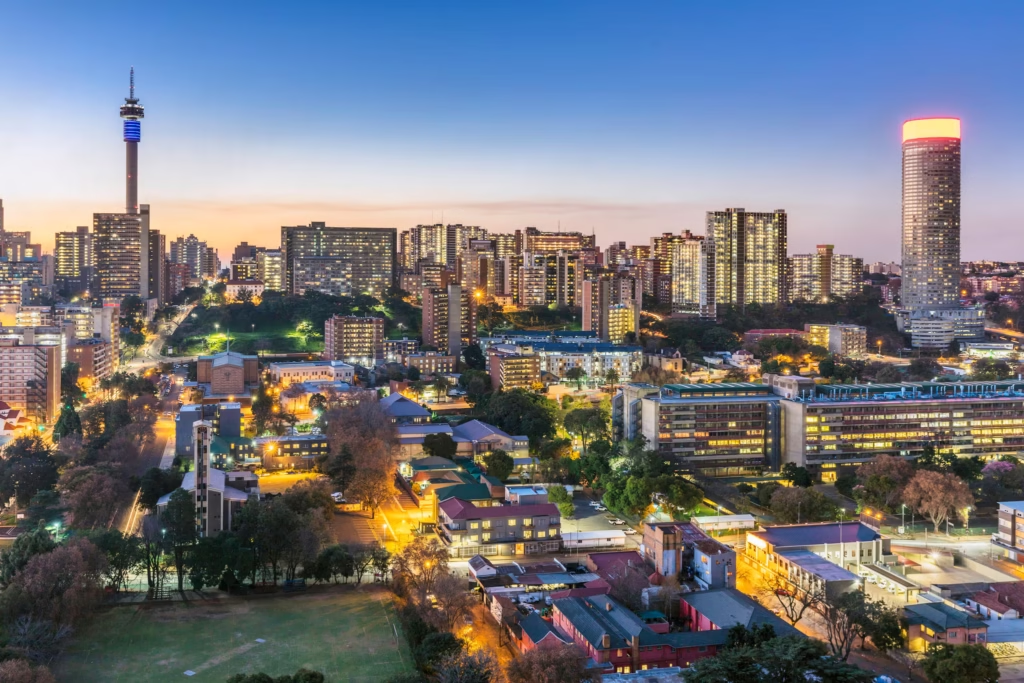
Robben Island stands as a powerful symbol of resilience and the fight for freedom in South Africa’s history. Visiting the island, where Nelson Mandela and many other anti-apartheid activists were imprisoned, I felt a deep sense of respect and reflection. The guided tour, often led by former inmates, brought to life stories of courage, sacrifice, and hope. Robben Island’s legacy reminds us of the enduring struggle against injustice and the importance of perseverance in the pursuit of equality.
In Cape Town, the District Six Museum offers a poignant look into a community torn apart by apartheid-era forced removals. Walking through the exhibits and hearing personal stories, I gained insight into the pain and resilience of residents displaced from their homes. The museum stands as a testament to the human cost of segregation and a reminder of the ongoing fight for justice and reconciliation.
Further north, I explored Mapungubwe, an ancient African kingdom that thrived over a thousand years ago. Its archaeological site revealed impressive remains of early gold trade and sophisticated social organisation. Standing atop the ancient hill, I was struck by how this early kingdom exemplified Africa’s rich history of trade, culture, and innovation long before colonial times. Mapungubwe’s legacy highlights Africa’s deep roots of civilisation and its vital role in regional networks of commerce and society.
Together, these sites tell stories of struggle, resilience, and early sophistication — showcasing the diverse and profound history of Africa and its ongoing journey towards justice and identity.
Cultural protection: South African Heritage Resources Agency
Frequently Asked Questions
Which destinations are best for history lovers?
Rome, Athens, Cairo, Kyoto, Beijing, and Jerusalem consistently rank among the most historically layered cities.
What are the world’s largest religious monuments?
Angkor Wat, the Great Pyramids, Borobudur, and the Golden Temple are among the most monumental.
Are lesser-known sites worth visiting?
Yes—sites like Hampi (India), Lalibela (Ethiopia), and Carthage (Tunisia) offer profound historical value with fewer crowds.
Q: What should I consider when planning a history-focused trip?
A: Research key historical sites, understand their significance, check opening hours, and consider guided tours for deeper insights. Also, plan for comfortable clothing and footwear, and learn some background about the locations beforehand.
Q: Are guided tours necessary for historical sites?
A: Guided tours can enrich your experience by providing context and stories behind the sites. However, self-guided visits are also rewarding if you prefer exploring at your own pace.
Q: How can I make the most of my visit to ancient ruins or historical monuments?
A: Arrive early to avoid crowds, take your time to explore different areas, read informational plaques, and consider hiring a guide or audio tour for detailed insights.
Q: What are some must-visit historical sites in Europe?
A: Popular sites include the Colosseum in Rome, the Acropolis in Athens, the Palace of Versailles in France, Tower of London, and Machu Picchu in Peru.
Q: How do I prepare for a trip to culturally sensitive or sacred sites?
A: Dress respectfully, follow the site’s rules, avoid disruptive behaviour, and learn about local customs to show respect.
Q: Can I visit historical sites year-round?
A: Most sites are open year-round, but check seasonal closures or weather conditions, especially for outdoor sites like ruins or archaeological parks.
Q: Are there any safety tips for exploring historical sites?
A: Stay on designated paths, watch your step on uneven surfaces, stay hydrated, and follow safety guidelines provided at each site.
Q: How can I learn more about the history of the places I visit?
A: Read guidebooks, watch documentaries beforehand, join guided tours, and visit museums or visitor centres for additional context.
Q: What should I pack for a history trip?
A: Comfortable walking shoes, a camera, a notebook for notes, sun protection, water, and any necessary travel documents or tickets.
Q: How important is local culture and language during a history trip?
A: Very important — it enhances your experience, helps you connect with locals, and shows respect for their heritage. Learning basic phrases and customs can be very helpful.
Responsible Travel Tips for Historic Sites
- Book tickets in advance for protected sites
- Dress modestly in religious locations
- Follow preservation rules, do not touch or climb ruins
- Use licensed guides for accurate historical context
- Respect that many sites remain active places of worship
Final Thoughts
Exploring historic and cultural destinations connects us with humanity’s shared past, our creativity, beliefs, resilience, and achievements. These places are not only reminders of where we come from, but responsibilities we share to protect and preserve them for future generations.
Content Disclaimer
This article is written for informational purposes based on research, publicly available data, and original structuring. We aim to provide accurate and helpful travel guidance. Images used are royalty-free or belong to their respective owners.