Travelling to explore religion and culture isn’t about ticking off famous landmarks. It’s about understanding how belief systems shape architecture, food, dress, time, and even how people greet each other.
This guide goes beyond “top attractions” and focuses on what travellers actually need to know before visiting culturally and religiously significant destinations, including etiquette, hidden context, timing strategy, crowd psychology, and practical preparation.
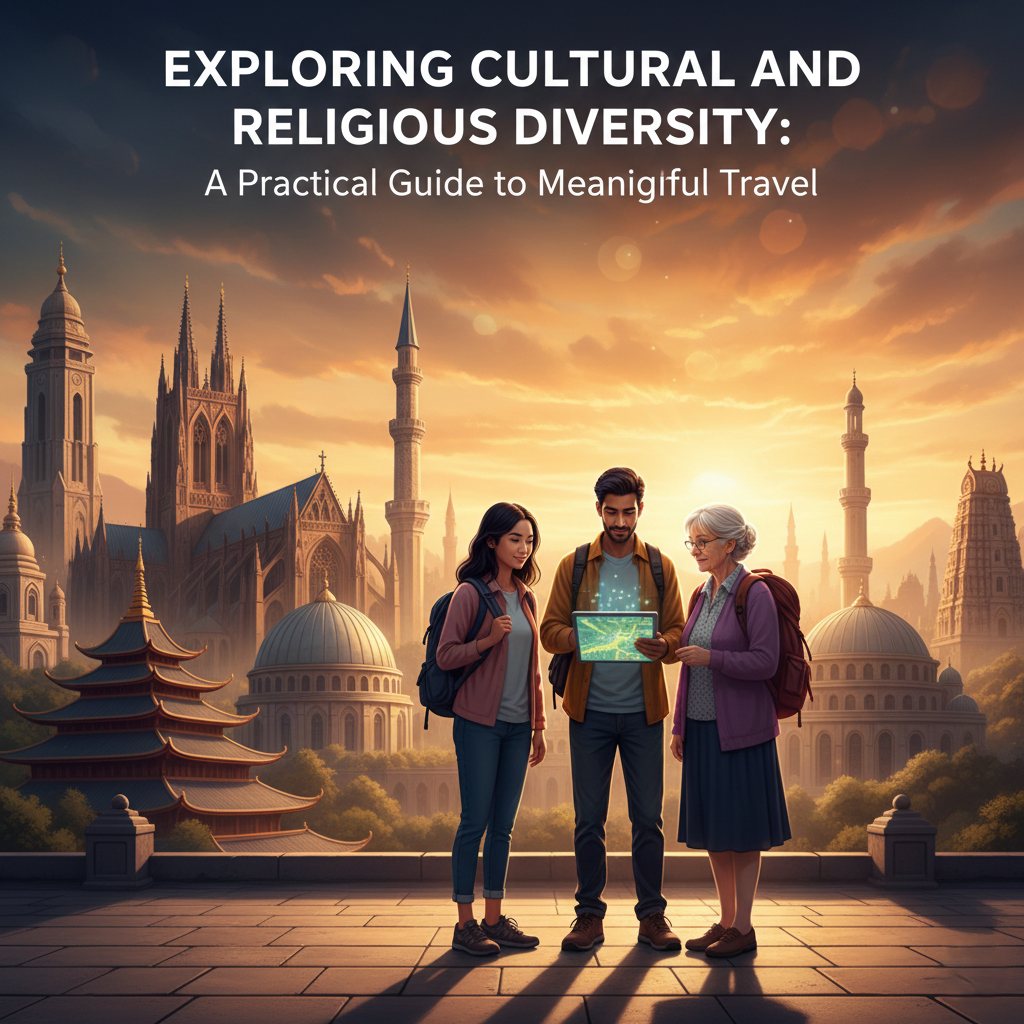
Exploring cultural and religious diversity through travel offers a profound and enriching experience that broadens understanding and fosters respect for different traditions and beliefs. Rome, with its ancient history and significance to Christianity, provides a glimpse into centuries of religious evolution and architectural marvels like the Vatican. Varanasi, one of Hinduism’s holiest cities, offers a deeply spiritual atmosphere along the banks of the Ganges, where rituals and traditions have persisted for thousands of years. Kyoto, Japan’s cultural heart, is renowned for its classical Buddhist temples, Shinto shrines, and traditional tea houses, reflecting a harmonious blend of spiritual practices. Jerusalem stands as a pivotal city for Judaism, Christianity, and Islam, with sacred sites such as the Western Wall, the Church of the Holy Sepulchre, and the Al-Aqsa Mosque, embodying centuries of religious history and coexistence. Marrakesh, with its vibrant souks and mosques, showcases Islamic culture and North African traditions, offering sensory-rich experiences through its markets and architecture. Lhasa, the spiritual centre of Tibetan Buddhism, is home to the Potala Palace and numerous monasteries, serving as a vital site for pilgrims and a window into Tibetan religious life. Traveling to these diverse destinations encourages meaningful engagement with different faiths and customs, fostering greater empathy and a deeper appreciation for the world’s rich spiritual heritage.
Don’t worry if this is information overload for you, we have summarised this information with helpful sub-headers and bullet points, so you get the right information, instantly! Happy reading and happy travels!
Why Cultural and Religious Travel Feels Different
Unlike standard sightseeing, religious destinations operate on complex rituals,
sacred timings, and social norms. They follow ritual calendars that don’t line up with
tourist seasons, and often have specific times for prayer or ceremonies that aren’t
reflected in opening hours. Dress codes are tied to identity and respect, and
photography boundaries are strict, sometimes restricted to certain areas or times.
Emotional sensitivity is crucial because these sites often hold profound spiritual
significance, treating them like ordinary tourist spots risks missing the depth or
causing offence.
If you treat them like normal sightseeing spots, you’ll miss the depth, or unintentionally offend someone.
Rome & Vatican City: Christianity, Power, and Symbolism
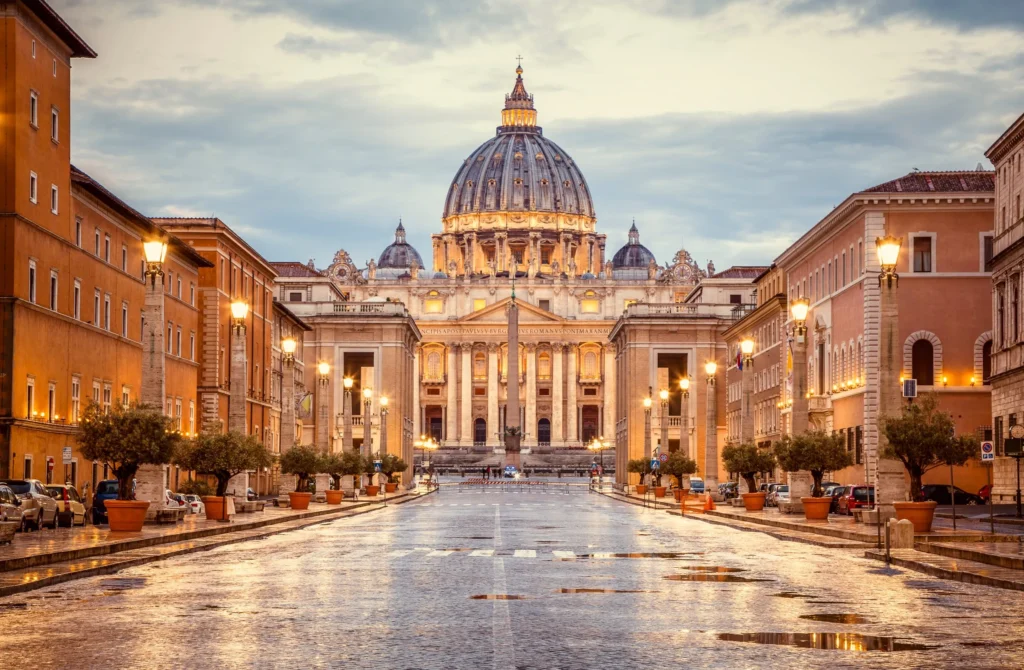
Rome isn’t just about churches, it’s about how religion shaped politics and art for 2,000 years.
What Most Blogs Don’t Tell You:
- The Vatican runs on its own sovereignty rules, it’s technically a separate state.
- Wednesday mornings are Papal Audience days. Crowds spike dramatically.
- The best time for St Peter’s Basilica isn’t early morning, it’s mid-afternoon when tour groups rotate out.
Cultural Insight:
Notice how religious art doubles as political messaging. Michelangelo’s works weren’t just spiritual, they reinforced Church authority.
Etiquette:
- Shoulders and knees covered.
- Silence near confession areas.
- Avoid flash photography in sacred areas.
Varanasi, India: Understanding Ritual, Not Just Watching It
Varanasi is often misunderstood by travellers who focus only on cremation ghats.
What Actually Matters:
- The Ganges isn’t symbolic, it is believed to be spiritually purifying.
- Dawn boat rides show daily devotion, not “performance”.
- The evening Aarti is ritual worship, not entertainment.
Important Cultural Reality:
Photography near cremation sites is deeply insensitive. Many travellers don’t realise this.
Best Visiting Strategy:
- Visit at sunrise (less chaotic).
- Hire a licensed local guide to understand context.
- Wear simple, modest clothing.
Kyoto, Japan: Silence as a Cultural Language
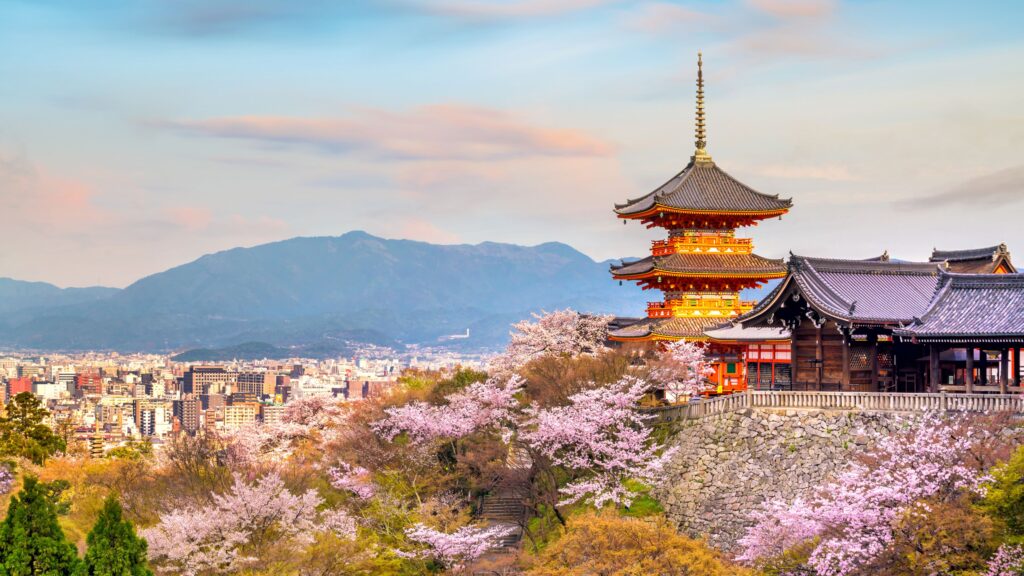
Kyoto blends Shinto and Buddhism seamlessly.
What Makes It Unique:
- Torii gates mark transitions from ordinary to sacred space.
- Temples are often built around nature, not dominating it.
- Ritual cleansing at shrine entrances is symbolic purification.
Hidden Insight:
Cherry blossom season is beautiful but spiritually distracting. If you want quiet reflection, visit in late November during autumn foliage.
Behaviour Tips:
- Remove shoes when required.
- Bow lightly when greeting monks.
- Never touch sacred statues.
Jerusalem: The World’s Most Sensitive Religious City
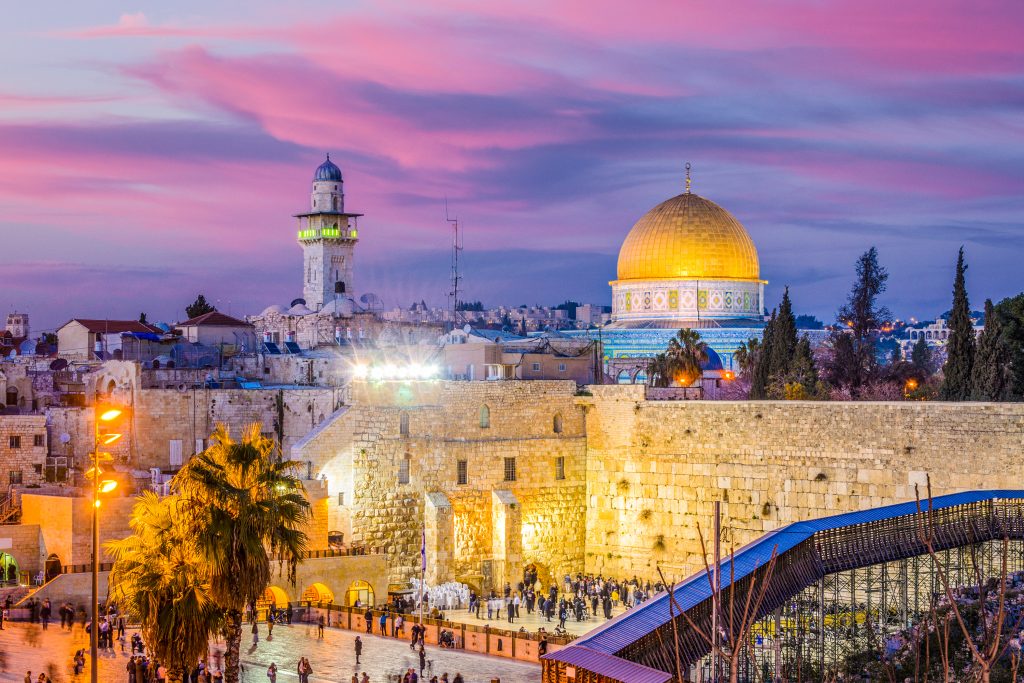
Few places hold spiritual weight like Jerusalem.
Critical Understanding:
The Old City contains sacred sites for:
- Judaism (Western Wall)
- Christianity (Church of the Holy Sepulchre)
- Islam (Al-Aqsa Mosque, Dome of the Rock)
These sites sit within walking distance, and within complex political realities.
What Responsible Travellers Should Know:
- Avoid religious or political debates.
- Security checks are normal, stay calm and patient.
- Visit early morning to avoid tension and peak crowds.
Dress Code:
Conservative clothing is essential in all quarters.
Marrakech: Faith in Daily Life
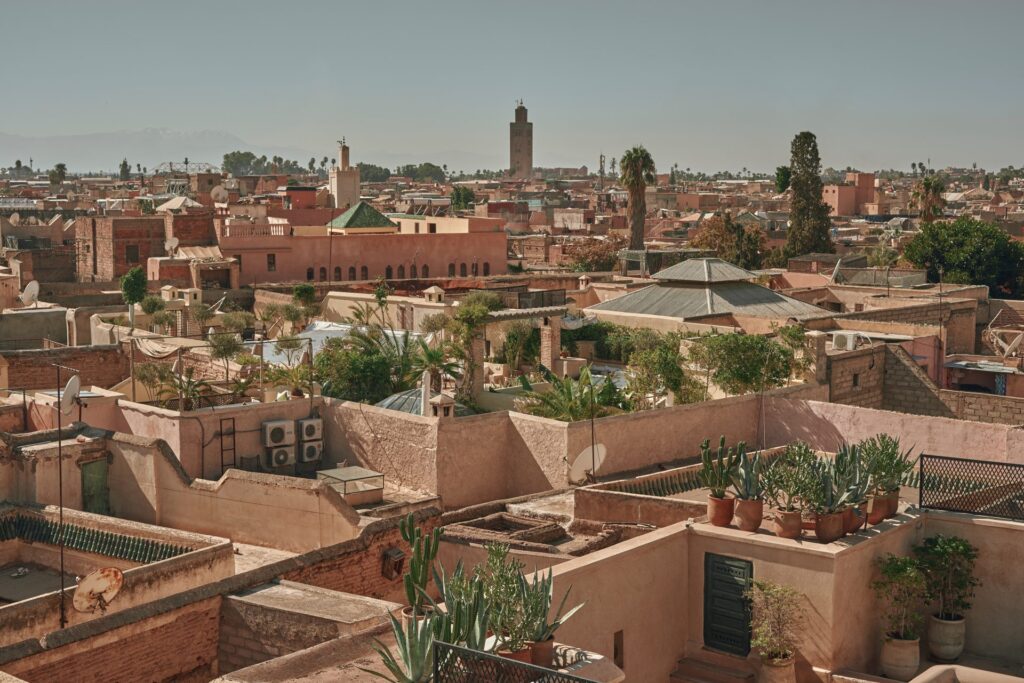
In Marrakech, Islam isn’t confined to mosques, it shapes daily rhythm.
Things You Won’t Read in Most Guides:
- The call to prayer structures the day.
- Fridays are communal prayer days, businesses may adjust hours.
- Ramadan dramatically changes city energy.
Market Etiquette:
- Bargain respectfully.
- Don’t photograph people without permission.
- Accept mint tea if offered, it’s hospitality.
Lhasa, Tibet: High Altitude, High Spirituality
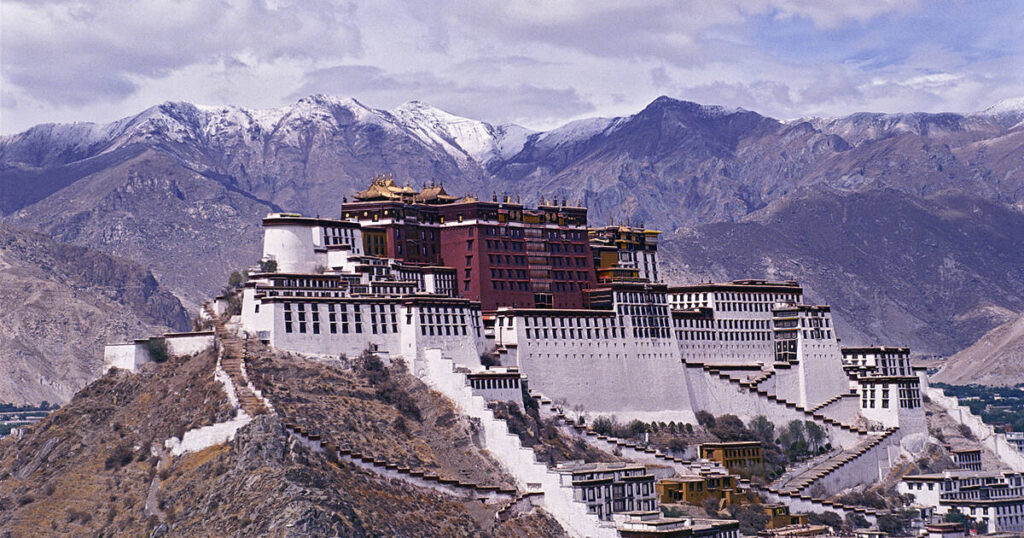
Tibetan Buddhism is visually powerful, prayer flags, spinning wheels, prostrations.
What Matters Most:
- Altitude sickness is real. Acclimatise for 1–2 days.
- Pilgrims walking clockwise around Jokhang Temple are performing kora (ritual circumambulation).
- Photography inside temples is usually prohibited.
Preparation Tip:
Arrive hydrated. Avoid alcohol for the first 48 hours.
Cultural & Religious Travel Planning Framework
Before visiting any sacred destination, ask:
- Is there a religious festival during my visit?
- Are there gender-specific rules?
- Are non-believers restricted from entry?
- What clothing is culturally appropriate?
- Is photography allowed?
- Are donations expected?
- What days are considered holy?
Most travel mistakes happen because people don’t check these.
Budgeting for Religious Travel
Average estimated ranges (from the UK):
- Flights: £400–£900
- Mid-range accommodation: £40–£120 per night
- Local transport: £2–£20 per journey
- Entry fees: £5–£25
- Guided tours: £20–£60
Pilgrimage seasons increase costs significantly.
Cultural Sensitivity Checklist
✔ Cover shoulders and knees
✔ Remove shoes when required
✔ Avoid loud conversations
✔ Don’t interrupt prayer
✔ Ask before photographing people
✔ Respect fasting periods
✔ Follow gender-separated areas where required
Frequently Asked Questions
What is the best time to visit religious destinations?
Spring (March–May) and autumn (September–November) offer moderate weather and fewer crowds. However, pilgrimage seasons vary by religion.
Are religious sites safe for solo travellers?
Yes, many are safe, but awareness of local customs and political sensitivities is important.
Can non-believers enter sacred religious sites?
It depends. Some sites like Mecca restrict entry to Muslims only, while others allow visitors with respectful behaviour.
How should I dress when visiting religious sites?
Wear modest clothing covering shoulders and knees. Carry a scarf or shawl when unsure.
Is photography allowed at religious sites?
Often yes in outer areas, but usually restricted inside prayer halls or during ceremonies.
Do I need travel insurance for religious trips?
Yes. Always have medical and travel insurance, especially for high-altitude or remote destinations.
Sustainable & Ethical Religious Travel
Cultural tourism can harm sacred sites if done carelessly.
- Avoid touching fragile architecture.
- Don’t remove stones or artefacts.
- Support local artisans instead of mass-produced souvenirs.
- Avoid treating rituals as “content creation moments.”
Remember: You are entering someone’s sacred space, not a theme park.
Final Thought
The most meaningful religious travel experiences happen when you shift from observer to respectful learner.
Slow down. Watch quietly. Ask thoughtful questions. Listen more than you speak.
That’s when culture stops being something you see, and becomes something you understand.
Got a question not listed? Get in touch! Email us on info@journeygems.co.uk or
leave a message on the Contact Us page!