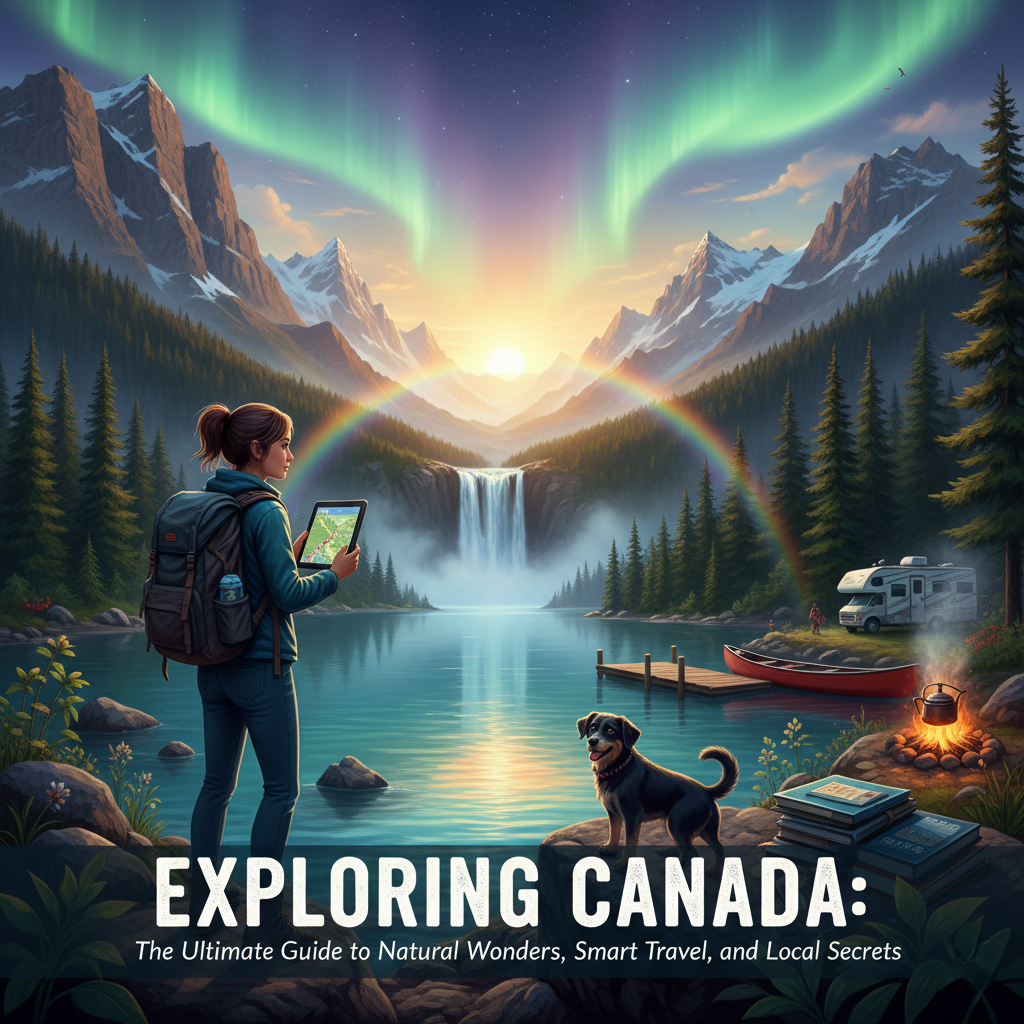
Canada is the second-largest country in the world, but most travellers only see a tiny slice of it. Beyond postcard images of Niagara Falls and Lake Louise lies a country of extreme climates, regional identities, hidden transport tricks, wildlife realities, and cultural nuances that can completely change your trip experience.
This guide goes beyond the basics. It covers what most blogs don’t explain, including seasonal strategy, hidden costs, regional differences, wildlife safety, and how to travel Canada intelligently.
Summary of Canada:
Canada, a vast and diverse country, offers a wide array of attractions and activities for visitors. Renowned for its stunning natural landscapes, vibrant cities, and multicultural environment, Canada is perfect for exploring outdoor adventures, cultural experiences, and scenic beauty. Visitors can enjoy exploring the breathtaking national parks such as Banff and Jasper in the Rockies, experiencing the vibrant urban life in Toronto, Vancouver, and Montreal, or visiting iconic landmarks like Niagara Falls. The best time to visit depends on your interests; summer (June to August) provides warm weather ideal for outdoor activities like hiking, boating, and sightseeing, while winter (December to February) is excellent for winter sports such as skiing and snowboarding, especially in the Rockies and eastern ski resorts. The northern lights can be seen in parts of northern Canada, particularly between September and March, with optimal viewing often occurring from late winter to early spring when the nights are longest. Canada is generally very accessible and safe, with efficient transportation systems and a reputation for safety and friendliness. The currency used is the Canadian dollar (CAD). Flight times from the UK to major Canadian cities like Toronto, Vancouver, and Montreal typically range from about seven to nine hours for direct flights, depending on the destination. Daylight hours vary throughout the year; in summer, especially in northern regions, daylight can last up to 18 hours, offering long days for exploration, while in winter, daylight is limited, with some northern areas experiencing polar night, where the sun does not rise for days or weeks, creating a unique seasonal environment.
Don’t worry if this is too much information to digest – we have summarised this below with handy headers and bullet points!
Understanding Canada’s Scale
Canada is enormous.
To put it into perspective:
- Toronto to Vancouver is farther than London to Istanbul.
- Driving across Canada takes 4–7 days without stopping.
- Time zones span 6 regions.
Many travellers underestimate travel time and over-plan their itinerary.
Smart Strategy:
Focus on 1–2 regions per trip instead of trying to “see Canada.”
Example:
- Rockies + Vancouver (Nature-focused trip)
- Toronto + Niagara + Ottawa (Urban + landmarks)
- Montreal + Quebec City (Culture + history)
- Yukon (Northern Lights + wilderness)
Iconic Sights. And What You Should Know Before Visiting
Niagara Falls (Ontario)
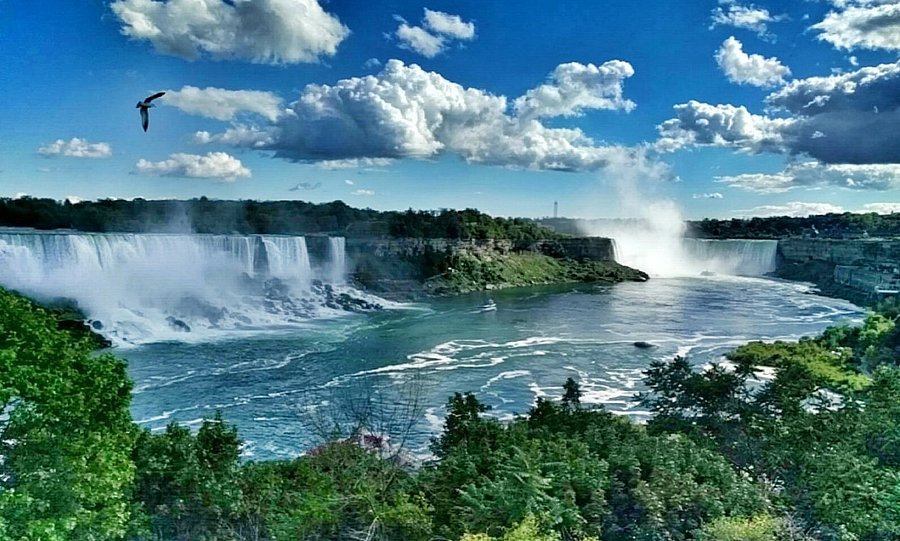
Yes, it’s spectacular, but here’s what most travellers don’t realise:
- The Canadian side offers the best panoramic views.
- Peak season (July–August) is extremely crowded.
- Winter visits offer fewer tourists and frozen mist landscapes.
- The surrounding Clifton Hill area is very commercial, almost Las Vegas-like.
Best time for fewer crowds: May, late September.
Banff & Jasper (Alberta Rockies)
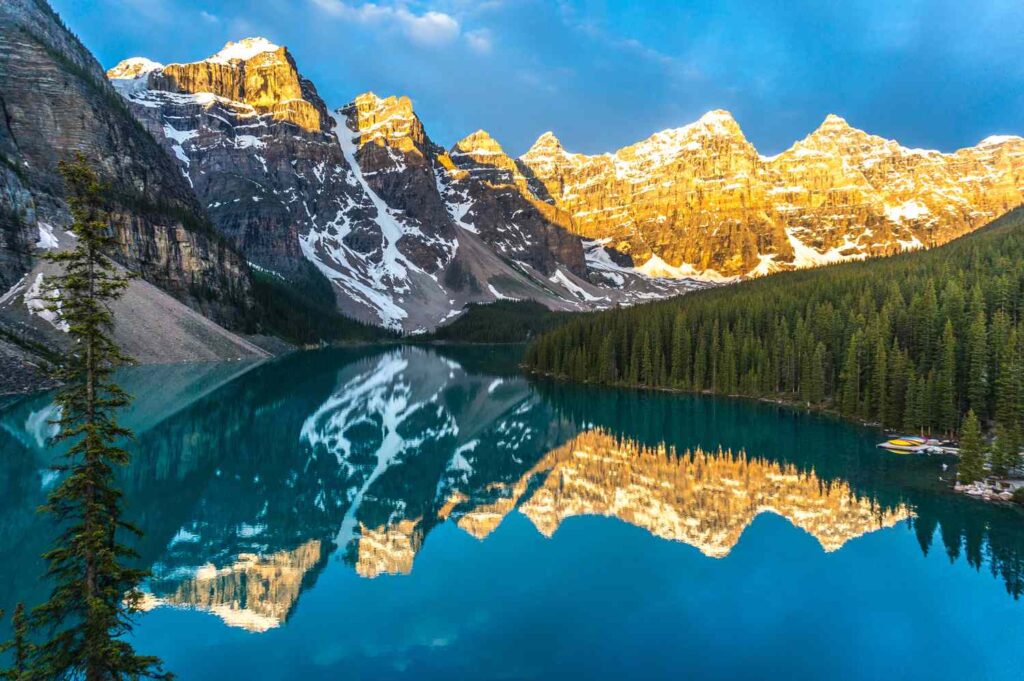
The Rockies are Canada’s crown jewel, but access is regulated.
Important insider knowledge:
- Moraine Lake now restricts private vehicle access (advance shuttle booking required).
- Wildlife sightings are common, but approaching animals is illegal and dangerous.
- Weather can change within hours, even in summer.
- Cell signal is unreliable in many park areas.
National park entry requires a Parks Canada pass, which can be bought online or at park gates.
Quebec City
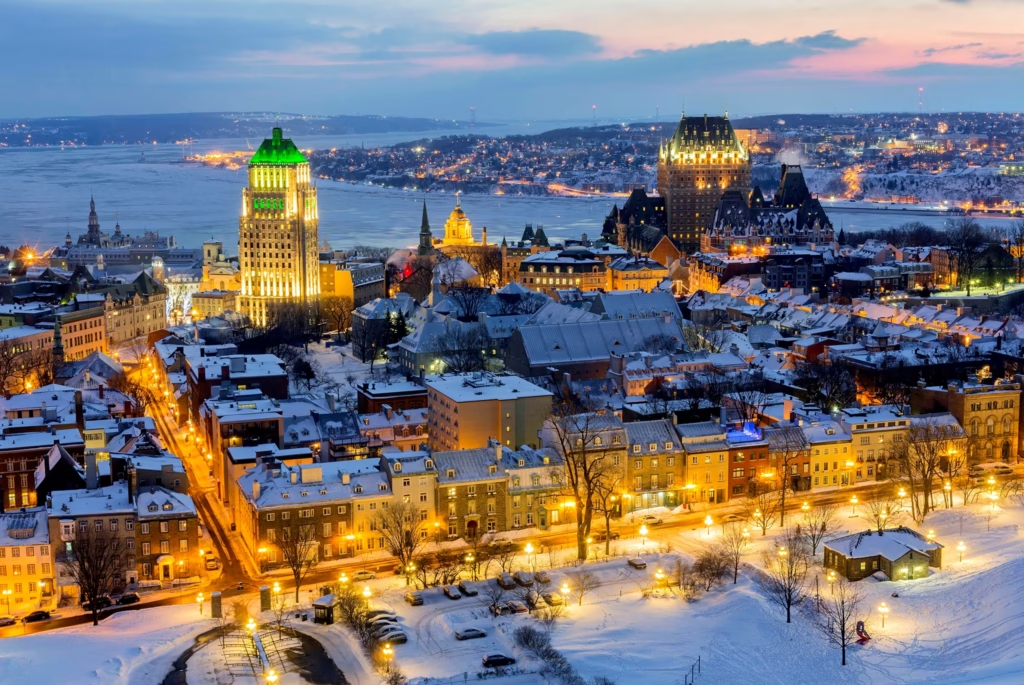
Often described as “Europe without crossing the Atlantic.”
Unique advantage:
- It’s the only fortified city north of Mexico.
- French is dominant, English is widely understood but less common outside tourist zones.
- Winter Carnival (February) transforms the city into a snow festival destination.
Transportation: What Most Blogs Oversimplify
Domestic Flights
Flying within Canada can be pricey compared to Europe. Budget airlines exist, but
baggage fees quickly add up. Prices between major cities like Toronto and
Vancouver are typically £100–£300 if booked early, especially outside peak seasons.
Trains (VIA Rail)
A scenic but slow option, taking around four days from Toronto to Vancouver. If you
opt for a sleeper cabin, book well in advance, especially in peak season.
Renting a Car
In Western Canada, especially Alberta and British Columbia, renting a car is often
essential. Insider tip: check your insurance coverage carefully, as some policies
exclude remote areas. Fuel stations in rural and remote regions often close early, so
plan your refuelling accordingly. In some provinces, winter tyres are mandatory, so
factor that into your rental.
Canada’s Seasons: Travel Strategy by Month
June–September (Peak Season)
- Best for hiking, lakes, festivals
- Higher accommodation prices
- Wildfire smoke may affect Western Canada (July–August)
October (Underrated Month)
- Fall foliage in Ontario & Quebec
- Lower hotel prices
- Cooler but manageable weather
December–February
- Ideal for skiing (Whistler, Banff)
- Northern Lights in Yukon
- Extremely cold in central/northern regions (-20°C or lower)
March–May
- Shoulder season
- Melting snow can make hiking trails muddy
- Fewer crowds in cities
Wildlife Safety: What Travellers Must Understand
Canada is safe, but nature isn’t always predictable.
Common Wildlife Encounters:
- Bears (black & grizzly)
- Moose
- Elk
- Coyotes
Key safety advice:
- Never approach wildlife for photos.
- Carry bear spray in remote hiking areas.
- Store food securely.
- Drive carefully at dawn and dusk.
Moose collisions are one of the biggest road hazards in some provinces.
Hidden Costs Most Tourists Don’t Expect
1. Taxes Are Added at Checkout
Prices displayed often exclude tax (5–15% depending on province).
2. Tipping Culture
15–20% is standard in restaurants, taxis, and services.
3. Alcohol Pricing
Alcohol is heavily regulated and often more expensive than expected.
4. National Park Fees
Daily or annual passes required.
Unique Canadian Experiences You Won’t Find Everywhere
- Watching the Northern Lights in Yukon or Northern Manitoba
- Staying in a wilderness lodge accessible only by seaplane
- Ice walking in Johnston Canyon (winter only)
- Maple syrup farm tours during spring harvest
- Whale watching in British Columbia or Nova Scotia
- Indigenous cultural tours led by First Nations communities
Internet, SIM Cards & Connectivity
- Free WiFi is common in cities but weak in national parks.
- Prepaid SIM cards are available but more expensive than Europe.
- Some remote areas have zero coverage, download offline maps.
Is Canada Safe for Tourists?
Yes, consistently ranked among the safest countries globally.
However:
- Weather is the biggest risk.
- Wildlife requires caution.
- Rural distances are serious, don’t underestimate them.
Emergency number: 911 nationwide.
Frequently Asked Questions
Do I need a visa to visit Canada?
Most travellers require either a visa or an Electronic Travel Authorization (eTA), depending on nationality. Always check official Government of Canada immigration websites before travelling.
What is the best time to visit Canada?
June to September offers the best overall weather. Winter (December–February) is ideal for skiing and Northern Lights viewing.
Is Canada expensive to visit?
Canada is moderately expensive. Accommodation and flights can be costly, but food, public transport, and attractions are reasonably priced.
Can I drive in Canada with a foreign licence?
Yes, short-term visitors can usually drive with a valid foreign licence. An International Driving Permit (IDP) is recommended.
Is travel insurance necessary?
Yes. Healthcare is expensive for non-residents, and travel insurance is strongly recommended.
The Real Truth About Travelling Canada
Canada isn’t just one destination, it’s multiple countries in one.
Western Canada feels alpine and rugged.
Quebec feels European.
Toronto feels cosmopolitan and diverse.
The North feels remote and wild.
The key to enjoying Canada is not rushing it.
Plan regionally. Respect nature. Budget realistically. And give yourself time to absorb the landscapes, they’re bigger than you expect.
Got a question not listed? Get in touch! Email us on info@journeygems.co.uk or
leave a message on the Contact Us page!