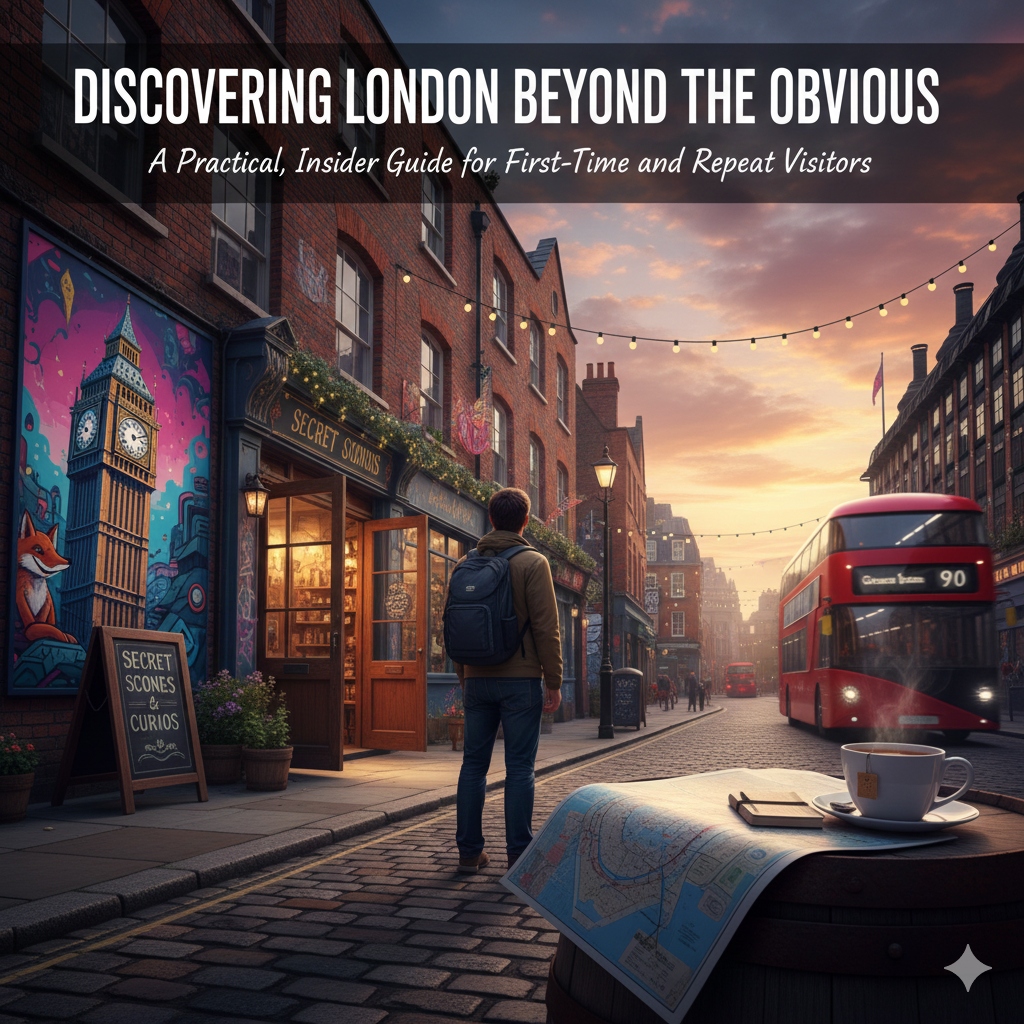
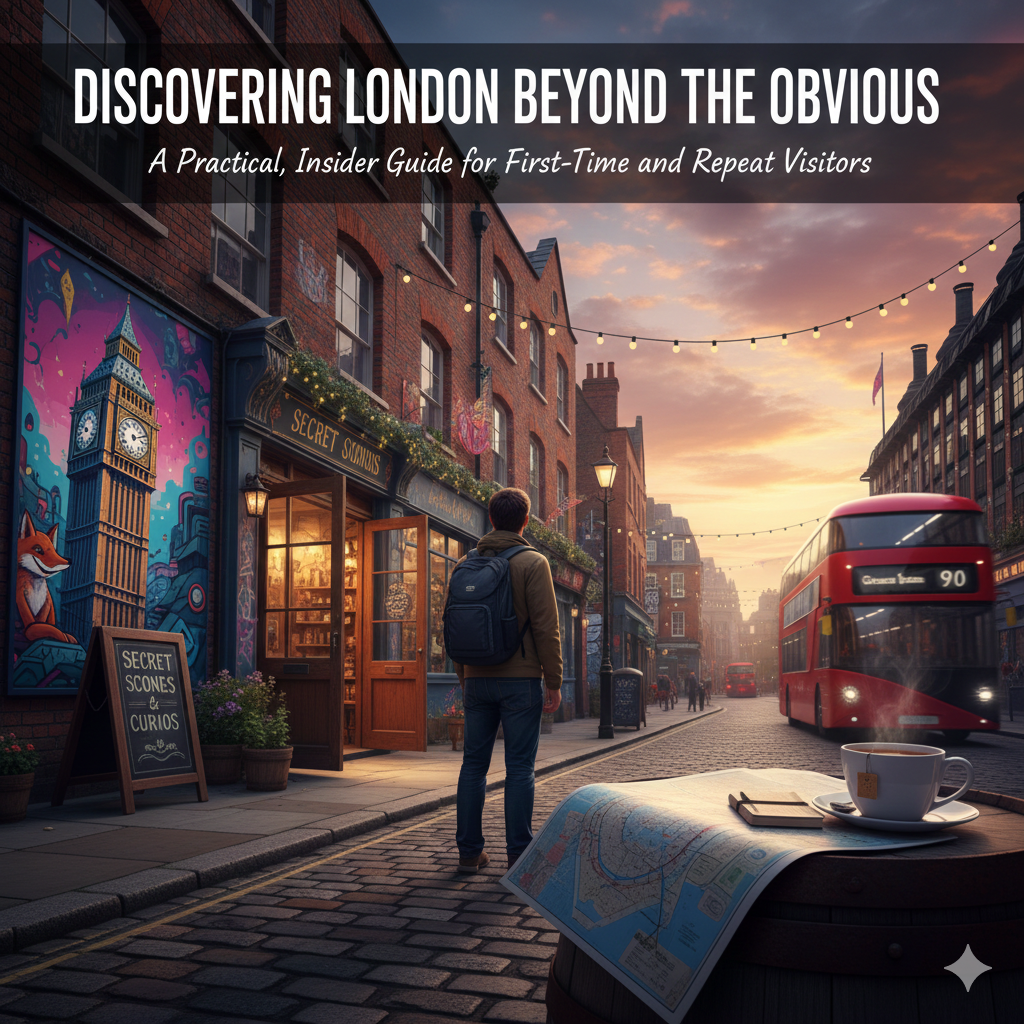
London isn’t just a checklist of landmarks, it’s a living, layered city where how you explore matters as much as where you go. Many visitors leave feeling rushed, overwhelmed, or convinced London is “too expensive,” when in reality, they simply weren’t shown how the city actually works.
This guide focuses on how to experience London intelligently, saving time, money, and energy, while uncovering details most travel blogs skip.
Understanding London’s Geography (Why Many Visitors Waste Time)
London is not a compact city like Paris or Amsterdam. It’s made up of distinct villages stitched together by transport, and planning by zones rather than attractions changes everything.
Key Visitor Zones Explained
Westminster and South Bank are the heart of political history, packed with landmarkslike Big Ben, Westminster Abbey, and the London Eye. South Bank is a lively culturalhub with theatres, street performers, and riverside walks. Bloomsbury and Kings Cross are the intellectual and literary heartlands, filled with world-class museums, libraries, and interesting architecture, perfect for culture buffs. East London, including Shoreditch and Hackney, is where the city’s creative energyand food scene thrive, with vibrant street art, markets, and lively nightlife. West London, covering Kensington and Chelsea, is the place for museums, elegantparks, and high-end shopping, think the Victoria and Albert Museum or Hyde Park. My insider tip? Avoid trying to cover multiple zones in one day. Instead, plan your activities zone by zone, which significantly reduces fatigue and allows you to soak in the local atmosphere. Westminster and South Bank are the heart of political history, packed with landmarkslike Big Ben, Westminster Abbey, and the London Eye. South Bank is a lively culturalhub with theatres, street performers, and riverside walks. Bloomsbury and Kings Cross are the intellectual and literary heartlands, filled with world-class museums, libraries, and interesting architecture—perfect for culture buffs. East London, including Shoreditch and Hackney, is where the city’s creative energyand food scene thrive, with vibrant street art, markets, and lively nightlife. West London, covering Kensington and Chelsea, is the place for museums, elegantparks, and high-end shopping—think the Victoria and Albert Museum or Hyde Park. My insider tip? Avoid trying to cover multiple zones in one day. Instead, plan your activities zone by zone, which significantly reduces fatigue and allows you to soak inthe local atmosphere.
👉 Insider tip: Avoid crossing the city multiple times in one day. Group activities by zone, it reduces fatigue more than any transport hack.
Getting to London & Moving Around Like a Local
Trains from UK Cities
- Manchester → London: ~2h 10m
- Birmingham → London: ~1h 25m
- Bristol → London: ~1h 45m
Advance tickets booked mid-week are often 30–50% cheaper than peak fares.
Airports: Which One Is Actually Best?
- Heathrow: Fastest access to central London via Elizabeth Line
- Gatwick: Reliable, good for south London
- Stansted/Luton: Cheaper flights, longer transfers
Transport Truth Most Blogs Miss
- Contactless cards cap daily spending automatically, no Oyster needed
- Buses are slower but offer free sightseeing
- Avoid Tube travel between 8–9:30am and 4:30–6:30pm
When to Visit London (Based on Experience, Not Seasons)
| Month | What It’s Really Like |
|---|---|
| March–April | Fewer crowds, parks bloom |
| May–June | Best balance of weather & energy |
| July–August | Festivals + crowds + heat |
| September | Local favourite month |
| December | Magical atmosphere, short days |
👉 Hidden advantage: Late April & early September offer the best photos and shorter queues.
Where to Stay: Choosing the Right Area (Not Just the Hotel)
Best Areas by Travel Style
- First-time visitors: South Bank, Covent Garden
- Culture lovers: Bloomsbury
- Food & nightlife: Shoreditch
- Quiet + green: Greenwich, Hampstead
💡 Hotels near Tube stations save more time than central postcodes.
London’s Major Attractions, With Context
Instead of listing sights, here’s how to experience them properly:
The Tower of London
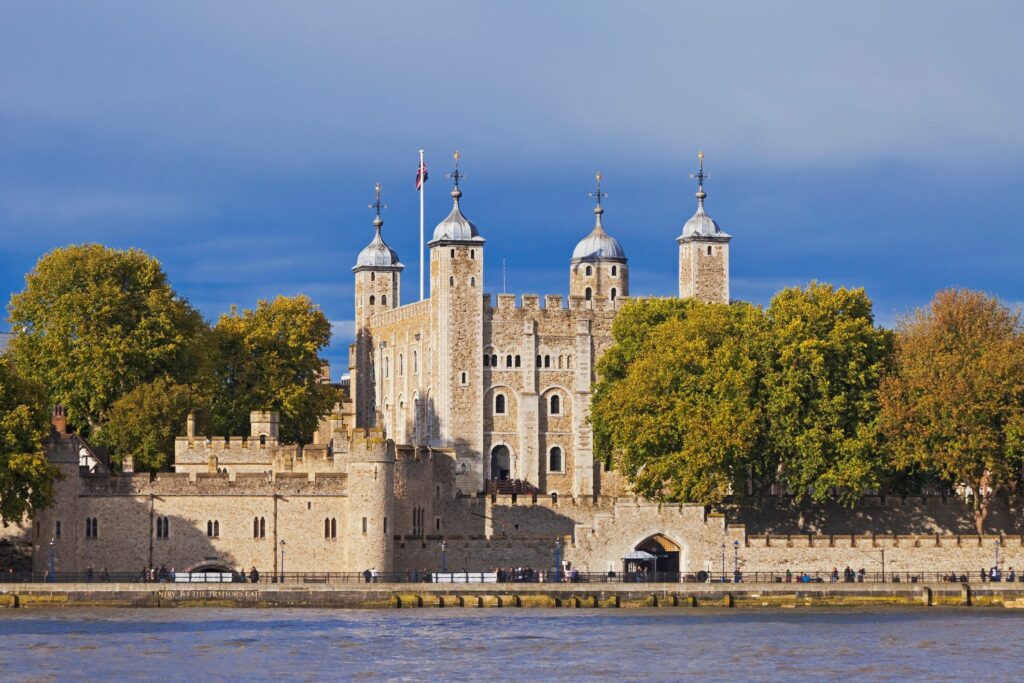
The Tower of London, one of England’s most iconic historic landmarks, has a rich and complex history that spans over a thousand years. Originally founded by William the Conqueror in 1066, it has served various roles including a royal residence, fortress, palace, treasury, and even a prison. The Tower is renowned for its striking architecture, including the White Tower, which dates back to the late 11th century and is a prime example of Norman military design. Over the centuries, it has been the site of many significant historical events, including royal executions, imprisonments, and the imprisonment of notable figures. Today, the Tower is a UNESCO World Heritage Site and a major tourist attraction, famous for its Crown Jewels, which are displayed in the Jewel House and are used in royal ceremonies. The Yeoman Warders, popularly known as Beefeaters, serve as guides and custodians of the Tower, offering visitors insights into its history and legends. The Tower’s medieval walls, battlements, and towers evoke a sense of the past, while the ravens, which are famously believed to protect the Tower, add an air of myth and mystery. Visiting the Tower of London provides a fascinating glimpse into England’s royal history, its medieval past, and the stories that have shaped the nation over centuries.
Our advise? Go early morning or last entry, crowds change the experience completely.
British Museum
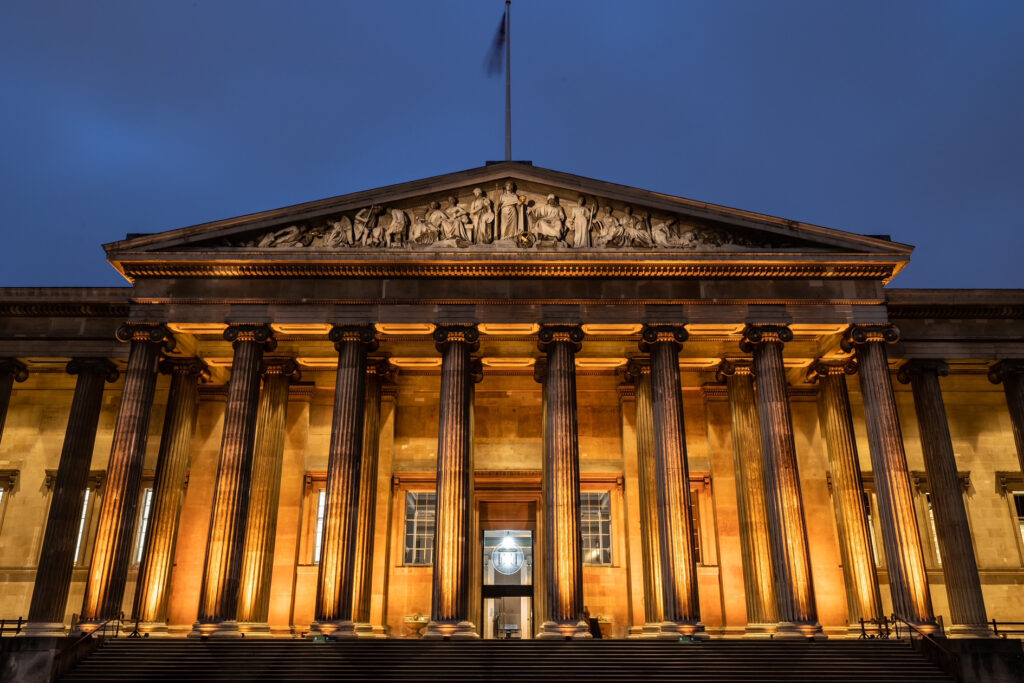
The British Museum, located in the heart of London, is one of the world’s most renowned cultural institutions, dedicated to human history, art, and archaeology. Established in 1753, it houses an extensive collection of over eight million objects spanning thousands of years and every continent. Visitors can explore iconic artifacts such as the Rosetta Stone, which was instrumental in deciphering Egyptian hieroglyphs, and the Elgin Marbles from the Parthenon in Greece. The museum’s diverse collections include ancient Egyptian mummies, Asian sculptures, African masks, and European paintings, offering a comprehensive overview of human creativity and cultural development. The British Museum is renowned for its commitment to education and accessibility, providing free entry to all visitors. Its grand neoclassical architecture, with the impressive Great Court roof designed by Foster and Partners, creates a majestic setting for exploration. As a place of discovery and learning, the museum encourages visitors to engage with the stories behind each artifact, fostering a deeper understanding of global history and cultural heritage. Visiting the British Museum provides an unparalleled opportunity to connect with the world’s past, making it a must-see destination for anyone interested in history, art, and culture.
Our advise is to focus on 2–3 galleries max. Trying to see everything leads to burnout and get very, very tiring!
London Eye
The London Eye, also known as the Millennium Wheel, is one of London’s most popular and iconic attractions, offering breathtaking views of the city skyline. Located on the South Bank of the River Thames, it was officially opened in 2000 to celebrate the new millennium and has since become a symbol of modern London. The giant Ferris wheel stands at 135 metres tall, making it one of the tallest observation wheels in Europe, and features 32 sealed capsules that provide unobstructed panoramic views of landmarks such as Big Ben, Buckingham Palace, St Paul’s Cathedral, and Tower Bridge. Each capsule is climate-controlled and offers a smooth, comfortable ride that lasts about 30 minutes, allowing visitors to take in the city from above at their own pace. The London Eye is especially stunning at sunset or during the evening when the city lights sparkle below. It is accessible for visitors with mobility needs and offers a unique perspective on London’s historic and modern architecture. The experience is not only about the spectacular views but also about capturing memorable photos and gaining a new appreciation for the city’s layout. Visiting the London Eye provides a memorable, bird’s-eye view of London’s vibrant landscape, making it a must-do activity for tourists and locals alike. It’s best at sunset only on clear days. Otherwise, Sky Garden is free and better.
London’s Free Culture Advantage (Rarely Emphasised Enough)
London is one of the few global capitals where world-class culture is free:
- British Museum
- National Gallery
- Tate Modern
- Science & Natural History Museums
This alone makes London ideal for budget-conscious travellers.
Food in London: How to Eat Well Without Overspending
What Most Tourists Do Wrong
- Eating near landmarks
- Overpaying for “British food” stereotypes
What Actually Works
- Lunch menus in upscale areas
- Street food markets after 5pm
- Historic pubs outside Zone 1
Don’t miss:
- Borough Market (weekday mornings)
- Brick Lane (global street food)
- Soho for late-night eats
London’s Parks: The City’s Secret Weapon
London’s green spaces are often overlooked but are truly the city’s secret weapon.
Hyde Park is iconic and perfect for a leisurely stroll or boat ride. Hampstead Heath
offers wild, unspoiled views over the city, my go-to spot for a picnic and sunset.
Regent’s Park, with its beautiful gardens and nearby zoo, is ideal for a relaxing day
out. Locals use parks as social hubs, not just scenic escapes, and they’re a great
way to experience the city’s everyday life.
A Real London Day (How It Flows Naturally)
Start your day with a coffee at a local café in your neighbourhood, then head out
early to visit a museum or landmark, fewer crowds make for a better experience.
For lunch, explore a nearby market or take a walk through a charming
neighbourhood. In the late afternoon, unwind in a park or grab a drink at a pub. In
the evening, watch a theatre show, enjoy riverside dining, or take a peaceful walk
along the Thames. Trying to see everything in one day is a recipe for
exhaustion, slow, local-style days are the most rewarding.
Frequently Asked Questions about London
What is the best time to visit London?
The best time to visit London is during spring (March to May) and early autumn (September to October) when the weather is mild and the city is less crowded.
How do I get around London?
London has an extensive public transport system, including the Tube, buses, and trains, making it easy to get around the city efficiently.
What are some must-see attractions in London?
Some must-see attractions in London include the Tower of London, Buckingham Palace, the British Museum, the London Eye, and Westminster Abbey.
Is London a safe city for tourists?
Yes, London is generally very safe for tourists, but it’s always wise to stay aware of your surroundings and take usual precautions.
How much does it cost to visit London?
The cost varies depending on activities and accommodation, but London can be expensive, especially for dining, accommodation, and entertainment.
What is the best way to see London’s sights?
The best way to see London’s sights is by a combination of walking tours, river cruises, and using the Tube for longer distances.
How long should I stay in London?
A minimum of three to four days is recommended to see the main sights, but a week allows for a more relaxed exploration of the city.
Are there any free attractions in London?
Yes, many of London’s museums and galleries, including the British Museum and the National Gallery, are free to enter.
What is the currency used in London?
The currency used in London is the British Pound Sterling (GBP).
Can I see the changing of the guard in London?
Yes, the changing of the guard at Buckingham Palace is a popular and iconic event, usually held on specific days.
What are the best neighbourhoods to stay in London?
Popular neighbourhoods include Westminster, Covent Garden, Kensington, and Shoreditch, each offering a different vibe and attractions.
How accessible is London for disabled travellers?
London is quite accessible, with many attractions providing facilities for visitors with mobility challenges.
What is the weather like in London?
London has a temperate maritime climate, with mild summers and cool winters; rain is common throughout the year.
Are there day trips I can take from London?
Yes, popular day trips from London include Windsor, Oxford, Cambridge, and Stonehenge.
What is the legal drinking age in London?
The legal drinking age in London is 18 years old.
How do I get from Heathrow Airport to central London?
You can take the Heathrow Express train, the Piccadilly Line on the Tube, or a taxi or shuttle service to reach central London.
Is it easy to find vegetarian or vegan options in London?
Yes, London has a wide range of vegetarian and vegan restaurants and options available across the city.
Can I use my mobile phone in London?
Yes, mobile phones work well in London, and many providers offer international roaming or local SIM cards.
What are some popular events or festivals in London?
London hosts numerous events such as the Notting Hill Carnival, Wimbledon, and the Winter Winter Wonderland during the holiday season.
How safe is public transportation in London?
Public transportation in London is generally very safe, with security personnel and surveillance ensuring passenger safety at all times.
Lesser-Known London Experiences (High-Value Content)
- Walk Little Venice to Camden via canal path
- Explore Greenwich for maritime history
- Visit Leighton House Museum
- Sunday markets outside Zone 1
These experiences are often more memorable than landmarks.
Final Thoughts
London rewards curiosity, patience, and smart planning.
It’s a city that doesn’t show its best side immediately, but once you understand how it works, it becomes one of the most rewarding travel destinations in the world.
Disclaimer
This guide is for informational purposes only. Travel details may change. Always verify information through official sources such as Visit London or VisitBritain.