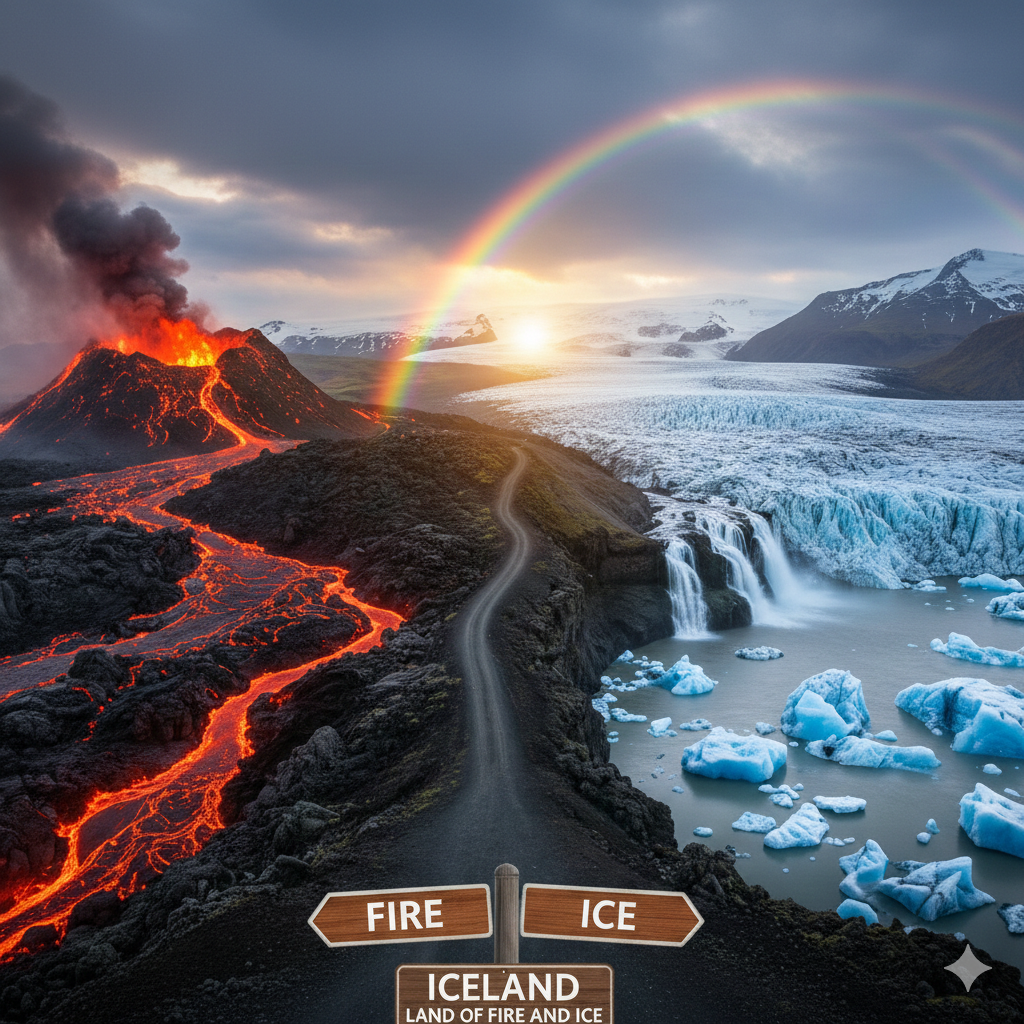
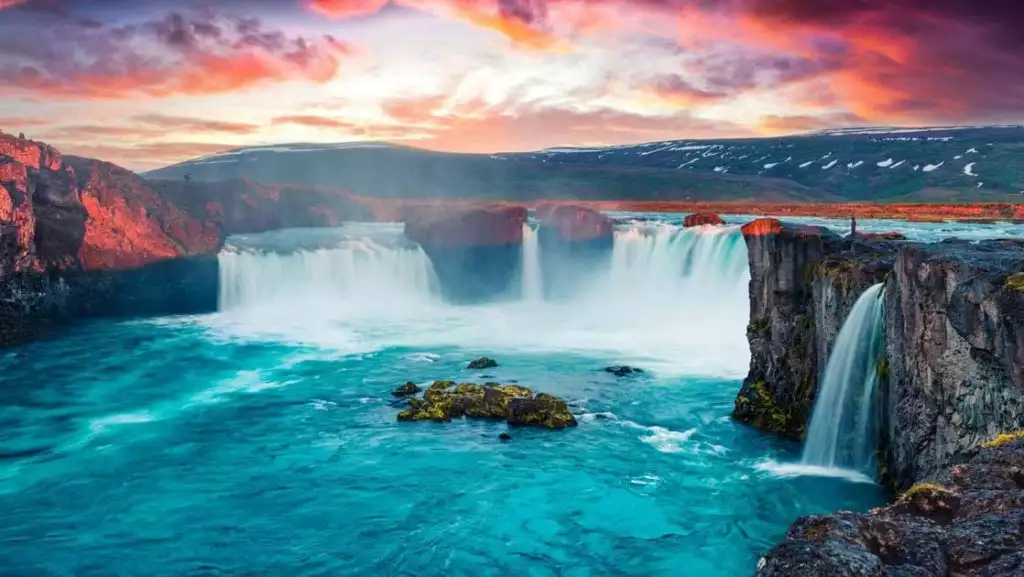
Iceland, often called the Land of Fire and Ice, is one of the most extraordinary travel destinations in the world. Located in the North Atlantic Ocean, this Nordic island nation is defined by dramatic contrasts, towering glaciers and active volcanoes, roaring waterfalls and peaceful geothermal lagoons, endless summer daylight and dark winter skies illuminated by the Northern Lights.
Despite its remote location, Iceland has become increasingly popular among travellers seeking raw nature, adventure, and unique cultural experiences. Whether you are planning a short getaway or a longer road trip, Iceland offers unforgettable scenery and a sense of untouched wilderness that few countries can rival.
Iceland is my favourite place on Earth! I can not recommend it enough – whether you’re a solo traveller, travelling in a couple, a group, with family or even with small children, it’s perfect with plenty to do for all!
A Brief History and Cultural Heritage of Iceland
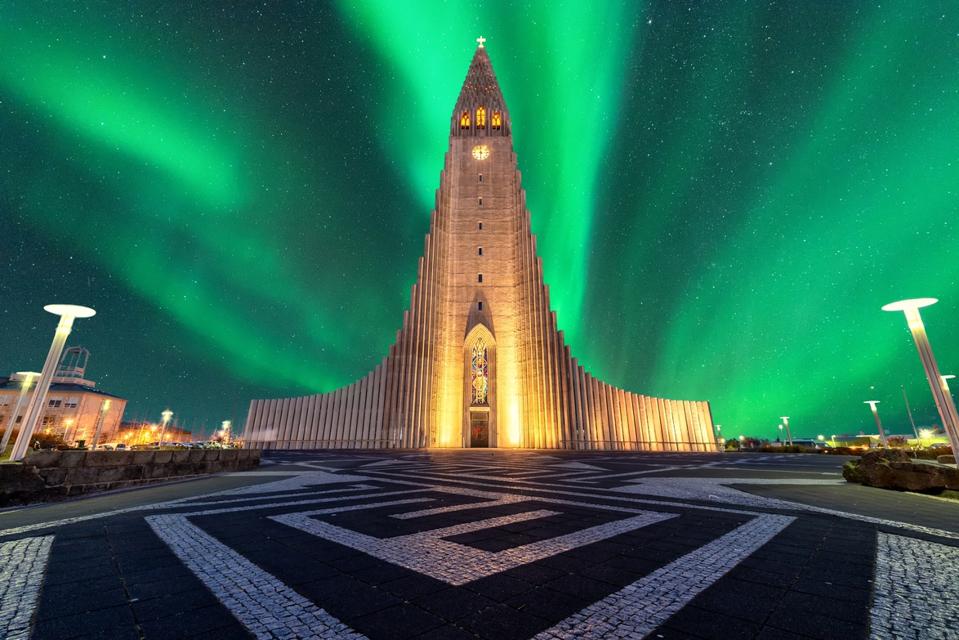
Iceland was first settled in the late 9th century by Norse explorers, primarily from Norway. These early settlers laid the foundations of a society deeply influenced by Viking traditions and Norse mythology. Iceland’s medieval literature, especially the Icelandic Sagas, is considered among the most important historical records in European history, documenting heroic journeys, family feuds, and early explorations.
Culturally, Iceland places strong value on literature, music, and the arts. Reykjavík, the capital city, is a surprisingly vibrant cultural hub, known for its modern architecture, museums, art galleries, and globally recognised music scene. Despite having a small population, Iceland consistently ranks high in creativity, education, and quality of life.
Currency, Prices, and Travel Costs in Iceland
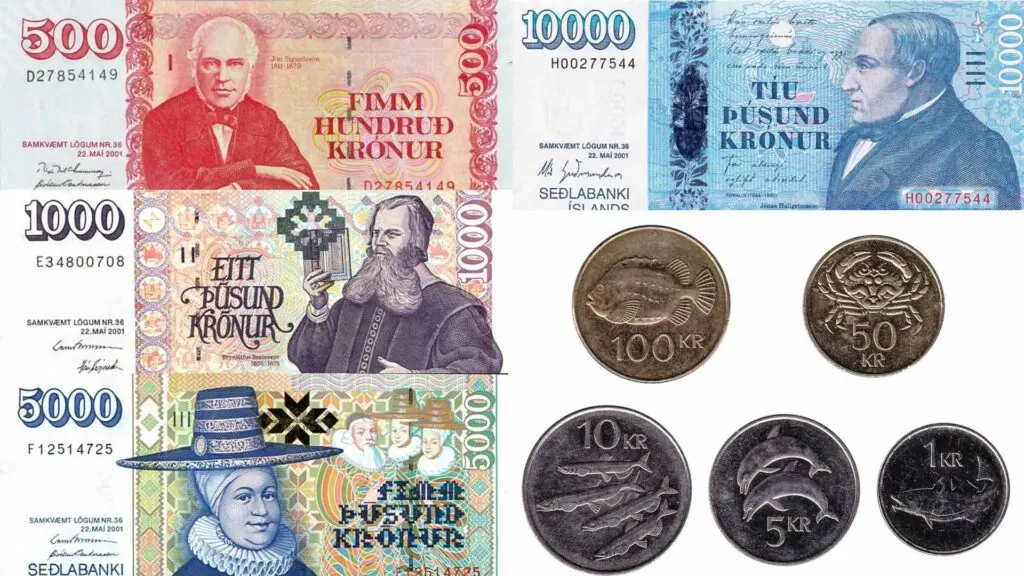
The official currency of Iceland is the Icelandic Króna (ISK). Iceland is widely regarded as an expensive destination, especially when compared to mainland Europe.
- Meals:
A mid-range restaurant meal typically costs 3,500–5,000 ISK (£20–£30)
Fast food or street food options can be slightly cheaper - Drinks:
A pint of beer often costs 1,000–1,500 ISK (£6–£9) - Accommodation:
- Budget hostels or guesthouses: 2,000–4,000 ISK (£12–£24) per night
- Mid-range hotels: 10,000–20,000 ISK (£60–£120)
- Luxury hotels and lodges: significantly higher
- Activities:
Guided tours such as glacier hiking, ice caves, or whale watching typically range from 10,000–30,000 ISK (£60–£180).
While Iceland is expensive, many of its best attractions—waterfalls, landscapes, beaches, and viewpoints—are completely free, making careful planning key to managing costs.
Iceland’s Natural Wonders and Must-See Attractions
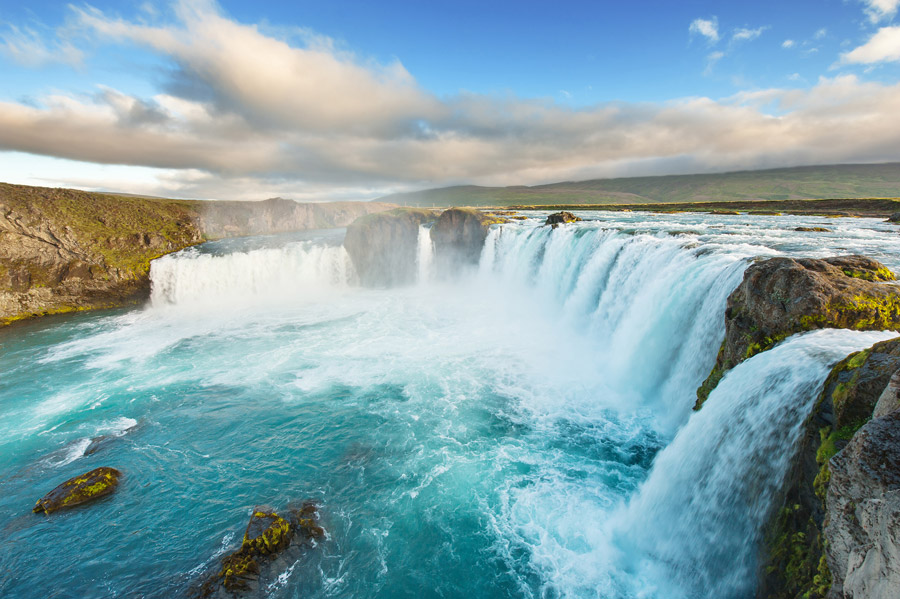
Iceland’s landscapes are shaped by powerful geological forces, making it one of the most visually striking countries on Earth.
The Golden Circle
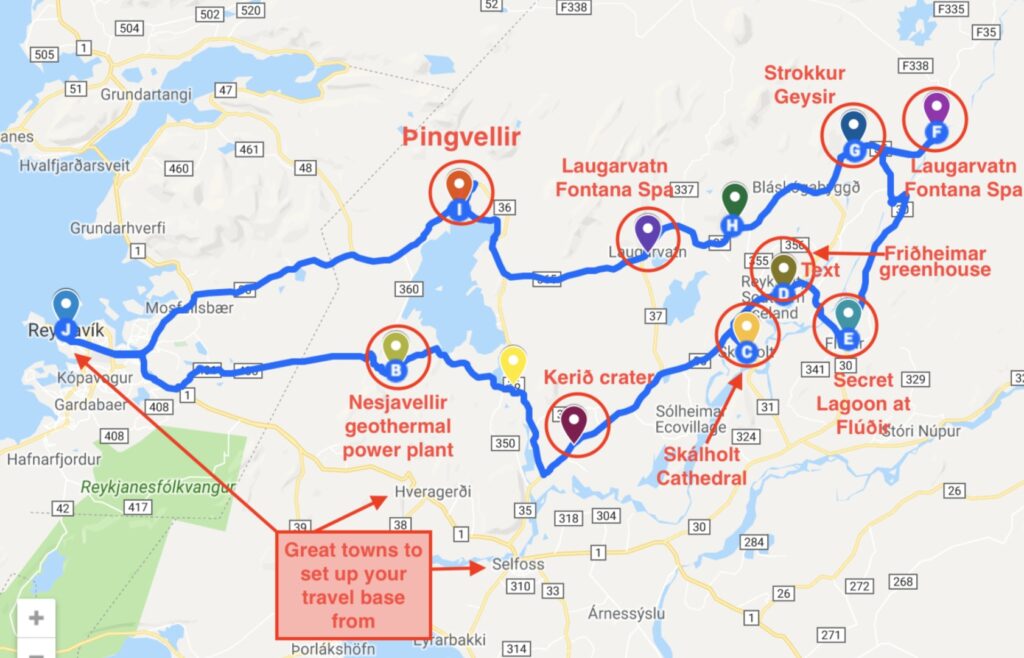
The famous Golden Circle route includes:
- Þingvellir National Park, where the North American and Eurasian tectonic plates meet and where the world’s first parliament was founded
- Gullfoss, a dramatic multi-tiered waterfall
- Geysir Geothermal Area, home to Strokkur, which erupts every few minutes
South Coast Highlights
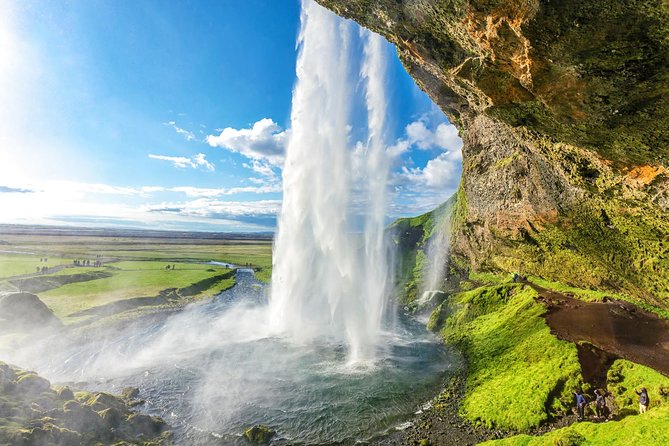
The South Coast features some of Iceland’s most iconic sights:
- Seljalandsfoss and Skógafoss waterfalls
- Reynisfjara Black Sand Beach, known for its basalt columns
- Vatnajökull Glacier, Europe’s largest glacier
- Jökulsárlón Glacier Lagoon, where icebergs drift toward the Atlantic Ocean
Other Notable Regions
- Blue Lagoon, a world-famous geothermal spa
- Landmannalaugar, known for colourful rhyolite mountains and hiking trails
- Lake Mývatn, a geothermal and volcanic region in the north
- Akureyri, Iceland’s northern capital and a popular base for whale watching
Outdoor Activities and Adventure Sports in Iceland
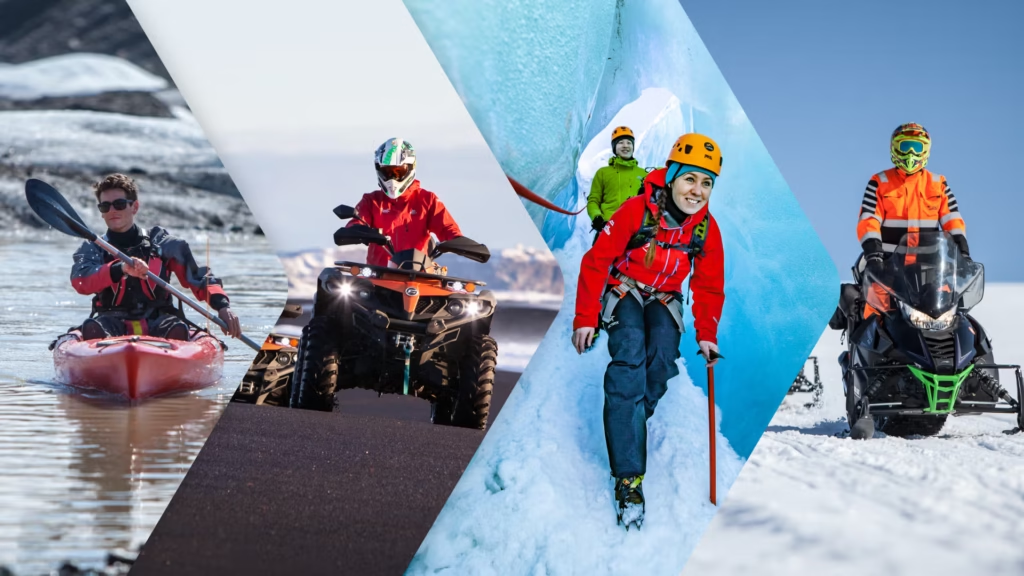
Iceland is a paradise for outdoor and adventure enthusiasts. Popular activities include:
- Glacier hiking and ice climbing
- Snowmobiling across ice caps
- Whale watching and puffin tours
- Hiking trails such as the Laugavegur Trail
- Caving and lava tube exploration
- Skiing and snowboarding in winter resorts like Hlíðarfjall
The country’s rugged terrain and strict environmental protections ensure that adventure activities are both thrilling and responsibly managed.
Northern Lights, Midnight Sun, and Seasonal Wonders
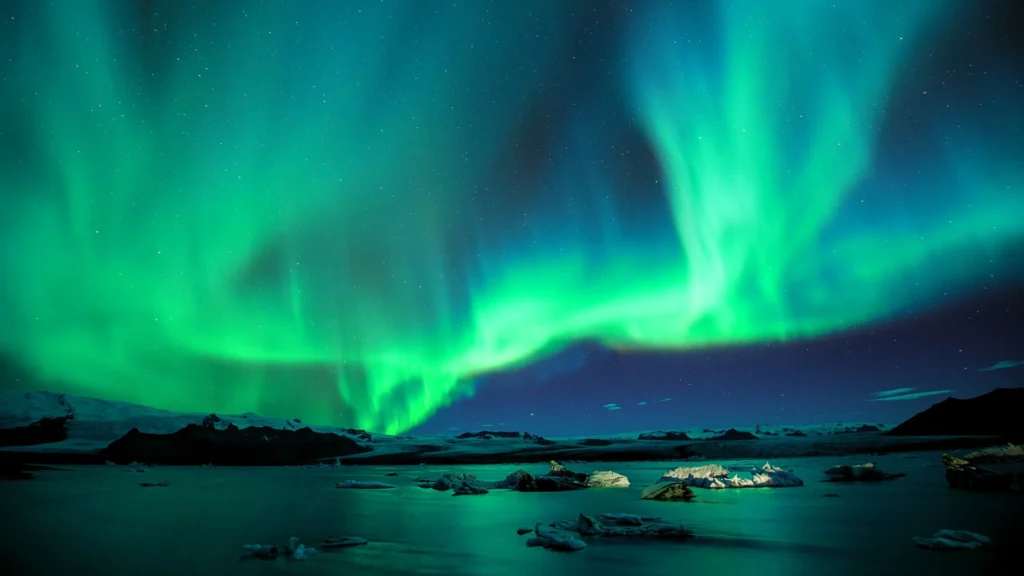
One of Iceland’s biggest attractions is its unique seasonal phenomena:
- Northern Lights (Aurora Borealis):
Visible from late September to early April, best viewed in dark areas with clear skies - Midnight Sun:
From June to August, daylight lasts nearly 24 hours, allowing extended sightseeing and outdoor exploration
These natural events alone make Iceland a bucket-list destination for many travellers.
Best Time to Visit Iceland and Weather Overview
The best time to visit Iceland depends on your travel goals:
- Summer (June–August):
Mild temperatures (10–15°C), long daylight hours, ideal for road trips and hiking - Winter (December–February):
Cold, snowy conditions, perfect for Northern Lights and ice caves, but limited daylight - Spring & Autumn:
Fewer tourists and lower prices, but unpredictable weather
Winter can be challenging for first-time visitors due to road closures and storms, while summer is peak season with higher costs and crowds.
Getting Around Iceland and Travel Distances
Driving is the most flexible way to explore Iceland. The Ring Road (Route 1) circles the island and connects most major attractions.
- Reykjavík to Golden Circle: 120 km (2 hours)
- Reykjavík to Jökulsárlón: 370 km (5–6 hours)
Always allow extra time for weather changes, road conditions, and spontaneous sightseeing stops.
Safety, Driving, and Practical Travel Tips
Iceland is considered one of the safest countries in the world. However, nature can be unpredictable.
- Check weather and road conditions daily
- Avoid off-road driving (illegal and heavily fined)
- Follow local warnings near glaciers, cliffs, and beaches
- Carry travel insurance, especially for outdoor activities
Official Tourism Rules, Visas, and Regulations
Most travellers from the UK, EU, USA, Canada, and Australia do not require a visa for stays up to 90 days. A valid passport is required.
For official and up-to-date travel information, consult these trusted sources:
- Icelandic Tourist Board:
https://www.ferdamalastofa.is - Visit Iceland (Official Tourism Website):
https://www.visiticeland.com - Government of Iceland – Immigration & Entry Rules:
https://www.government.is - SafeTravel Iceland (Weather & Safety Alerts):
https://safetravel.is
These sources are highly recommended for checking entry requirements, road conditions, and safety updates.
Frequently Asked Questions About Iceland
Is Iceland expensive to visit?
Yes, but costs can be managed by booking early, self-catering, and focusing on free natural attractions.
Is Iceland safe for solo travellers?
Absolutely. Iceland consistently ranks as one of the safest countries globally.
What should I pack?
Layered clothing, waterproof jackets, sturdy hiking boots, gloves, hats, and sunglasses regardless of season.
How long should I stay?
A 4–7 day trip covers major highlights. Longer stays allow exploration of the Westfjords or northern regions.
Why Iceland Is a Must-Visit Destination
Iceland is a country where nature feels alive, where glaciers move, volcanoes shape the land, and waterfalls thunder across vast valleys. It offers rare experiences that combine adventure, tranquillity, and raw beauty. With thoughtful planning, respect for nature, and awareness of seasonal conditions, Iceland delivers an unforgettable journey unlike anywhere else on Earth.
Content Disclaimer
This article is written for informational purposes based on research, publicly available data, and original structuring. We aim to provide accurate and helpful travel guidance. Images used are royalty-free or belong to their respective owners.