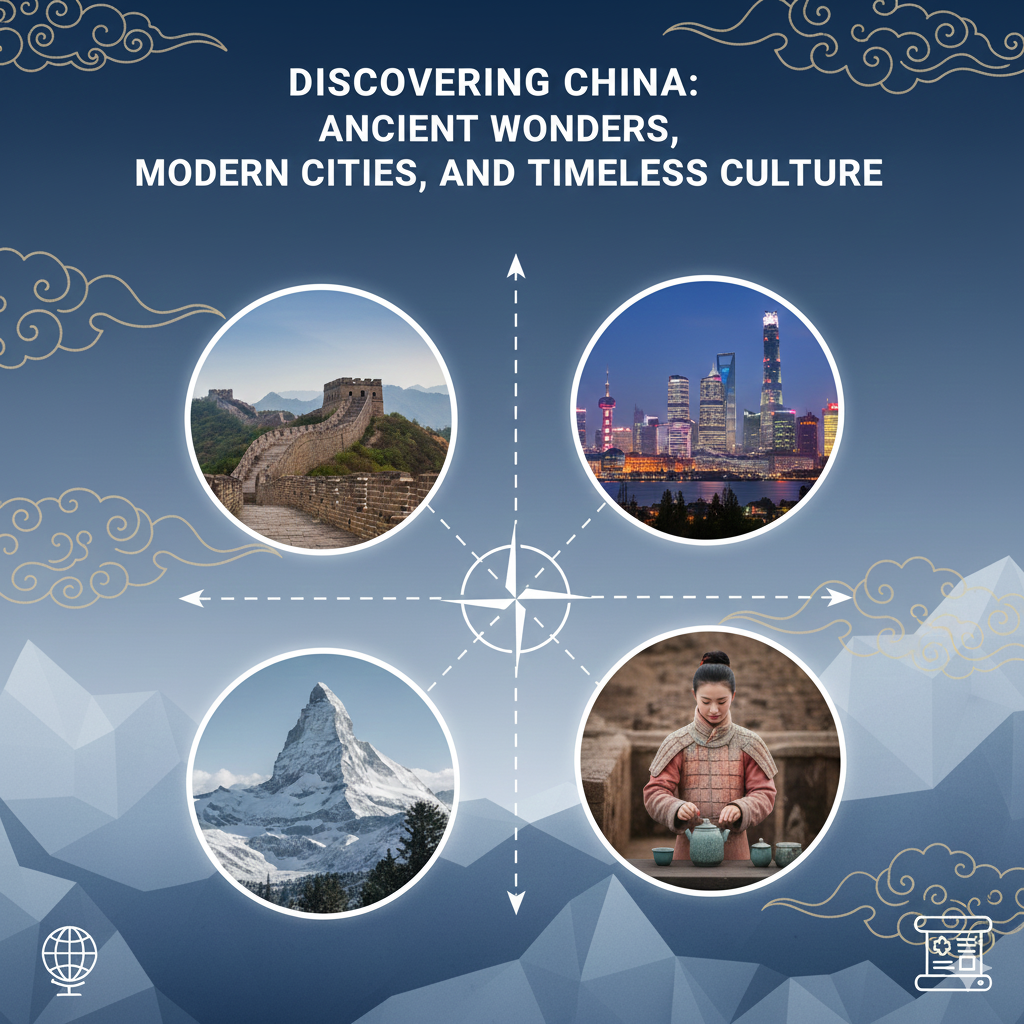
China is one of the world’s most fascinating travel destinations, offering an extraordinary blend of ancient history, rich culture, and rapid modern development. As one of the oldest continuous civilizations on Earth, China attracts travellers with iconic landmarks, diverse landscapes, vibrant cities, and deeply rooted traditions. From historic imperial palaces to cutting-edge skylines, a journey through China reveals contrasts that few countries can match.
Planning a trip to China requires understanding its major attractions, transportation systems, seasonal weather patterns, costs, safety considerations, and official travel regulations. With proper preparation, visiting China can be both rewarding and surprisingly accessible.
Iconic Landmarks and Natural Wonders in China

When I think of China, I’m instantly transported to a land of incredible contrasts—ancient history blending seamlessly with modern innovation, tranquil landscapes alongside bustling cities, and a culture that’s both deeply rooted and constantly evolving. My journeys through China have been some of the most memorable adventures I’ve ever had, and I can honestly say that the country’s iconic landmarks and vibrant cities have a way of capturing your heart and imagination.
The Great Wall: A Wonder That Stands the Test of Time
No trip to China feels complete without a visit to the Great Wall. Stretching over 13,000 miles—yes, miles!—it’s the most recognisable symbol of China’s rich history and engineering prowess. I remember my first time walking along the Wall at Badaling, one of the most popular sections near Beijing. The restored pathways made it accessible, but standing there, gazing out over the rugged landscape, I was struck by the sheer scale and ingenuity of this ancient construction.
What’s truly fascinating about the Great Wall is that it isn’t just a single structure; it’s a series of walls, fortifications, and watchtowers built over centuries. It’s a place where history comes alive, and every stone tells a story. Visiting at sunrise or late afternoon enhances the experience—the soft light makes the Wall glow, and the crowds are thinner, giving you a more personal encounter with this marvel.
For those venturing for the first time, Mutianyu offers a scenic, less crowded experience and even has a cable car if you prefer to enjoy the views without the climb. I’ve hiked sections of the Wall myself, and I can tell you, it’s a physically demanding but incredibly rewarding experience. Be prepared with sturdy shoes, plenty of water, and patience—you’ll want to take your time soaking in the views and the history.
The Forbidden City: Imperial Majesty in the Heart of Beijing
Walking into the Forbidden City is like stepping into a different era. For nearly five centuries, it was the home of Chinese emperors, a place of power, grandeur, and mystique. I’ve visited this sprawling complex a few times, each visit revealing something new—delicate dragon carvings, vast courtyards, and ornate halls that whisper stories of dynasties past.
Today, it’s a captivating museum showcasing traditional Chinese architecture, priceless artefacts, and centuries of imperial history. I recommend arriving early to beat the crowds and give yourself time to explore its labyrinth of buildings. The intricate details of the roofs and walls are breathtaking, and standing amidst the ancient halls, you feel connected to a civilisation that shaped much of East Asia.
Nature’s Masterpieces: Zhangjiajie & the Li River
For nature lovers, China offers some of the most stunning landscapes you’ll ever see. Zhangjiajie National Forest Park, in Hunan Province, is a place that truly took my breath away. Its towering sandstone pillars, shrouded in mist, inspired the floating mountains in the film Avatar. I spent hours wandering along its trails, crossing glass skywalks that cling to the cliffs, offering jaw-dropping views of the dramatic landscape.
Further south, the Li River cruise between Guilin and Yangshuo is a must-see. Imagine gently drifting along a river flanked by lush, limestone karst mountains that seem to rise straight out of a traditional Chinese ink painting. The scenery is so tranquil and surreal that it’s hard to believe this is real. Passing through riverside villages and rice terraces, I often felt like I was on a living postcard.
Exploring China’s Vibrant Cities
China’s cities are the heartbeat of the country—each with its own personality and stories to tell.
Beijing, the capital, is a city of contrasts. Ancient temples and palaces sit alongside modern skyscrapers. I’ve wandered through the vast grounds of the Summer Palace, marvelling at the harmonious blend of natural beauty and imperial architecture. Tiananmen Square’s imposing presence is humbling, and the nearby street markets offer everything from traditional snacks to contemporary art.
Shanghai is where China’s future is on display. The skyline along the Bund is legendary—think shimmering towers like the Shanghai Tower and the Oriental Pearl Tower. I love strolling along the historic waterfront at sunset, watching the city’s lights flicker on. Inside, the city buzzes with energy, from high-end shopping districts to bustling night markets.
Xi’an is a treasure trove of history, home to the famous Terracotta Army. Seeing thousands of life-sized clay soldiers guard the tomb of China’s first emperor, Qin Shi Huang, was a surreal experience. The level of detail and scale is mind-blowing. I spent hours exploring the museum and the ancient city walls, imagining the grandeur of a city that was once the eastern end of the Silk Road.
Chengdu, in Sichuan Province, is a delight for animal lovers and foodies alike. The giant panda research centres are a highlight—watching these gentle creatures up close is a joy. And the food! Sichuan cuisine is famous for its fiery flavours and bold spices. I still remember my first hotpot—layers of chilli, Sichuan peppercorns, and fresh vegetables—absolutely unforgettable.
Getting Around: Modern Transport, Ancient Efficiency
One of the things I appreciated most about China is its incredible transport network. The high-speed trains connect major cities like Beijing, Shanghai, Chengdu, Xi’an, and Guangzhou efficiently and affordably. I’ve taken journeys that lasted just a few hours, watching the landscape change from urban sprawl to lush countryside.
In cities, the metro systems are fast, clean, and inexpensive—often costing less than £1.50 for a ride. Taxis and ride-hailing apps like Didi are widely available, but I always kept a note of my destination in Chinese characters for convenience.
When to Visit China
Timing is everything in China. I’ve found the best months to visit are April to June and September to November, when the weather is mild and the air quality improves. Summers can be scorchingly hot—especially in the south—often exceeding 35°C, so packing light clothes and sun protection is essential.
Winter in the north can be freezing, particularly in Beijing and Harbin, but the southern regions like Yunnan and Hong Kong remain relatively mild. Visiting during Chinese New Year is a cultural feast—festivals, fireworks, and parades fill the streets—but be prepared for crowded transport and higher prices.
Budgeting and Costs
Compared to many Western destinations, China is surprisingly affordable. Street food stalls serve delicious meals for just £2–£5, and major attractions often charge between £5–£15 for entry. Accommodation varies: budget hostels start at around £10–£20 per night, while mid-range hotels cost £30–£70.
Of course, prices fluctuate depending on the city and season. Major cities like Beijing and Shanghai tend to be more expensive than smaller towns, but overall, China offers incredible value.
Staying Safe and Smart
China is generally a safe country for travellers. Standard precautions, like safeguarding valuables in crowded areas and avoiding poorly lit streets at night, are wise. Carrying copies of your passport and visa, using bottled water, and eating freshly cooked food will keep you healthy.
Learning some basic Mandarin phrases or downloading a translation app can really enhance your experience. Most locals are eager to help and appreciate your efforts to communicate in their language.
Personal Tips and Final Thoughts
On my trips, I’ve found that flexibility and patience are key. While guided tours are fantastic for understanding historical sites, I also love wandering off the beaten path—discovering quiet temples, local markets, and hidden alleyways that reveal the true spirit of China.
If you’re planning your first visit, start with the iconic landmarks—like the Great Wall, the Forbidden City, and the Terracotta Army—and then explore the lesser-known gems. Each place offers a glimpse into China’s complex history and vibrant present.
That’s China in a nutshell—an immense, diverse country full of stories waiting to be discovered. Whether you’re marveling at ancient marvels, indulging in spicy cuisine, or exploring futuristic skylines, China has a way of leaving a lasting impression. Just remember to pack your curiosity, patience, and sense of adventure—you’ll need all three for this incredible journey.
For official and up-to-date information, refer to these trusted sources:
- China National Immigration Administration:
https://en.nia.gov.cn - Ministry of Foreign Affairs of the People’s Republic of China:
https://www.fmprc.gov.cn - China Tourism Official Website:
https://www.travelchina.gov.cn - Chinese Embassy and Consulate Directory:
https://www.fmprc.gov.cn/eng/wjb_663304/zwjg_665342
Travellers should always check visa requirements, entry rules, and health regulations before booking flights.
Frequently Asked Questions
What are the most famous landmarks in China?
China is home to many iconic landmarks, including the Great Wall of China, the Forbidden City, the Terracotta Army, and the Li River.
Is it safe to travel to China?
Yes, China is generally safe for tourists, especially in major cities. However, it’s important to follow local safety guidelines and be aware of your surroundings.
Do I need a visa to visit China?
Most visitors to China require a visa, but the process can vary depending on your nationality. Many countries are eligible for e-Visa or visa-on-arrival options.
What is the best time to visit China?
The best time to visit China is typically from April to June and September to November when the weather is mild, and air quality is better.
How do I get around in China?
China has an extensive and efficient transportation network, including high-speed trains, subways, buses, and ride-hailing apps like Didi.
What is China’s official language?
The official language of China is Mandarin Chinese, but many regions also speak local dialects.
Is it easy to communicate in China if I don’t speak Chinese?
In major cities like Beijing, Shanghai, and Guangzhou, English is increasingly spoken, especially in tourist areas. Using translation apps can also help.
What currency is used in China?
The currency in China is the Chinese Yuan (CNY), also called Renminbi (RMB).
What are some must-try dishes in China?
China’s cuisine is incredibly diverse, but some popular dishes include Peking duck, Dim Sum, Hotpot, Sichuan spicy noodles, and mooncakes.
Are there any cultural customs I should be aware of in China?
Yes, it’s respectful to address elders politely, avoid tipping in most places, and follow local customs around gestures and attire, especially at religious sites.
Can I drink tap water in China?
It’s recommended to drink bottled or filtered water in China, as tap water is not safe for consumption.
What is the main religion in China?
China has a mix of religions, including Buddhism, Taoism, Confucianism, and Christianity, with many people practicing traditional Chinese spiritual practices.
Are there any health precautions I should take before visiting China?
Make sure your routine vaccines are up to date, and consider carrying medication for travel sickness or minor ailments. Also, monitor air quality alerts.
How long does it take to travel from Beijing to Shanghai in China?
The high-speed train between Beijing and Shanghai takes around 4.5 to 6 hours, making it a quick and comfortable option to travel between these major cities.
What is the cultural significance of the Great Wall of China?
The Great Wall symbolises China’s historical strength and resilience, and it was built primarily for defence purposes over centuries.
Are shopping and souvenirs good in China?
Absolutely! China offers a wide range of souvenirs, from silk and tea to traditional handicrafts and modern electronics, especially in markets like Beijing’s Silk Street or Shanghai’s Nanjing Road.
What should I know about Chinese etiquette?
Politeness and respect are very important. For example, giving and receiving something with both hands, avoiding public displays of anger, and respecting elders are common customs.
Is China environmentally friendly for tourists?
China has made efforts to improve environmental standards, but pollution can still be an issue in some cities. Check air quality reports and plan accordingly.
Can I use my credit card in China?
Credit cards are accepted in many places, but cash is still widely used, especially in rural areas. It’s wise to carry some cash and have a mobile payment app like WeChat Pay or Alipay set up if possible.
What kind of clothing should I pack for China?
Pack comfortable, lightweight clothes for summer, warm layers for winter, and some modest attire for visiting temples or religious sites.
Are there any language barriers I should prepare for in China?
While English is spoken in some tourist areas, outside of major cities, language barriers can exist. Learning basic Mandarin phrases or using translation apps helps a lot.
What are the main festivals celebrated in China?
Chinese New Year (Spring Festival), the Mid-Autumn Festival, and Dragon Boat Festival are some of the most important cultural celebrations.
How can I experience authentic Chinese culture?
Visit local markets, participate in traditional festivals, try regional cuisines, and explore historical sites beyond the main tourist attractions.
Is shopping in China affordable?
Yes, China offers everything from luxury brands to budget markets, often at a fraction of Western prices, especially in places like Guangzhou and Yiwu.
How do I stay connected in China?
Most travellers use SIM cards from local providers or Wi-Fi hotspots. Downloading a VPN beforehand can also help access blocked sites.
Are there any safety concerns in rural China?
Rural areas are generally safe, but infrastructure may be less developed. Travel with a guide if you’re unfamiliar with the region.
What should I know about tipping in China?
Tipping is not customary and can even be considered rude in some places, though it’s becoming more common in hotels and high-end restaurants.
Why is China considered a must-visit country?
China’s rich history, diverse landscapes, vibrant culture, and modern cities make it an endlessly fascinating destination that offers something for every traveller.
Final Thoughts
China is a destination of remarkable depth and diversity, where ancient traditions coexist with modern innovation. Whether walking along the Great Wall, cruising the Li River, exploring bustling city streets, or discovering regional cuisines, travellers are rewarded with unforgettable experiences.
With thoughtful planning around visas, weather, transportation, and official regulations, visiting China can be both smooth and enriching. It is a country that challenges expectations and leaves a lasting impression long after the journey ends.
Content Disclaimer
This article is written for informational purposes based on research, publicly available data, and original structuring. We aim to provide accurate and helpful travel guidance. Images used are royalty-free or belong to their respective owners.