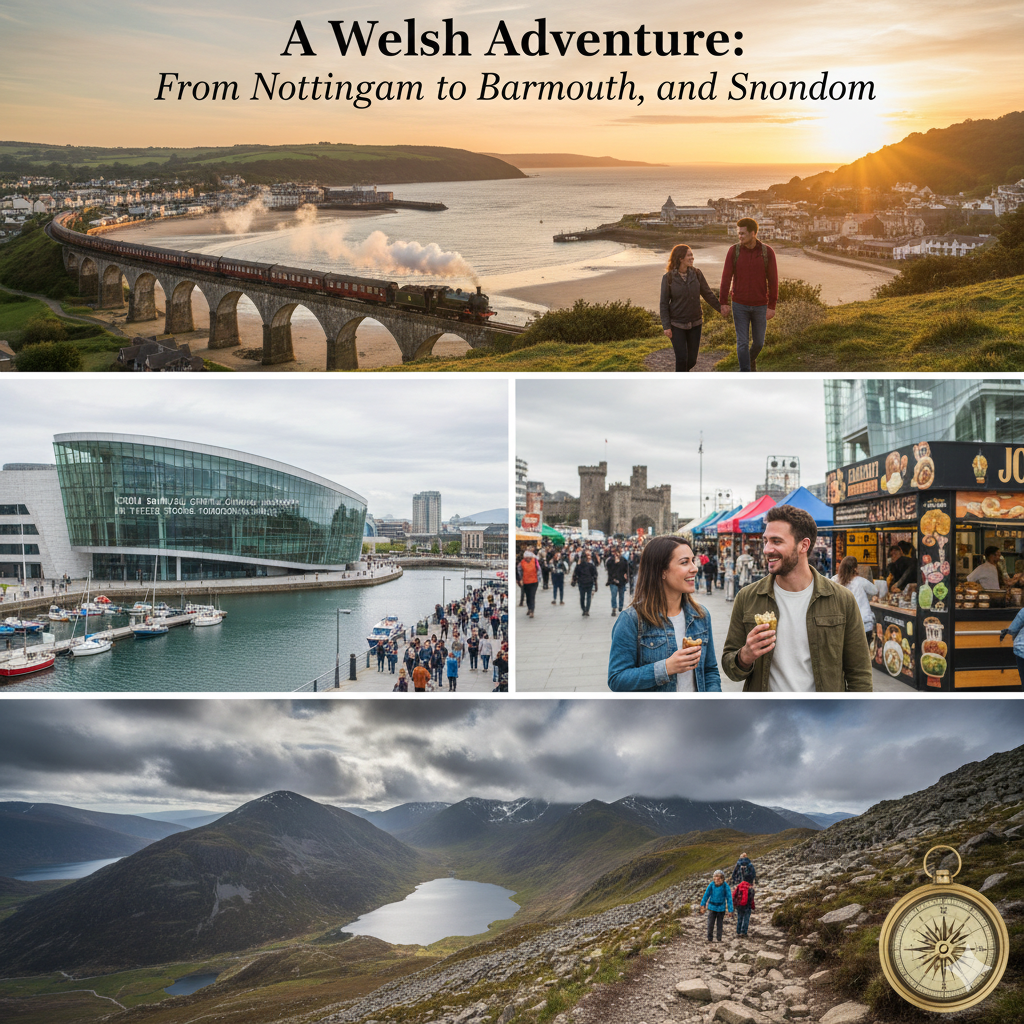

Wales has always been at the top of our travel list, with its stunning landscapes, rich history, and friendly atmosphere. This year, we decided to embark on a series of trips, all starting from our base in Nottingham. We travelled mainly by car, which gave us the flexibility to explore at our own pace and carry everything we needed, including our beloved dog. Our journeys took us across the border to discover the best of Wales’ beaches, cities, and mountains. Here’s a detailed account of each trip, complete with travel tips, places to stay, and how to make the most of your Welsh holiday.
Day Trip to Barmouth: Seaside Charm and Dog-Friendly Beaches
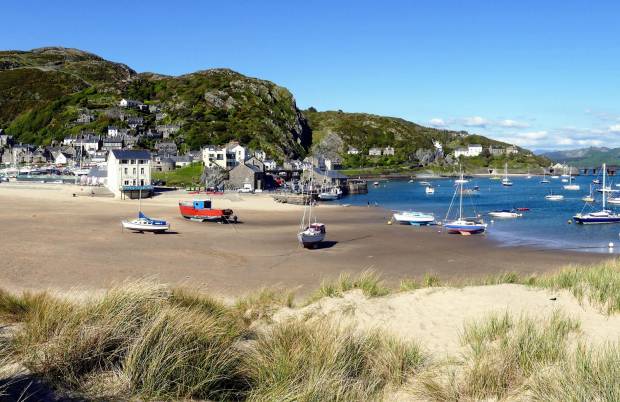
Our first adventure was a day trip to Barmouth, a picturesque coastal town nestled on the north-west coast of Wales. We set off early from Nottingham, leaving around 7 am to beat the traffic. The drive took approximately 4 hours via the M1, A50, and then the A55, with lovely scenic stops along the way in the Midlands and North Wales. We packed plenty of snacks, water, and our dog’s essentials, making sure everyone was comfortable for the long day ahead.
Once in Barmouth, we parked at the main town car park near the beach (£5 for the day), then headed straight for the expansive sandy shoreline. The beach is famous for its vast, clean sands and shallow waters, making it ideal for dogs to run and play freely. Our dog loved the freedom to explore, and we enjoyed strolling along the promenade, taking in views of the estuary and the mountains beyond. Dogs are permitted on the beach all year, but during the summer months, certain sections are designated as dog-free for nesting birds, so it’s worth checking local signage.
For lunch, we visited the Harbour Inn, a welcoming pub just a short walk from the beach. The outdoor terrace was dog-friendly, and we enjoyed a hearty Welsh lamb stew (£12) and a couple of local ales (£4.50 each). The pub was cosy and filled with locals, which added to the authentic Welsh seaside experience. After lunch, we wandered through the charming streets lined with gift shops, galleries, and ice-cream stalls.
In the afternoon, we explored the Mawddach Trail, a scenic walking route perfect for dogs and families. The flat, well-maintained path follows the estuary and offers breathtaking views of the mountains and waterways. It’s accessible from the town and is free to use. We returned to our car around 5 pm, happy and tired from a full day of seaside fun.
For our overnight stay, we chose the Barmouth Bay Holiday Park, which offered dog-friendly self-catering lodges with modern amenities. The cost was approximately £85 per night, including Wi-Fi and a fully equipped kitchen. The park’s location close to the beach and town centre made it ideal for our needs. We enjoyed a peaceful night listening to the waves and planning our next Welsh adventure.
Night Out in Cardiff: City Lights, Pubs, and Welsh Charm
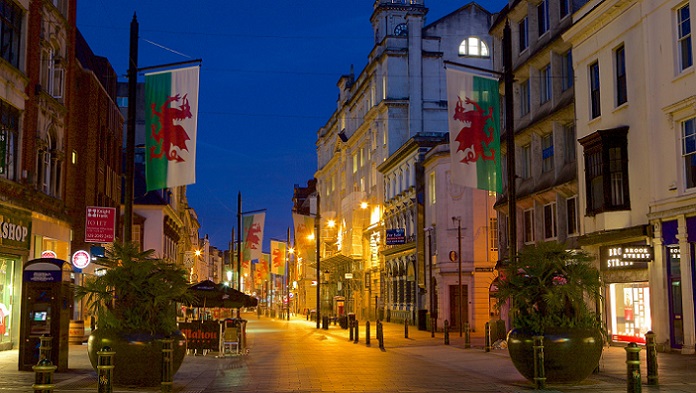
A few weeks later, we headed south to Cardiff for a lively weekend with friends. We left Nottingham around 8 am, driving straight down the M6, M54, and then the M5, which took about 3 hours. The city centre is well-connected by car, but we opted to find a hotel with parking included to avoid stress.
Our base was the Park Plaza Cardiff, a comfortable four-star hotel centrally located. It cost us about £120 per night for a double room with breakfast included. The hotel was dog-friendly, with a small surcharge of £20, and welcomed our furry companion with a bowl of water and a treat. For exploring Cardiff, we relied on walking and occasional taxis, as the city centre is quite compact and very walkable.
Our favourite pubs in Cardiff are the City Arms and the Dead Dog. The City Arms offers a cosy, traditional atmosphere with a good selection of local ales, costing around £4-£6 per pint. It’s a great spot for relaxing after sightseeing. The Dead Dog is a lively, eclectic bar famous for its craft beer selection and vibrant music scene, with pints costing similar amounts. We also enjoyed bar hopping along Mill Lane, where quirky pubs and lively bars provide a fantastic nightlife experience.
For dinner, we splurged at The Potted Pig, housed in a historic bank vault. Main courses ranged from £15-£20, featuring Welsh beef and locally sourced ingredients. We rounded off the night with cocktails at the stylish Potted Pig bar, usually about £8 each. The next day, we visited Cardiff Castle, which is easily accessible and dog-friendly in the outdoor areas. Entry was around £16 per adult, but the history and architecture are well worth it.
Our weekend in Cardiff was vibrant and full of culture, good food, and warm Welsh hospitality. The city’s mix of historic sites and modern entertainment made it a perfect short city break.
Snowdon Weekend: Conquering Wales’ Highest Peak

Our final trip was a weekend-long adventure to Snowdonia National Park, home to Snowdon, the highest mountain in Wales. Leaving Nottingham early on a Friday morning, we drove via the M6 and A55, a journey of about 4.5 hours. We stayed in Llanberis, a charming village at the foot of Snowdon, where many accommodation options are dog-friendly and suitable for families.
We booked a cosy cottage at Dolafon Farm, costing around £150 for two nights. The cottage was charming, with a fully equipped kitchen and a lovely garden for the dog. From Llanberis, we could easily access the mountain trails and local amenities.
Getting around Snowdonia by car is straightforward, with ample parking at the base of the mountain. The Llanberis Path is the most popular route for reaching the summit, and it’s suitable for children and dogs. We set off early Saturday morning, equipped with waterproofs, sturdy boots, and plenty of water. The climb took us about 4 hours to reach the top, where the views of the surrounding peaks and valleys are truly awe-inspiring.
Dogs are welcome on the mountain, but should be kept on leads, especially near the summit, and visitors should be prepared for changing weather conditions. For safety, we checked the weather forecast beforehand, as mountain weather can be unpredictable.
After our climb, we relaxed in Llanberis, exploring local cafes and enjoying hearty Welsh stews (£10-£12). The drive back to Nottingham on Sunday took about 4.5 hours, but we stopped at picturesque villages like Betws-y-Coed to stretch our legs and enjoy some Welsh cakes.
Exploring Wales’ Most Famous Landmarks and Monuments
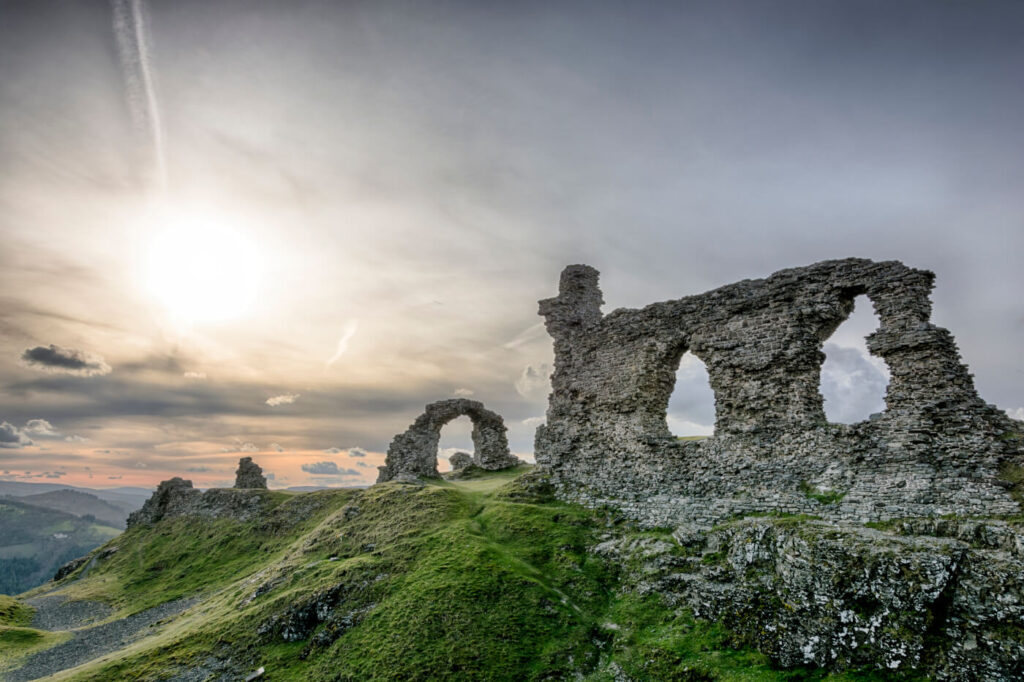
Wales is packed with landmarks that everyone should see at least once. Caernarfon Castle, a UNESCO World Heritage Site, is a stunning medieval fortress with impressive walls and towers. Conwy Castle, another UNESCO site, offers a walk along its battlements with spectacular views. Portmeirion, a colourful Italianate village designed by Sir Clough Williams-Ellis, is a must-visit for its whimsical architecture and gardens. The Millennium Centre in Cardiff is an iconic cultural venue hosting everything from theatre to concerts. The Pembrokeshire Coast National Park is perfect for scenic hikes and spotting wildlife, especially puffins and seals.
How to Travel in Wales: Tips and Recommendations
Most of our trips involved driving, which was the easiest way to get around Wales, especially with a dog and luggage. The roads are generally good, and parking is available in towns and popular sites, though some remote areas or mountain routes may require patience. For city trips, walking is usually best, and public transport options like trains and buses are reliable in urban areas. Many attractions are dog-friendly, but always check specific policies beforehand. Remote mountain trails are generally open to dogs but keep them on leads for safety.
Frequently Asked Questions About Wales
Q: Is Wales dog-friendly?
A: Absolutely. Most beaches, pubs, cafes, and many hotels welcome dogs. Just check specific policies before visiting.
Q: How do I get around Wales without a car?
A: Public transport, including trains and buses, is reliable in cities and popular tourist spots. For remote areas or the mountains, driving is recommended.
Q: Where should I stay in Wales?
A: Options vary from coastal holiday parks (£70-£100 per night) to charming cottages (£120-£180 per weekend), and city hotels (£100-£150 per night).
Q: Are the beaches in Wales suitable for dogs?
A: Yes, most beaches allow dogs year-round, but some may restrict access during breeding seasons.
Q: How much does a typical meal cost?
A: Pub meals are around £10-£15, with some fine dining options slightly more. Drinks range from £3-£6 in pubs.
Q: Can I visit castles with children and dogs?
A: Many castles are suitable with dogs on leads and children, but indoor areas may be restricted.
Q: When is the best time to visit Wales?
A: Late spring (May-June) and early autumn (September-October) offer mild weather and fewer crowds.
Q: Are guided walks available for families and dogs?
A: Yes, local providers offer family-friendly guided hikes in Snowdonia and other parks.
Q: Do I need special gear for mountain hikes?
A: Waterproof clothing, sturdy boots, and plenty of water are essential, especially in unpredictable weather.
Q: Is Wales safe for tourists?
A: Very safe; usual precautions apply, especially on mountain trails and remote areas.
Q: Can I take my dog into restaurants and pubs?
A: Many pubs and cafes are dog-friendly, especially those with outdoor seating.
Q: Are there accessible attractions for disabled visitors?
A: Yes, many sites in Cardiff and major castles are accessible, but check individual accessibility policies.
Q: What is the cost of petrol in Wales?
A: It’s similar to the UK average, around £1.50-£1.60 per litre.
Q: Are there any must-try Welsh foods?
A: Yes, Welsh cakes, bara brith, cawl (stew), and local cheeses.
Q: Is it worth visiting Portmeirion?
A: Definitely, it’s a unique and colourful village offering fantastic photo opportunities.
Q: What’s the best way to see Snowdonia?
A: Drive to key spots like Llanberis, then hike or take the mountain railway for easier access.
Q: Can I enjoy Wales on a budget?
A: Yes, with camping, self-catering, and free attractions like beaches and hikes, Wales is very budget-friendly.
Q: Why should I visit Wales?
A: Because of its stunning landscapes, welcoming atmosphere, rich history, and endless adventures.
Got a question that hasn’t been answered? Contact us via the Contact Us page or email info@journeygems.co.uk
Wales remains one of the most enchanting regions in the UK, offering a perfect blend of natural beauty, history, and warm Welsh hospitality. Whether you’re exploring beaches with your dog, enjoying lively city nights, or conquering mountain peaks, Wales will leave you eager to return.