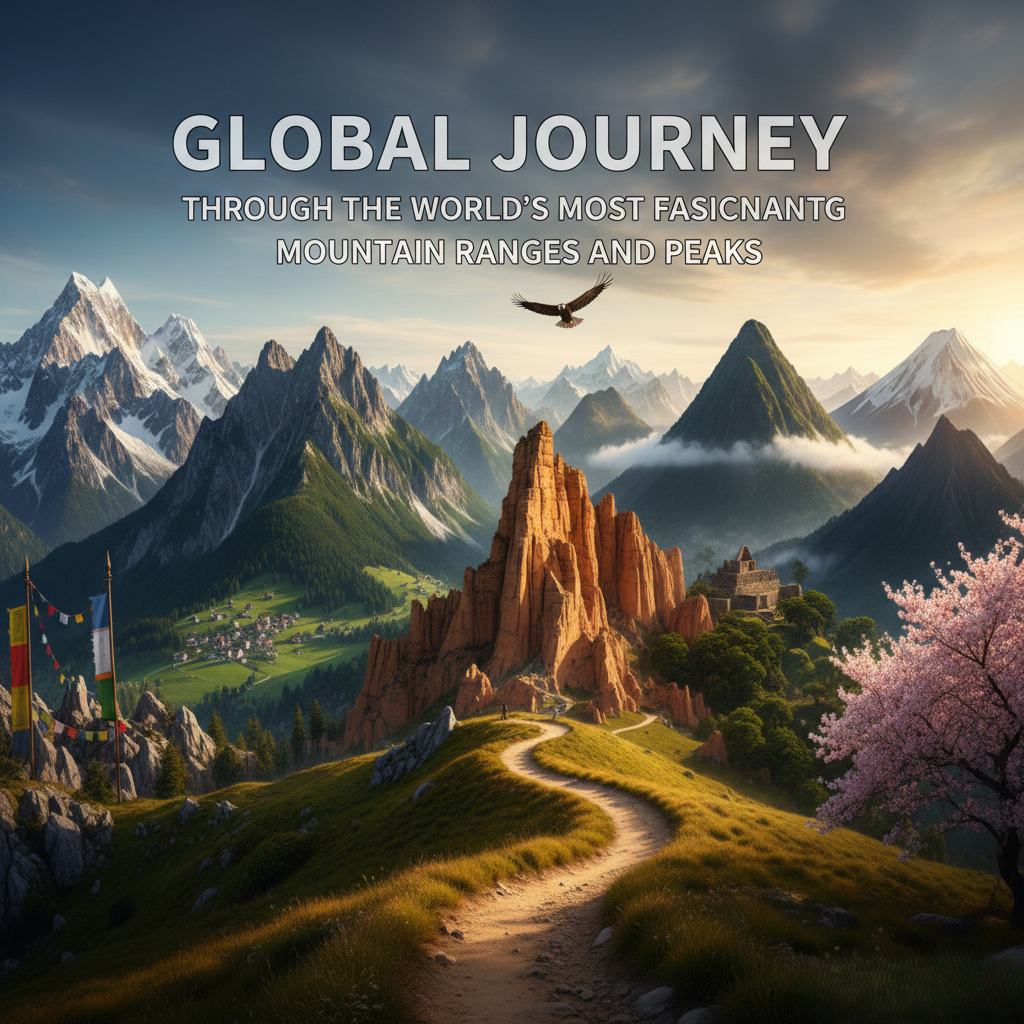
Mountains have always stirred something deep within us. They represent challenge, resilience, peace, and wonder all at once. From towering peaks that push human endurance to its limits, to rolling ranges that invite quiet reflection, mountains shape cultures, inspire explorers, and reward those who approach them with respect.
Whether you dream of standing on a legendary summit, hiking through scenic valleys, or simply admiring dramatic landscapes, understanding the character of each mountain range helps you choose the adventure that suits you best. Let’s take a journey across the globe to explore some of the world’s most remarkable mountain ranges and peaks—looking at what makes them special, how people experience them, and the hidden treasures they hold.
The Himalayas: Home of the World’s Highest Peaks
Overview
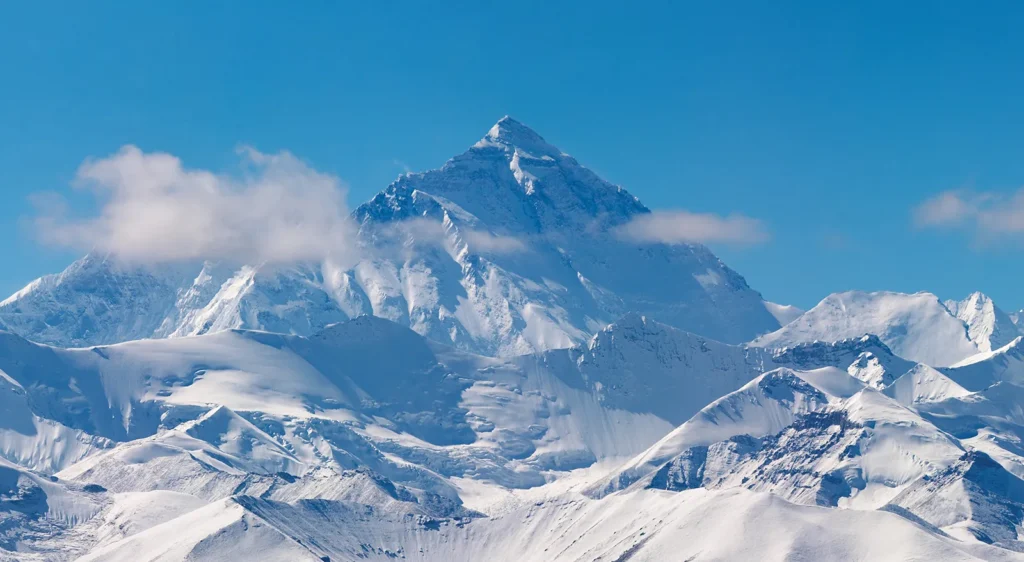
Stretching across Nepal, India, Bhutan, China, and Pakistan, the Himalayas are the highest mountain range on Earth. They are home to Mount Everest, the tallest peak in the world at 8,848 metres, along with many of the planet’s most dramatic landscapes. Beyond their physical scale, the Himalayas hold deep spiritual importance, with sacred mountains, monasteries, and pilgrimage routes woven into daily life.
Climbing Mount Everest
Climbing Everest is one of the most demanding mountaineering challenges on Earth. The two main routes, the South Col route in Nepal and the North Face route in Tibet, require months of preparation and weeks on the mountain. Climbers typically spend 6–8 weeks acclimatising, moving between camps to allow their bodies to adjust to extreme altitude.
The final summit push, usually attempted in May, can take 12–16 exhausting hours in freezing temperatures and thin air. Crossing icy ridges and steep sections like the Hillary Step demands mental strength as much as physical fitness. It’s an expedition that tests patience, planning, and resilience.
Other Peaks and Treks
Not everyone needs to aim for Everest to experience the magic of the Himalayas. Popular treks such as Everest Base Camp, the Annapurna Circuit, and Langtang Valley offer breathtaking scenery without technical climbing. These treks usually take 10–20 days and pass through remote villages, suspension bridges, glaciers, and alpine forests.
Hidden Gems
Beyond the famous routes lie quieter experiences, like the Manaslu Circuit, the peaceful Tsum Valley, or the sacred Mount Kailash, revered by multiple religions. Ancient monasteries perched on cliffs and prayer flags fluttering in the wind add a spiritual depth that makes the Himalayas truly unforgettable.
The Andes: The Longest Mountain Range on Earth
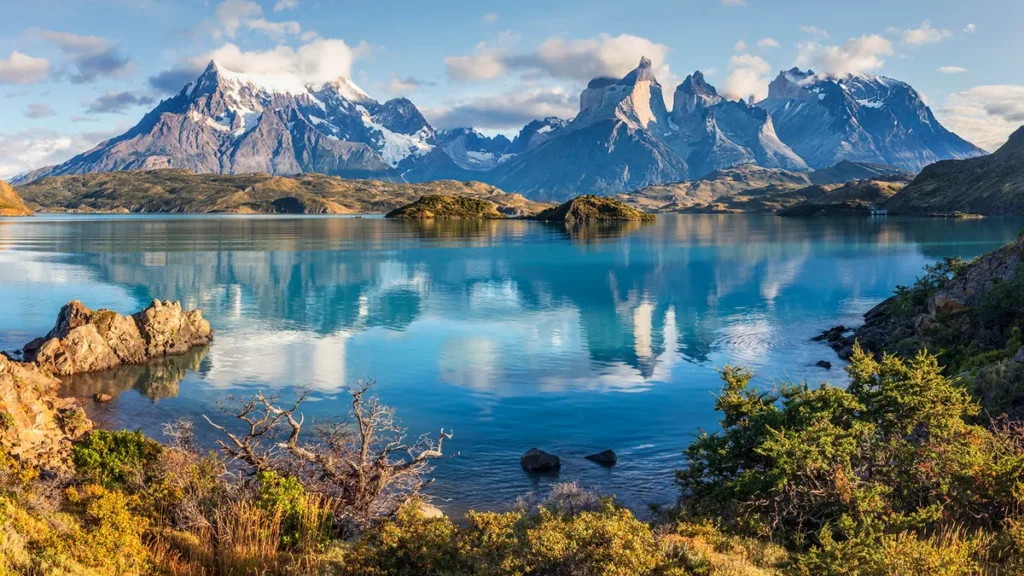
Overview
Running along South America’s western edge for over 7,000 kilometres, the Andes stretch through Argentina, Chile, Peru, Bolivia, Ecuador, and Colombia. This immense range features deserts, rainforests, glaciers, and volcanoes, making it one of the most diverse mountain systems in the world.
Its highest peak, Aconcagua in Argentina, rises to 6,961 metres and is a popular goal for high-altitude climbers.
Climbing Aconcagua
Aconcagua’s normal route is considered non-technical, meaning ropes and advanced climbing skills are not required. However, its extreme altitude and unpredictable weather make it physically demanding. Climbers typically spend 2–3 weeks ascending gradually, resting at base camps to reduce the risk of altitude sickness.
Other Highlights
Peru’s Cordillera Blanca offers stunning snow-covered peaks and glacier treks, while southern Chile and Argentina are dotted with climbable volcanoes like Osorno and Lanín. These regions combine dramatic landscapes with accessible adventures.
Hidden Treasures
From the colourful hills of Purmamarca in Argentina to the jagged towers and turquoise lakes of Torres del Paine National Park in Chile, the Andes are full of lesser-known wonders that reward travellers who venture off the main paths.
The Alps: Europe’s Iconic Mountain Playground
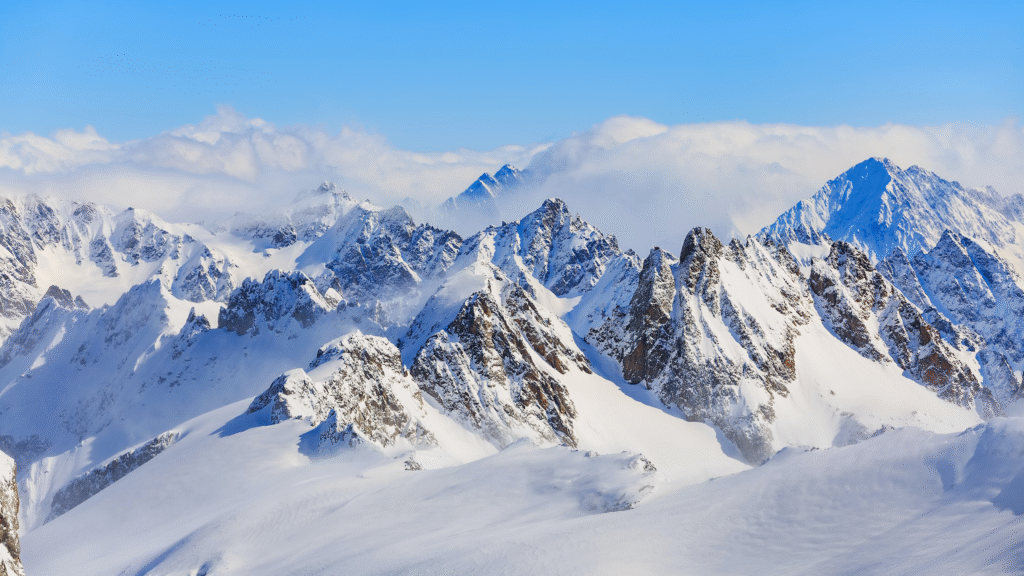
Overview
Spanning eight countries—including France, Switzerland, Italy, and Austria—the Alps are among the most accessible and well-developed mountain ranges in the world. Picturesque villages, scenic trains, and cable cars make alpine adventures possible for visitors of all experience levels.
Climbing Mont Blanc
At 4,808 metres, Mont Blanc is the highest peak in Western Europe. The popular Goûter Route usually takes 1–2 days and involves glacier travel, snow slopes, and scrambling. While not overly technical, basic mountaineering skills and good fitness are essential.
Activities Beyond Climbing
The Alps offer year-round activities, hiking, skiing, mountain biking, via ferrata routes, and lakeside relaxation. Destinations like Chamonix, Zermatt, Lake Geneva, and Lake Como combine natural beauty with rich alpine culture.
Hidden Gems
Less crowded but equally stunning spots include Annecy in France, Grindelwald in Switzerland, and Italy’s Dolomites—a UNESCO World Heritage Site known for dramatic rock formations and lush alpine meadows.
The Rocky Mountains: North America’s Wild Backbone
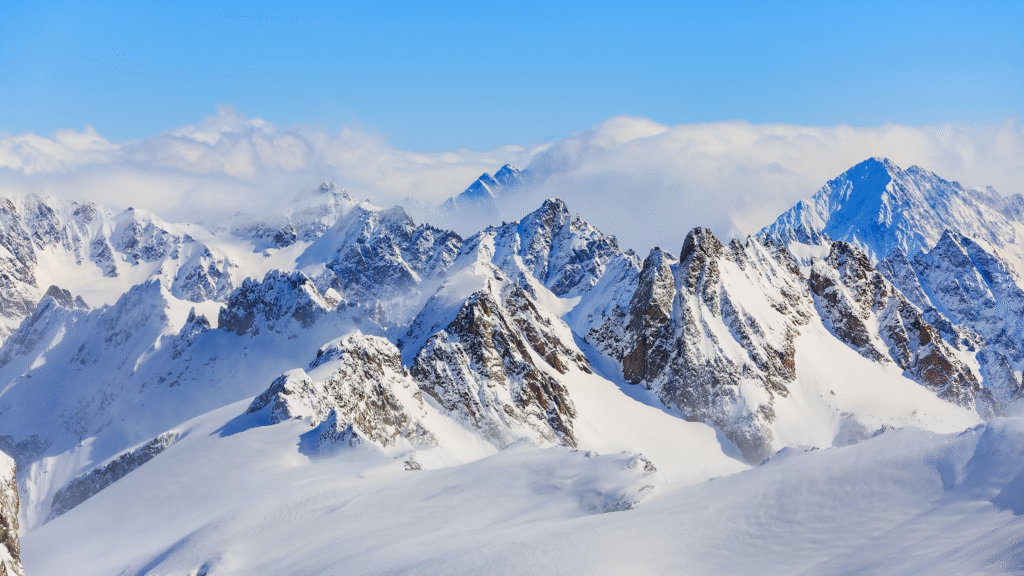
Overview
Stretching from Canada’s Yukon to New Mexico in the United States, the Rocky Mountains are famous for rugged peaks, wildlife, and vast wilderness.
Climbing Mount Elbert
Mount Elbert, Colorado’s highest peak at 4,401 metres, is a straightforward hike for fit adventurers. The most common route takes 4–6 hours round trip and offers expansive views of surrounding ranges.
Other Highlights
Iconic locations like the Maroon Bells, Banff and Jasper National Parks, and Glacier National Park offer endless opportunities for hiking, wildlife spotting, and photography.
The Drakensberg: Southern Africa’s Dramatic Escarpment
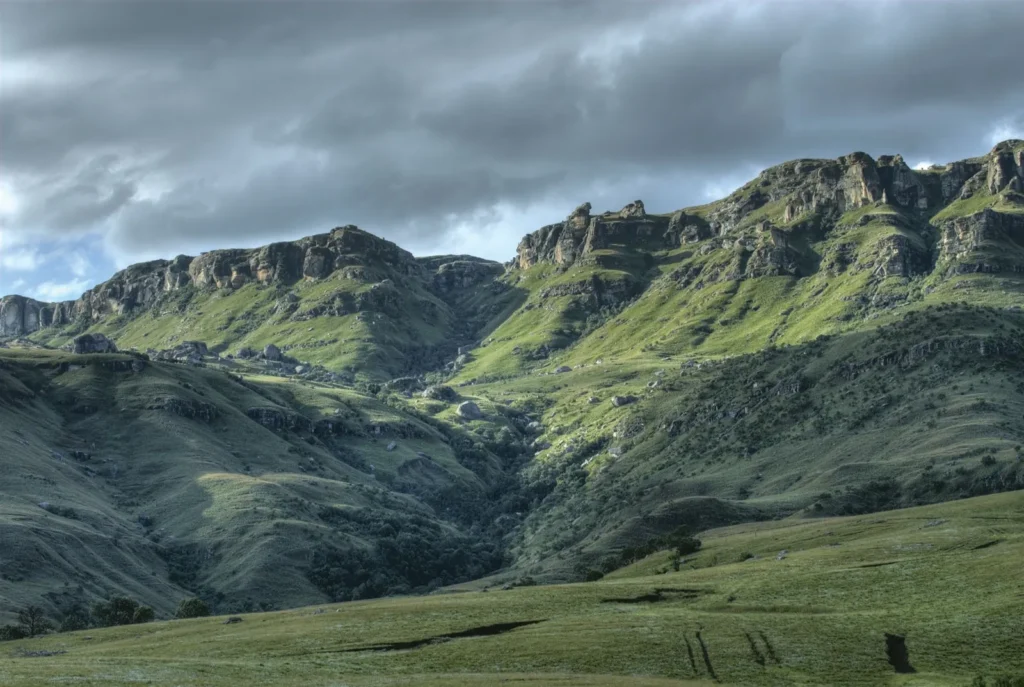
Overview
Located in South Africa and Lesotho, the Drakensberg Mountains feature steep cliffs, rolling plateaus, and deep valleys. The region blends natural beauty with cultural history.
Trekking Experiences
Thabana Ntlenyana, the highest peak, reaches 3,482 metres. Trails range from gentle hikes to multi-day treks. The Amphitheatre, a UNESCO World Heritage Site, is one of the most striking formations in Africa.
Hidden Gems
Ancient San rock art, secluded waterfalls, and quiet valleys add a cultural and historical dimension to the adventure.
Table Mountain and Lion’s Head: Cape Town’s Natural Icons
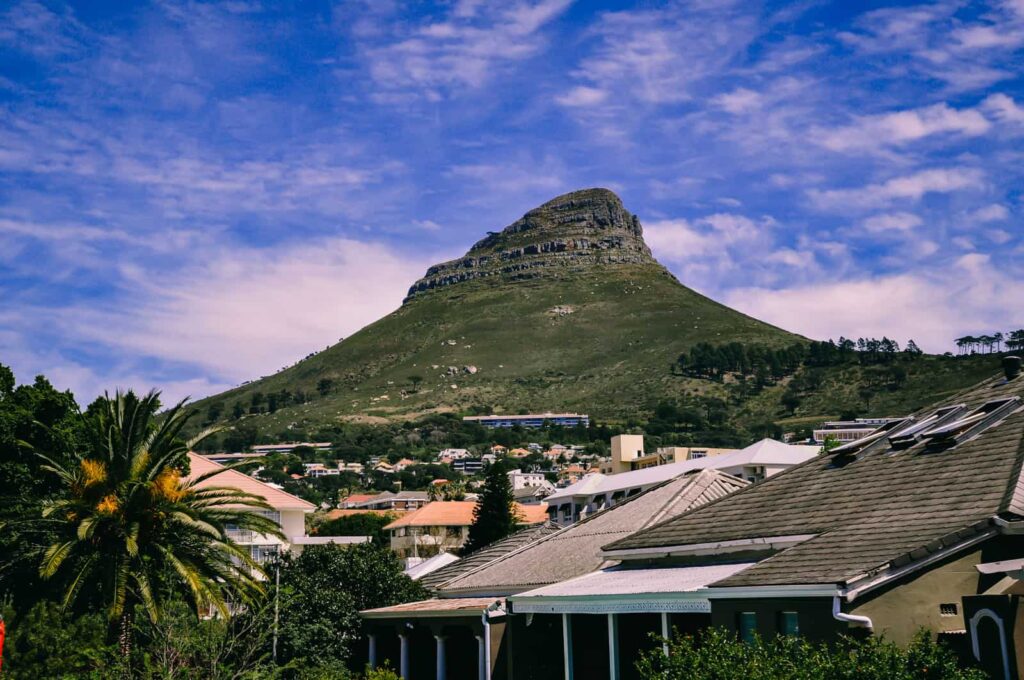
Overview
Overlooking Cape Town, Table Mountain and Lion’s Head offer some of the most accessible and rewarding hikes in the world.
Climbing Options
Platteklip Gorge is the most popular route up Table Mountain, taking around 2–3 hours. For Lion’s Head, a shorter but steeper hike leads to breathtaking sunset views over the city.
Nearby Experiences
Kirstenbosch Botanical Gardens, Signal Hill, and scenic coastal trails complete the experience.
Mount Fuji: Japan’s Sacred Symbol
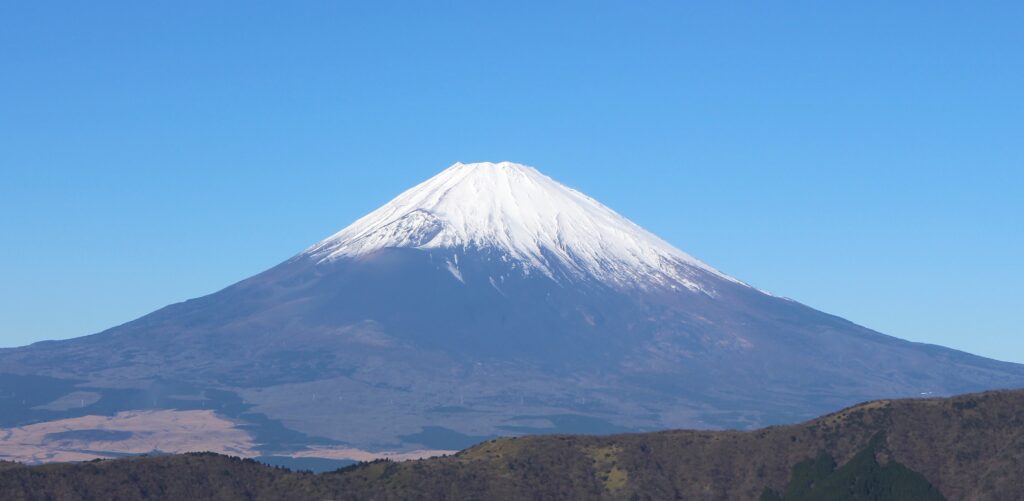
Overview
Mount Fuji, standing at 3,776 metres, is Japan’s tallest and most culturally significant mountain.
Climbing Experience
During the official season (July–September), thousands of climbers ascend via the Yoshida Trail. The climb takes 5–7 hours up and 3–4 hours down, passing mountain huts and volcanic terrain.
Hidden Gems
The Fuji Five Lakes region and nearby hot springs provide peaceful scenery and recovery after the climb.
Planning Your Mountain Adventure
Booking and Preparation
High-altitude or technical climbs usually require licensed guides and advance planning. Easier hikes and treks can often be booked locally or done independently with proper preparation.
Safety and Health
Altitude sickness, weather conditions, and terrain should never be underestimated. Proper acclimatisation, suitable gear, and realistic planning are essential for a safe journey.
Lesser-Known Peaks Worth Exploring
If you prefer fewer crowds, consider the Tatra Mountains, Carpathians, Mongolia’s Altai range, Patagonia’s remote peaks, or Peru’s Cordillera Blanca. These regions offer stunning scenery without the heavy traffic of famous summits.
Final Thoughts
Mountains challenge us physically, inspire us emotionally, and reconnect us with nature in powerful ways. Whether you’re trekking through alpine meadows, climbing a legendary peak, or discovering a quiet mountain valley, each journey leaves a lasting impression.
Prepare wisely, respect the environment, and take the time to truly experience the mountains, because sometimes the greatest rewards are found not at the summit, but along the way.
Common Q&As about Mountain Ranges
- Q: What is the tallest mountain in the Himalayas?
A: Mount Everest is the tallest mountain in the Himalayas, standing at 8,848.86 metres above sea level. - Q: Where are the Alps located?
A: The Alps are located in Europe, spanning France, Switzerland, Italy, Austria, and Germany. - Q: Which country do the Rocky Mountains mainly run through?
A: The Rocky Mountains mainly run through the United States and Canada. - Q: What is the highest peak in the Andes?
A: Aconcagua is the highest peak in the Andes, at 6,959 metres. - Q: Why are the Himalayas considered significant?
A: They contain the world’s highest peaks and form a natural barrier between the Indian subcontinent and Tibet. - Q: What is the main importance of the Ural Mountains?
A: They form the natural boundary between Europe and Asia. - Q: Where are the Atlas Mountains situated?
A: The Atlas Mountains are in North Africa, across Morocco, Algeria, and Tunisia. - Q: Between which two countries are the Caucasus Mountains located?
A: They are between Russia and Georgia. - Q: What mountain range is known for its volcanic activity and hot springs?
A: The Cascade Range in the United States. - Q: Which mountain range stretches across South America?
A: The Andes. - Q: What is the highest point in Africa’s mountain ranges?
A: Mount Kilimanjaro in Tanzania. - Q: Which mountain range forms the border between Canada and the United States?
A: The Rocky Mountains. - Q: What is the name of the mountain range that runs along the western coast of North Africa?
A: The Atlas Mountains. - Q: Which mountain range is famous for its dramatic peaks and is part of the Himalayan mountain system?
A: The Karakoram Range. - Q: Which mountain range is known as the “Roof of the World”?
A: The Himalayas. - Q: Which mountain range is home to Mount McKinley (Denali)?
A: The Alaska Range in the United States. - Q: What mountain range connects to the Himalayas in the south?
A: The Hindu Kush mountain range. - Q: Which mountain range is known for its unique limestone peaks called “karst formations”?
A: The Dolomites in Italy. - Q: The mountain range that forms the boundary between Europe and Asia is called what?
A: The Ural Mountains. - Q: Where are the Andes primarily located?
A: Along the western coast of South America. - Q: Which mountain range is the highest in Europe?
A: The Alps. - Q: Which mountain range extends from Turkey to Iran?
A: The Zagros Mountains. - Q: What mountain range is famous for the Matterhorn peak?
A: The Alps. - Q: The mountain range that runs through New Zealand is called what?
A: The Southern Alps. - Q: Which mountain range in Africa is known for its volcanic activity and the presence of Mount Kenya?
A: The East African Rift Mountains. - Q: Which mountain range is known for the iconic peak, Mount Elbrus?
A: The Caucasus Mountains. - Q: What is the primary geological feature of the Appalachian Mountains?
A: They are a folded mountain range formed from ancient tectonic activity in North America. - Q: Which mountain range is famous for the Machu Picchu archaeological site?
A: The Andes. - Q: The mountain range that runs along the eastern border of California is called what?
A: The Sierra Nevada. - Q: Which mountain range is known for its dramatic fjords and glaciers in Norway?
A: The Scandinavian Mountains.
Got a question that hasn’t been answered? Contact us via the Contact Us page or email info@journeygems.co.uk