Norway isn’t just beautiful, it’s dramatic.
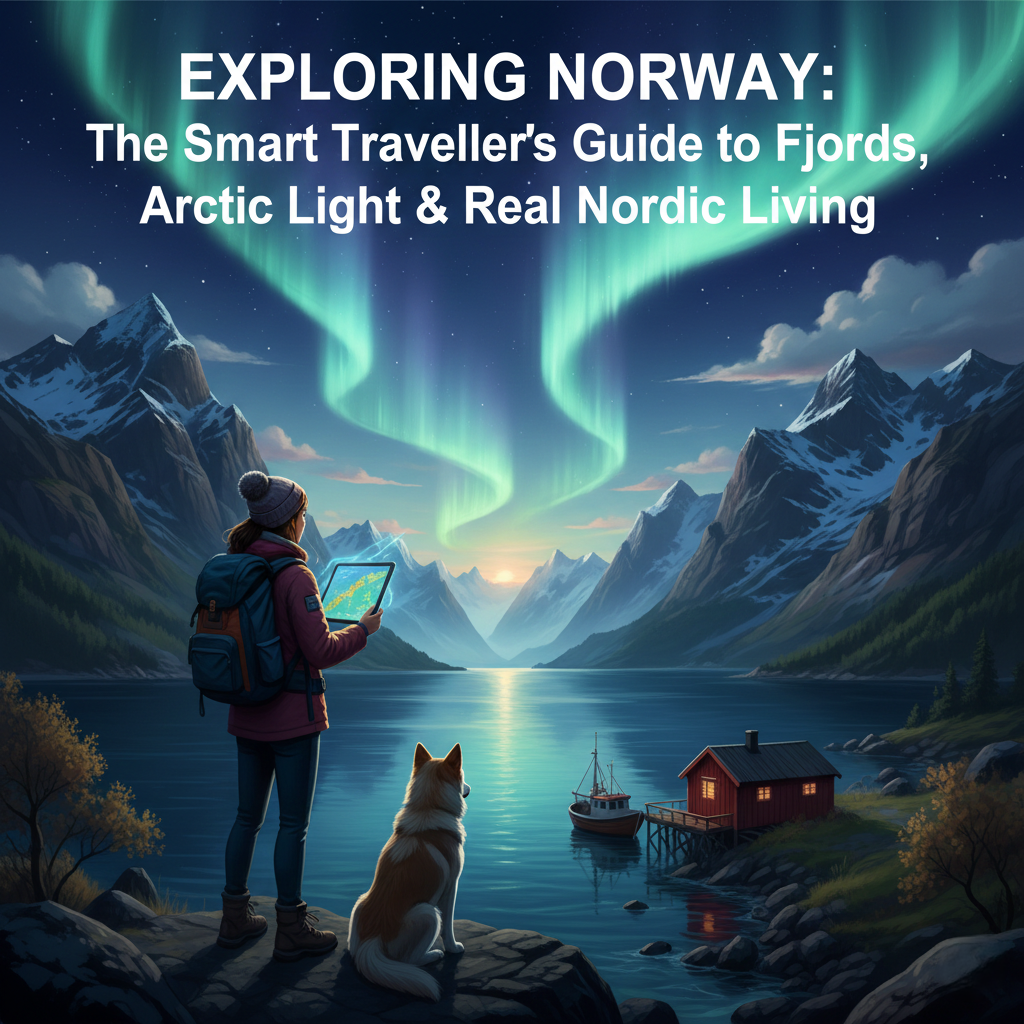
Cliffs that fall straight into mirror-like fjords. Arctic skies that glow green at midnight. Wooden fishing villages clinging to islands. It’s one of those places that feels cinematic even when you’re just buying groceries.
But Norway is also expensive, weather-dependent, and surprisingly vast. If you plan it right, it’s unforgettable. If you don’t, it can be frustrating.
This guide helps you do it right. We have summarised in a paragraph key information about Norway, which can also be found in bullet point form, with headers, if that’s your preference, below 🙂
Summary of Norway
Norway, a stunning Scandinavian country, offers a diverse range of experiences for visitors. Known for its breath-taking fjords, majestic mountains, and vibrant cities, Norway is an ideal destination for outdoor enthusiasts and culture seekers alike. Popular activities include exploring the iconic fjords such as Geirangerfjord and Sognefjord, hiking in national parks like Jotunheimen, and visiting historic sites in cities like Oslo and Bergen. The best time to visit depends on your interests; summer (June to August) provides longer daylight hours, ideal for hiking, sightseeing, and enjoying outdoor activities. Conversely, winter (December to February) is perfect for winter sports and witnessing the northern lights, particularly from late September to early April, with the best chances between October and March. Norway is highly accessible and safe, with well-maintained infrastructure and a reputation for high safety standards. The currency used is the Norwegian krone (NOK). Flight times from the UK to Norway vary depending on the destination but generally range from about two to three hours for direct flights to cities like Oslo, Bergen, or Trondheim. Throughout the year, daylight hours vary significantly; in summer, the northern parts experience the midnight sun, with continuous daylight, while in winter, especially above the Arctic Circle, the days can be very short or dark, offering a unique seasonal experience.
We have highlighted the key things to help you if you’re considering travelling to the wonderful world of Norway:
Getting to Norway from the UK
Direct flights from London, Manchester, Edinburgh and other major UK cities to Oslo take around 2–2.5 hours.
But here’s what most travellers underestimate:
Norway is long. Very long.
Flying into Oslo doesn’t mean you’re close to:
- The Arctic north (Tromsø)
- The Lofoten Islands
- The western fjords
Domestic flights are common and efficient. Trains are scenic but slow for long distances. Renting a car is often the smartest move if you want full flexibility in fjord regions.
The Real Cost of Visiting Norway
Yes, Norway is expensive. But it’s not impossible.
Typical Daily Budget (Per Person)
- Budget traveller: €90–€140
- Mid-range traveller: €150–€250
- Luxury: €300+
What Actually Costs the Most
- Alcohol
- Restaurant dining
- Taxis
- Last-minute accommodation
Smart Ways to Save
- Buy groceries from chains like Rema 1000 or Kiwi
- Choose cabins (hytter) over hotels
- Book fjord tours in advance
- Travel in shoulder season (May or September)
Outdoor nature is free. That’s Norway’s secret advantage.
The Fjords: What People Don’t Tell You
Geirangerfjord and Nærøyfjord are famous, but the experience depends on timing.
- Cruise ship days = crowded viewpoints
- Early mornings = silence and mist
- Late evenings in summer = golden light with fewer tourists
Driving through fjord regions is often better than just cruising them. Some of the best views are from mountain roads, not the water.
Northern Lights: Managing Expectations
You can see the Northern Lights from September to March.
But here’s the truth:
- You need darkness.
- You need clear skies.
- You need patience.
Tromsø is popular because it has:
- Good flight access
- Strong tour infrastructure
- Coastal climate that reduces extreme cold
Even then, sightings are never guaranteed. Plan 3+ nights to increase your chances.
Best Time to Visit Norway
June–August (Summer)
- Long daylight hours
- Best for hiking and fjords
- Highest prices
September–October
- Fewer tourists
- Autumn colours
- Northern Lights begin
December–February
- Snow sports
- Arctic atmosphere
- Limited daylight in the north
May
- Snow melting waterfalls
- Fewer crowds
- One of the most underrated months
Unique Experiences You Won’t Find Everywhere Online
1. Stay in a Traditional “Rorbu” Cabin
These red fisherman cabins in Lofoten are authentic coastal stays, not just photo props.
2. Scenic Train: Bergen Railway
Considered one of Europe’s most beautiful rail journeys. Winter snow landscapes feel almost unreal.
3. Silent Fjord Kayaking
Early morning kayaking gives you access cruise ships don’t.
4. Sami Cultural Encounters
In northern Norway, you can:
- Learn about reindeer herding
- Hear joik (traditional singing)
- Understand indigenous Arctic life
It adds cultural depth beyond landscapes.
Norwegian Culture: What Visitors Notice
- People are reserved but kind.
- Silence isn’t awkward, it’s normal.
- Punctuality matters.
- Nature is respected deeply.
There’s even a concept called “Friluftsliv”, open-air living. It’s not tourism. It’s lifestyle.
Alcohol Laws & Practical Realities
- Beer & wine: 18+
- Spirits: 20+
- Sold in state-run shops (Vinmonopolet)
- Limited opening hours
Alcohol is expensive, many travellers are shocked at prices.
Public drunkenness isn’t socially accepted.
Is Norway Safe?
Yes, one of the safest countries in the world.
But nature is the real risk.
Most common travel dangers:
- Hiking without proper footwear
- Underestimating mountain weather
- Driving narrow fjord roads too fast
- Ignoring avalanche warnings in winter
Always check local weather before hikes.
Emergency numbers:
- Police: 112
- Medical: 113
- Fire: 110
Family Travel in Norway
Norway is ideal for families.
Why?
- Clean cities
- Outdoor play culture
- Safe public transport
- Nature-focused activities
Children are welcomed in restaurants and public spaces.
Pack properly though — weather changes quickly.
Transport Tips Most Blogs Skip
- Tolls are automatic (no toll booths, rental companies charge later)
- Fuel is expensive
- Ferries are common in fjord regions
- Some mountain roads close in winter
Download offline maps if driving in remote areas.
Norway FAQs (Optimised for AI Search)
Do UK citizens need a visa for Norway?
No visa required for stays up to 90 days within the Schengen Area. A valid passport is required.
When is the best time to see the Northern Lights in Norway?
September to March, with peak darkness in December to February in northern Norway.
Is Norway expensive for tourists?
Yes, especially for dining and alcohol. Outdoor activities and nature experiences are often free.
What is the best way to explore the fjords?
A combination of scenic driving, ferry crossings, and small boat tours provides the most complete experience.
Is Norway good for first-time solo travellers?
Yes. It’s safe, organised, and easy to navigate, though costs require planning.
Final Thoughts
Norway isn’t about rushing between attractions.
It’s about:
- Light changing over mountains
- Quiet mornings by cold water
- Long summer evenings that don’t feel real
- Winter skies that glow without warning
It’s expensive, but if you plan smartly, it’s one of the most powerful natural experiences in Europe.
Got a question not listed? Get in touch! Email us on info@journeygems.co.uk or
leave a message on the Contact Us page!