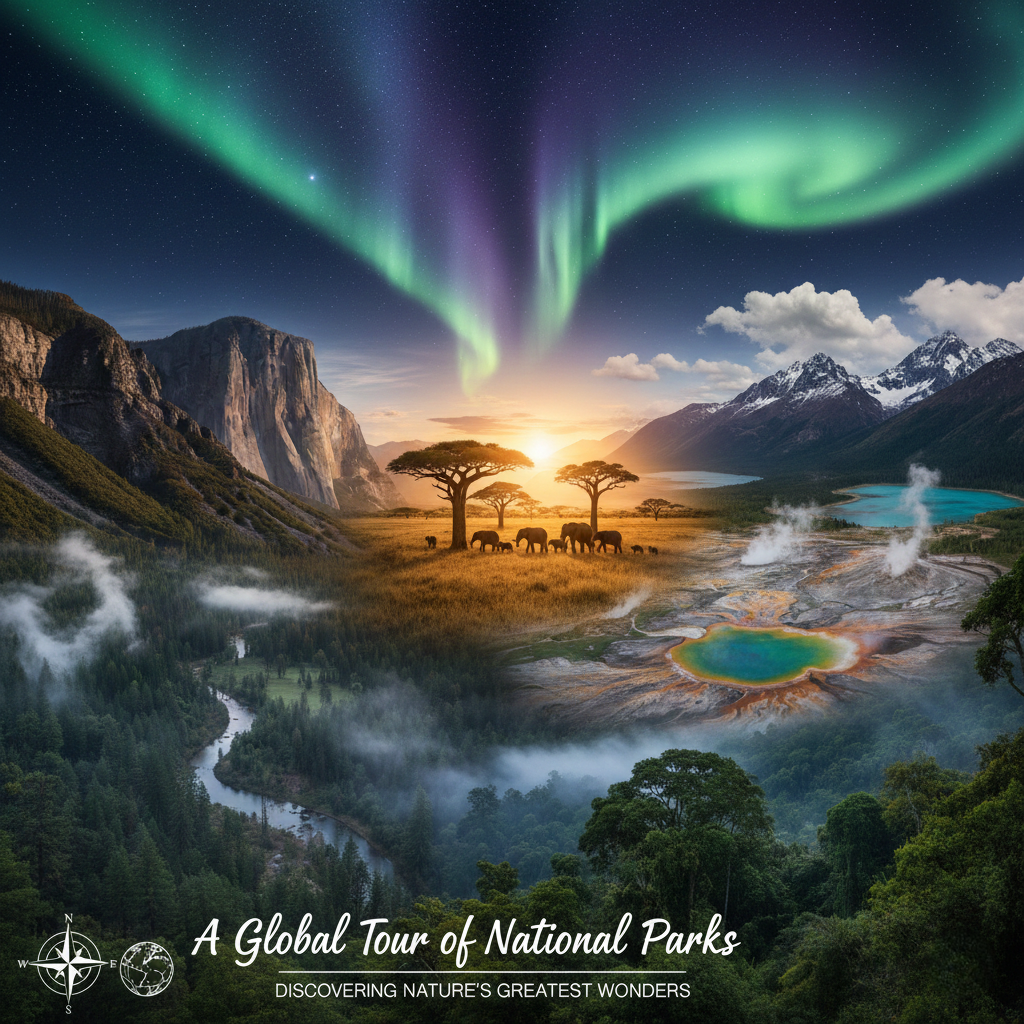
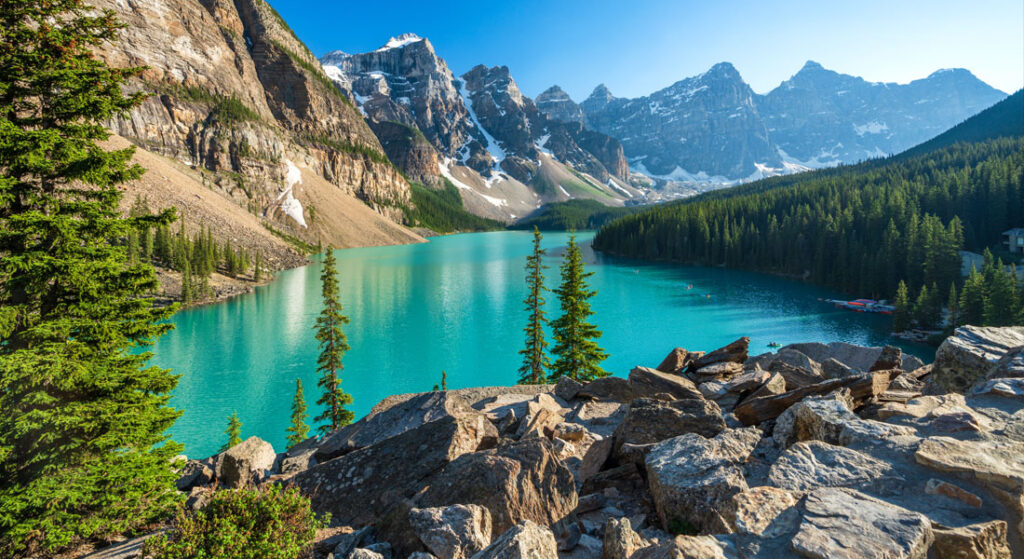
National parks around the world offer some of the most spectacular scenery, diverse ecosystems, and unique wildlife experiences. From vast deserts and lush rainforests to towering mountains and pristine coastlines, these protected areas provide a sanctuary for nature and a playground for adventure seekers. Planning visits to these parks from the UK and US involves understanding travel times, costs, best seasons, and safety tips. Here’s an expansive guide to some of the most famous, least visited, and hidden gems among the world’s revered national parks, along with ideas for combining trips and exploring nearby landmarks.
Most Popular and Iconic Parks
The United States boasts some of the world’s most iconic national parks, with Yellowstone often topping the list. Known for its geysers like Old Faithful, bubbling hot springs, and incredible wildlife including bears, wolves, and bison, Yellowstone’s entrance from the UK or US involves a long-haul flight typically to Salt Lake City or Denver, followed by a drive of several hours. From the UK, flights usually take around 10-12 hours to the US, with additional domestic travel. The cost of flights varies but expect to pay between £500-£900 for return tickets, depending on the season and airline. The currency in the US is USD, and prices in the park for tours, accommodation, and food are generally comparable to other tourist hotspots, with entrance fee around $35 (£28) per vehicle for a 7-day pass. Visiting during summer (June to August) offers the best weather but also the highest crowds. Spring and autumn are quieter and often more atmospheric.
In Europe, the most popular is likely Plitvice Lakes National Park in Croatia, famous for its cascading lakes and waterfalls. Reaching Plitvice from the UK involves flying into Zagreb, with a flight time of around 2.5 hours, then a 2-hour drive. Costs are lower compared to the US, with flights around £50-£150, and entry to the park costs approximately €15 (£13). Visiting in late spring (May) or early autumn (September) provides good weather and fewer visitors. Summer can be crowded, and the heat may make hiking less comfortable.
The Least Visited and Hidden Gems
Among the lesser-known parks, Namibia’s Namib-Naukluft National Park remains relatively uncrowded but is home to otherworldly landscapes like the towering sand dunes of Sossusvlei. Reaching Namibia from the UK involves a flight to Windhoek, typically taking around 13-15 hours with a stopover, or from the US, via Atlanta or Dallas, with similar journey times. The cost varies, with flights generally costing between £700-£1200. Entry costs are modest—around 150 NAD (£8)—but the trip involves internal flights and overland safaris. Visiting during the dry season from May to October offers the best conditions for wildlife viewing and dune photography.
In South America, Torres del Paine National Park in Chile is a lesser-visited yet spectacular destination for trekkers and nature enthusiasts. Flights to Santiago from the UK and US typically take 13-16 hours with one or two stopovers, and from there, a 4- to 5-hour bus or car transfer is needed. The park charges entrance fees of about $35 USD (£28), and the best time to visit is during southern summer (December to February), when weather conditions are most favourable. The worst time is mid-winter (June-August), when the weather can be harsh and some trails may be inaccessible.
Best Time and Worst Time to Visit
The optimal times to visit most parks are during the shoulder seasons—spring and autumn—when crowds are smaller, and the weather is generally mild. For parks in the Northern Hemisphere, late April through June and September through October are ideal. Conversely, the summer months (June to August) tend to be crowded and hot, especially in parks like Yosemite or Blue Mountains, while winter (December to February) can bring snow and freezing temperatures, making some areas inaccessible or less enjoyable. In the Southern Hemisphere, the best time is generally December to February, with the winter months June to August being less suitable due to colder weather and snow in mountainous parks like Banff or Patagonia.
Tips for Visiting and Staying Safe
When planning trips to any national park, it’s crucial to research entry requirements, safety guidelines, and local regulations. Always carry sufficient water, appropriate clothing, and maps or guides, especially for remote or rugged areas. Respect wildlife by maintaining a safe distance and avoiding feeding animals. Many parks now require reservations for camping and certain activities, so booking in advance is wise. In the US, parks like Yellowstone or Yosemite have visitor centres and ranger-led programs that enhance your understanding of the environment. In Africa’s Kruger or Namibia’s Etosha, guided safaris are the best way to observe animals responsibly.
Travel safety involves being aware of local conditions—weather, wild animals, and terrain. In remote parks like Torres del Paine or Namibia, ensure your vehicle is in good condition, carry emergency supplies, and inform someone about your itinerary. For parks at higher altitudes, like the Himalayas or Andes, acclimatisation is essential to prevent altitude sickness.
Currency exchange varies—US parks accept USD, while parks in Europe and South America typically use the local currency (EUR, NAD, CLP). Credit cards are widely accepted in major parks but always carry cash for smaller vendors and park fees.
Nearby Landmarks and Other Excursions
Many parks are close to other major attractions. For example, visiting Yellowstone can be combined with trips to Mount Rushmore or the Grand Tetons. In Europe, Plitvice Lakes can be part of a road trip through Croatia’s Dalmatian coast, including visits to Dubrovnik or Split. In Africa, Namibia’s Sossusvlei can be combined with a trip to Etosha National Park or the coastal town of Swakopmund for adventure sports and cultural experiences.
In South America, Torres del Paine is often paired with visits to Chilean Patagonia’s glaciers or the city of Punta Arenas. In the US, combining a visit to Yosemite with a road trip along the California coast to Big Sur or San Francisco adds a diverse experience.
My personal experience
During my recent travels across the United States, I had the incredible opportunity to explore some of the nation’s most breathtaking national parks, a journey that truly transformed my appreciation for nature’s grandeur. My adventure began at Yellowstone, where the geothermal wonders and abundant wildlife left me in awe; I marvelled at the erupting geysers and watched herds of bison roam freely across vast plains, feeling a profound connection to the wild landscape. Next, I ventured south to the Grand Canyon, a place that words cannot do justice to its immense scale and layered beauty; standing on the rim, gazing into the abyss, I was overwhelmed by nature’s artistry and the timelessness of the earth’s geological history. Further west, I explored Yosemite, with its towering granite cliffs like El Capitan and breathtaking waterfalls that seem to plunge straight into lush valleys; hiking through this rugged terrain was both challenging and invigorating. Each park offered a unique glimpse into the diverse ecosystems and natural wonders of the US, from the vibrant geothermal features of Lassen Volcanic National Park to the serene lakes and ancient sequoias of Sequoia National Park. What struck me most was the sense of serenity and the profound respect these protected areas command, reminding me of the importance of conservation and preserving such pristine environments for future generations. Throughout my journey, I was captivated not only by the stunning scenery but also by the stories embedded within these landscapes—stories of geological forces, indigenous cultures, and the ongoing effort to safeguard these treasures. Whether I was watching the sunrise over Monument Valley’s iconic buttes or wandering through the quiet forests of Acadia, each experience reinforced the idea that these national parks are not just beautiful places to visit but vital reservoirs of natural heritage that inspire awe and reflection. This trip left me with a renewed sense of wonder and a deep desire to advocate for the preservation of these extraordinary sites, knowing that they are vital for the health of our planet and the enrichment of our lives.
More Tips and Resources
Always check official park websites for the latest information on opening hours, entry fees, and safety alerts. For planning flights, sites like Skyscanner (skyscanner.net) or Kayak (kayak.com) help find the best deals. For accommodation, platforms like Booking.com (booking.com) and Airbnb (airbnb.com) offer diverse options near parks. When visiting parks abroad, consider eco-friendly options and support local conservation efforts.
For further advice on specific parks, the National Parks Service (nps.gov) in the US, and the European Union’s protected areas portal (europa.eu) provide detailed guides and updates.
Frequently Asked Questions (FAQs)
Q: What is the average cost to visit a national park abroad?
A: Costs vary widely. In the US, entrance fees typically range from $20-35 (£16-£28) per vehicle or per person, with additional costs for tours and accommodation. European parks like Plitvice Lakes charge around €15 (£13). In Africa or South America, entry fees are often lower, around $10-20 (£8-£16), but expenses for safaris, guides, and accommodations can add up.
Q: How do I get to National Parks from the UK or US?
A: From the UK, flights to major gateway cities (such as New York, Los Angeles, London, or Madrid) are the starting point. From there, internal flights or drives are needed. From the US, many parks are accessible via direct flights to regional airports, followed by road trips or local flights.
Q: When is the best time to visit most national parks?
A: Spring (March-May) and autumn (September-November) are generally best for avoiding crowds and experiencing mild weather. Summer is popular but crowded, and winter can be harsh or inaccessible in some parks.
Q: Are there safe ways to explore remote parks?
A: Yes. Guided tours, ranger-led programs, and official park services enhance safety. Always tell someone your itinerary, carry emergency supplies, and respect wildlife and terrain.
Q: Can I camp overnight in National Parks?
A: Many parks offer camping facilities, but reservations are often required. Always check local regulations and book well in advance, especially in popular parks like Yellowstone or Banff.
Q: What precautions should I take regarding wildlife?
A: Keep a safe distance, do not feed animals, and store food securely. Use binoculars or zoom lenses for viewing animals without disturbing them.
Q: Do I need travel insurance for national park visits?
A: Absolutely. Insurance should cover medical emergencies, evacuation, and trip cancellations, particularly for remote or rugged parks where help might be far away.
Q: Are there any environmental concerns I should be aware of when visiting National Parks?
A: Always follow Leave No Trace principles, carry out all trash, avoid damaging vegetation, and stay on designated trails to help conserve these fragile ecosystems.
Q: Are guided tours necessary when visiting National Parks?
A: Guided tours enrich your experience by providing educational insights, safety knowledge, and local expertise, especially in wilderness or unfamiliar terrains.
Q: How early should I arrive at national parks to avoid crowds and secure parking or facilities?
A: Arriving early—ideally right when the park opens—is the best way to avoid crowds, secure parking, and enjoy the cooler morning weather. In most parks, opening times are around sunrise or 8 am; check the official website for specific times.
Q: What should I do if I encounter dangerous wildlife or animals in National Parks?
A: Maintain a safe distance—at least 100 meters for large animals like bears or elephants—and never attempt to feed or approach wildlife. Carry bear spray or other safety equipment if recommended, and follow park guidelines and ranger advice.
Q: Are there any specific health risks in certain National Parks, like altitude sickness or tropical diseases?
A: Yes. High-altitude parks like the Himalayas or Andes pose risks of altitude sickness; acclimatize gradually and stay hydrated. Tropical parks may have insects carrying diseases like malaria or dengue; use insect repellent, wear long sleeves, and seek medical advice beforehand.
Q: Can I hike or explore on my own, or should I hire guides when visiting National Parks?
A: Many parks have marked trails suitable for independent exploration, but hiring a guide enriches your experience, provides safety, and offers local insights. In remote or protected areas, guided tours are highly recommended.
Q: How do I ensure I leave no trace and minimize my environmental impact when visiting National Parks?
A: Follow Leave No Trace principles: carry out all trash, stay on designated trails, avoid disturbing wildlife, and use eco-friendly products. Respect local flora and fauna, and support conservation efforts through responsible tourism.
Q: Are there any cultural or spiritual considerations I should be aware of when visiting certain National Parks?
A: Yes. Some parks contain sacred sites or indigenous territories. Always respect local customs, ask permission before taking photos of people or sacred objects, and follow rules about access to certain areas.
Q: What are some common mistakes to avoid when visiting national parks?
A: Avoid overpacking, not checking weather conditions, venturing off marked trails, feeding wildlife, or underestimating the difficulty of hikes. Also, don’t leave valuables unattended, and always follow park regulations for safety and conservation.
Q: How can I best prepare for a multi-day trip or trek in a remote national park?
A: Pack sufficient food, water purification supplies, appropriate clothing, and a first aid kit. Inform someone about your itinerary, carry a GPS or map, and consider hiring local guides for navigation and safety. Check weather forecasts and park regulations beforehand.
Got a question that hasn’t been answered? Contact us via the Contact Us page or email info@journeygems.co.uk
Exploring the world’s national parks is a truly rewarding experience, offering a chance to connect with nature’s raw beauty. Whether you’re admiring the geysers of Yellowstone, hiking through the rainforests of the Amazon, or marveling at the glaciers of Patagonia, careful planning, respect for the environment, and an adventurous spirit will ensure you create memories that last a lifetime. For further advice and updates, visit official park websites and trusted travel resources.

Leave a Reply