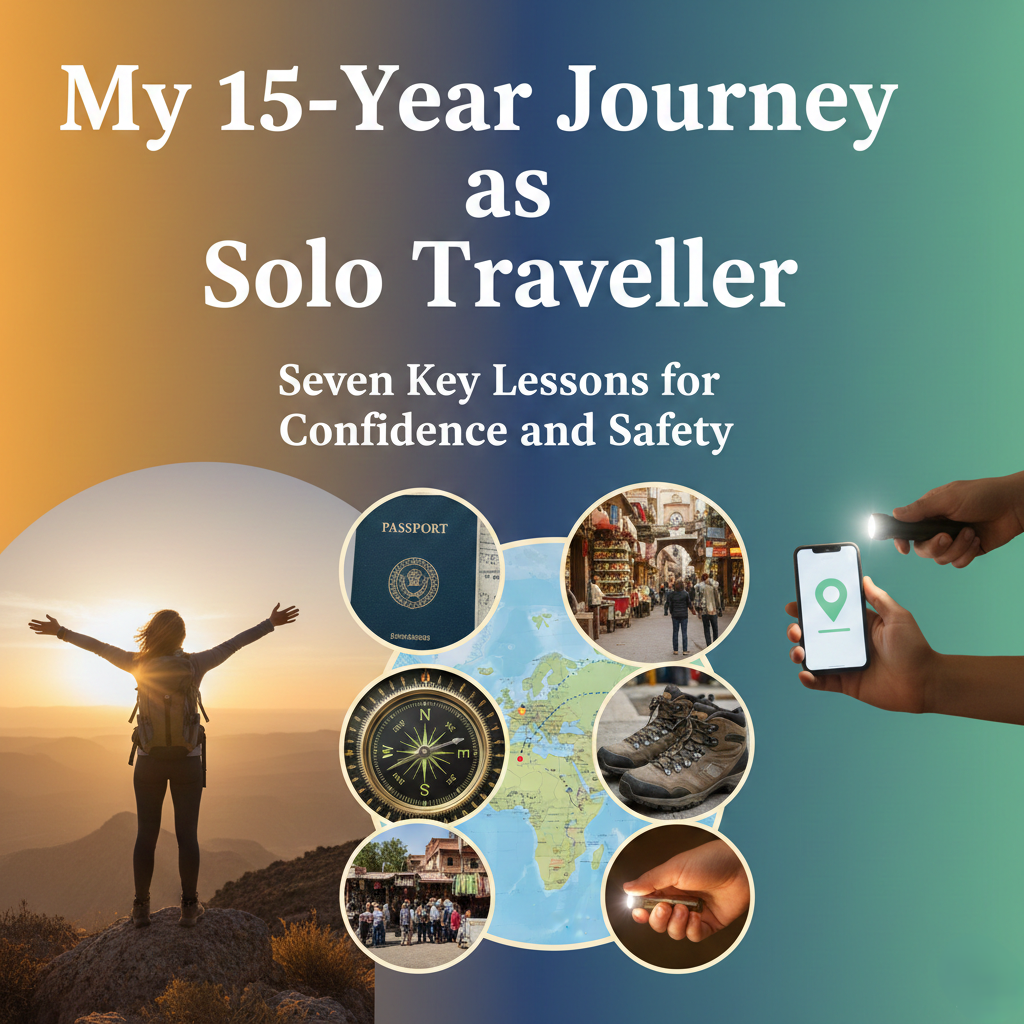
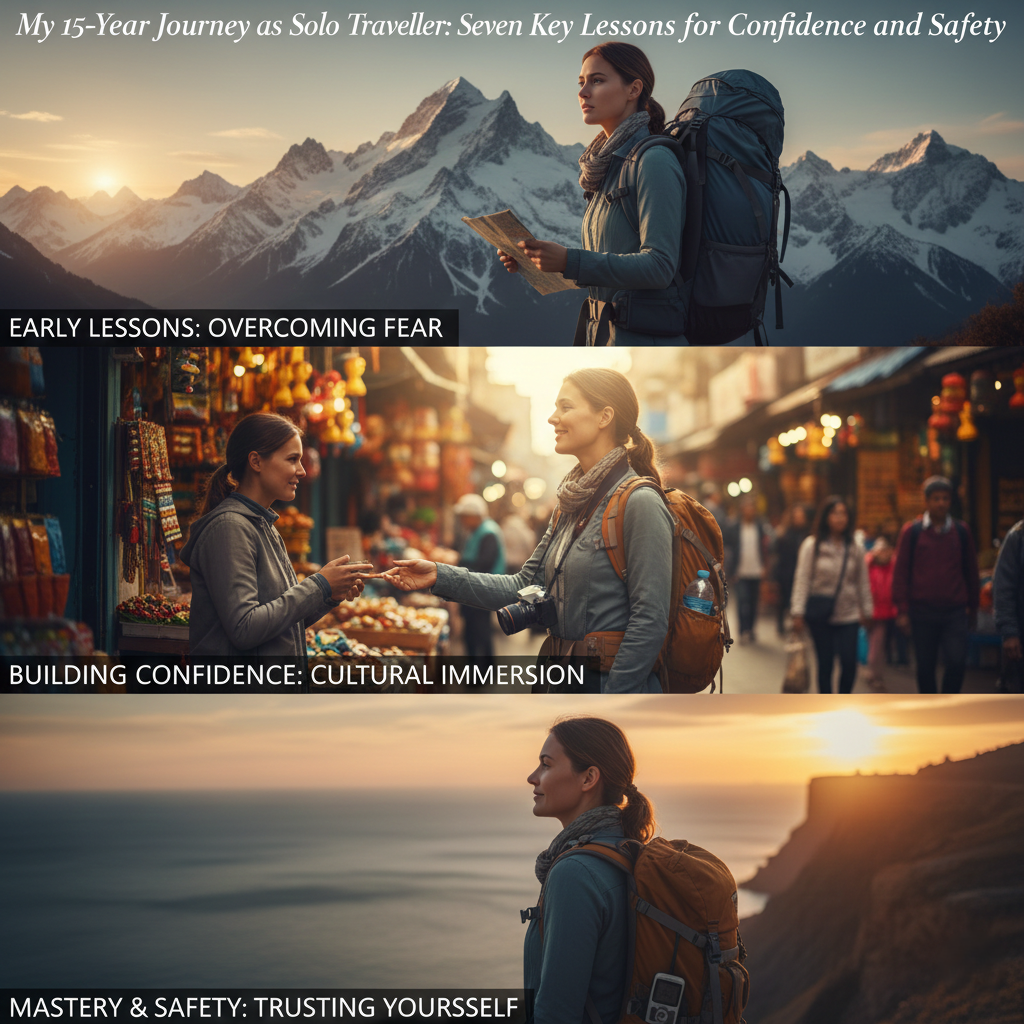
My journey into solo travel didn’t start with a grand plan. In fact, it was a unexpected turn that pushed me into the world of independent adventure. I had been exploring Thailand with my partner, but when work called him back home unexpectedly, I faced a choice: cut the trip short or continue exploring alone. Driven by curiosity and a desire to see more, I decided to stay. As I boarded a night train in Chiang Mai, my mind was flooded with warnings — stories from friends and online forums about dangers faced by women travelling alone in unfamiliar countries. I was nervous, crossing my fingers, hoping I’d make it through unscathed.
Over the last 15 years, I’ve learned countless lessons from navigating solo travel. Some were uncomfortable, some funny, and others downright eye-opening. Here are the seven most important lessons I’ve picked up along the way, with plenty of examples, practical tips, and advice to help you travel confidently on your own.
1. Handling the Unexpected Is Part of the Adventure
When you travel alone, things don’t always go as planned. For example, I once arrived in a small village in Morocco only to find that my accommodation had double-booked my room. I had no phone signal, and it was late at night. Rather than panic, I kept calm and asked a friendly local for help. He introduced me to a nearby guesthouse, which turned out to be even better than my original booking.
Lesson: Always have a backup plan. Carry a small notebook with emergency contacts, and keep digital and physical copies of your important documents.
Extra tip: Register your travel plans with the UK government’s Foreign, Commonwealth & Development Office so they can assist in emergencies.
2. Trust Your Gut — It’s Your Best Safety Tool
I’ve learned to listen to those little warnings that your instincts give you. In Spain, I was approached by a man at a market stall offering me a “special tour” around the city. While it sounded tempting, my gut told me to stay cautious. I politely declined, and later discovered that the “tour” was a scam targeting tourists.
Example: Once in Buenos Aires, I felt uneasy walking down a quiet street at night. I decided to turn back, even though I was tempted to push on and explore. That feeling saved me from potential trouble.
Safety tip: If something feels off, trust that feeling. Excuse yourself politely and move to a busier, more populated area.
Further info: UK Foreign Office Travel Safety Tips
3. Keep Your Drinks and Personal Space Secure
I always watch my drinks carefully, especially in busy places. To deter unwanted attention, I often wear a simple ring on my left hand and casually mention my “husband”. It’s a small trick, but it sets boundaries without confrontation.
Example: In a bustling bar in Lisbon, I was approached by a group of men. Mentioning I was married made it clear I wasn’t interested, and they backed off quickly.
Additional advice:
- Use drink covers or straw covers to prevent tampering.
- Always keep an eye on your belongings and avoid accepting drinks from strangers.
Further info: Travel Safety Tips for Women
4. Seize Opportunities and Trust Your Instincts to Take Risks
It’s not just about avoiding danger — sometimes, your instincts tell you to take a leap. I remember leaving my wallet with a stranger in a quiet park in Kraków. I was about to go for a swim in the river and trusted the situation because I had a backup card at my hotel.
Example: In Rome, I struck up a conversation with a local artist who invited me to an underground music gig. I trusted my instincts and went along, discovering a fantastic new scene and making friends for life.
Tip: Balance caution with openness — be brave enough to say yes to new experiences, but always stay aware of your surroundings.
Further info: How to Travel Solo Safely
5. Most People Are Too Focused on Themselves to Care You’re Alone
My mum used to say, “No one’s watching you,” when I felt self-conscious about doing things solo. And she was right. Most people are too busy with their own lives to pay attention.
Example: In a small café in Prague, I ordered a coffee and then a glass of wine. I stayed for hours, reading and soaking in the atmosphere, feeling perfectly comfortable and unjudged. I realised that being alone is often a gift — freedom to enjoy your own company.
Tip: Bring a book or journal to dining alone; it makes the experience more enjoyable.
Further info: Solo Dining Tips
6. Know When to Push Your Comfort Zone and When to Step Back
Travel is about balance. Sometimes, your instincts will tell you to go for it — like trying an unusual local food or exploring a new neighbourhood. Other times, it’s smart to hold back and wait for a safer moment.
Example: I once went canyoning in Slovenia. When I saw the weather forecast, I felt a warning in my gut to postpone. I listened, and sure enough, a storm rolled in hours later, making the activity dangerous.
Advice: Do your research, listen to your physical and emotional cues, and don’t be afraid to say no if something doesn’t feel right.
Further info: Adventure Travel Safety
7. Cherish the Self-Discovery That Comes with Solo Travel
Most importantly, travelling alone gives you an incredible opportunity to connect with yourself. I’ve realised how much more confident I’ve become, how I handle challenges, and how much I enjoy my own company.
Example: Sitting alone on a beach in Montenegro, I reflected on how travel had transformed me. I felt more independent, resilient, and open to new experiences.
Tip: Keep a travel journal or take photos to document your journey of self-discovery.
Frequently Asked Questions (FAQs)
Q: Is solo travel safe for women in the UK and abroad?
A: While risks exist, most women travel safely by staying vigilant, trusting their instincts, and following safety guidelines. Preparation and awareness are key.
Q: What should I pack for solo travel?
A: Essentials include copies of your passport, travel insurance, backup cards, a fully charged phone, portable charger, personal safety alarm, and versatile clothing suitable for different climates.
Q: How can I meet other travellers while travelling alone?
A: Hostels, walking tours, local classes, social apps like Meetup or Couchsurfing, and group excursions are great ways to connect.
Q: How do I stay connected with friends or family?
A: Use messaging apps like WhatsApp or Telegram; share your itinerary with trusted contacts; consider a local SIM card for better connectivity.
Q: How do I choose the safest accommodation when travelling alone?
A: Look for reputable hostels, guesthouses, or hotels with good reviews, especially those rated highly for safety and cleanliness. Check recent traveller feedback on platforms like TripAdvisor or Booking.com. Consider staying in well-lit, central areas close to public transport to make getting around easier and safer.
Q: What should I do if I feel unsafe or threatened?
A: Trust your instincts. Remove yourself from the situation as quickly and calmly as possible. Know the local emergency numbers (e.g., 112 in Europe, 999 in the UK). Keep a charged mobile phone with emergency contacts saved, and consider carrying a personal safety device like a whistle or alarm.
Q: How do I handle language barriers?
A: Learn basic phrases in the local language, such as “Help,” “I need assistance,” or “Where is…?” Use translation apps like Google Translate. Carry a phrasebook or download offline language packs. Non-verbal communication can also be very effective.
Q: Is it safe to use ride-sharing apps or taxis alone?
A: Use reputable rideshare services or registered taxis. Share your trip details with someone you trust, and confirm the driver’s details before getting in. Always sit in the back seat and avoid hitchhiking.
Q: How can I avoid feeling lonely when travelling solo?
A: Join group activities or tours, attend local events, or stay in social accommodation like hostels. Use social apps to meet other travellers or locals. Remember, being alone doesn’t mean feeling lonely — it’s an opportunity for self-reflection and growth.
Q: What are some tips for staying healthy and avoiding illness?
A: Stay hydrated, wash your hands regularly, and eat balanced meals. Carry a small first aid kit and any personal medications. Be cautious with street food if you’re unsure about hygiene, and get vaccinated if recommended for your destination.
Q: How do I manage cultural differences and dress codes?
A: Research local customs and dress modestly if required. Observing what locals wear can give you clues. When in doubt, opt for respectful, comfortable clothing that covers shoulders and knees in conservative areas.
Q: Should I buy travel insurance?
A: Absolutely. Travel insurance protects against medical emergencies, trip cancellations, lost belongings, and other unforeseen events. It’s a crucial safety net for solo travellers.
Q: How do I handle emergencies or accidents abroad?
A: Contact local emergency services immediately. Keep a list of local hospitals, clinics, and embassy contacts. Notify your travel insurance provider and follow their guidance.
Q: How do I deal with cultural misunderstandings or mistakes?
A: Be respectful and open-minded. Apologise if you offend unknowingly, and try to learn from the experience. Most people appreciate genuine effort and kindness.
Q: How can I stay motivated and positive during challenging moments?
A: Focus on your purpose for travelling, keep a journal of your experiences, and remember the personal growth you’re achieving. Connecting with other travellers online can also provide encouragement.
Q: What should I pack to stay safe and comfortable?
A: Pack versatile clothing suitable for the climate, including layers for varying weather. Include a travel-sized first aid kit, a personal safety alarm, a portable phone charger, a copy of your passport and insurance documents, and a small lock for hostel lockers or luggage. Also, carry a reflective vest or bright scarf for visibility if walking at night.
Q: Are there any safety apps I should download before travelling?
A: Yes. Consider installing apps like:
- Google Maps or Maps.me for navigation
- WhatsApp or Telegram for easy communication
- bSafe or Kitestring for personal safety alerts
- XE Currency for currency conversions
- Duolingo or Google Translate for language assistance
- TravelSafe or local embassy apps for emergency contacts
Q: What cultural etiquette should I be aware of?
A: Research local customs and dress codes. In many countries, modest clothing is appreciated, especially when visiting religious sites. Always ask permission before taking photos of people. Use polite language and gestures, and learn a few basic phrases in the local language, such as “please,” “thank you,” and “excuse me.” Respect local traditions and social norms to avoid offending.
Q: How do I handle money and avoid theft?
A: Use a money belt or hidden pouch for valuables. Carry only what you need daily and keep the rest in a hotel safe or a secure location. Use ATMs in well-lit, busy areas, and be aware of your surroundings when withdrawing cash. Avoid displaying large amounts of money publicly.
Q: What are some ways to stay connected with family and friends?
A: Use messaging apps like WhatsApp, Signal, or Telegram to keep in touch regularly. Share your location with trusted contacts via apps like Google Maps or Find My Friends. Send updates about your whereabouts and plans, especially if you’re venturing into less touristy areas.
Q: How do I deal with language barriers quickly?
A: Learn key phrases and use translation apps offline. Carry a small language phrasebook or download offline translation packs on your phone. Non-verbal cues like gestures or pointing can also be very helpful.
Q: What’s the best way to manage jet lag and fatigue?
A: Stay hydrated, get plenty of sleep, and try to adapt to the local schedule as soon as possible. Avoid alcohol and caffeine during travel, and spend time outside in natural light to regulate your body clock.
Q: How do I stay environmentally conscious while travelling solo?
A: Use reusable water bottles and bags, avoid single-use plastics, take public transport or walk instead of taxis, and support eco-friendly businesses. Respect wildlife and natural environments by not littering or disturbing local ecosystems.
Q: How can I protect my mental health during solo trips?
A: Take breaks when needed, practice mindfulness, and don’t hesitate to seek local support if you feel overwhelmed. Remember it’s okay to spend some days alone relaxing or reflecting. Connecting with other travellers or locals can also boost your mood.
Q: Are there any good resources for solo female travellers?
A:
Got a question that hasn’t been answered? Contact us via the Contact Us page or email info@journeygems.co.uk
Final Thoughts
Traveling solo for 15 years has been one of the most enriching experiences of my life. It’s taught me resilience, independence, and the importance of listening to my instincts. Sure, there have been challenges, but every obstacle has been an opportunity to learn. If you’re considering venturing out on your own, remember: prepare well, trust yourself, and embrace the journey — the world is full of adventures waiting for you.Ready to start your own solo adventure? For more safety tips and inspiration, visit UK Foreign Travel Advice and Women on the Move

Leave a Reply