
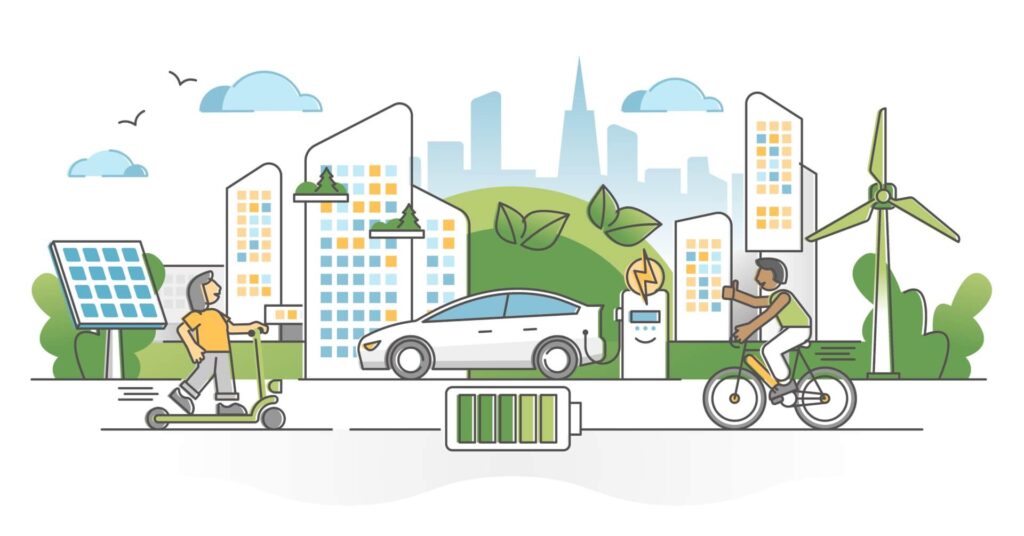
As the global community becomes increasingly aware of climate change and environmental degradation, the transportation sector—responsible for a significant proportion of greenhouse gas emissions—has come under scrutiny. Transitioning to sustainable transportation options is essential for reducing our carbon footprint, improving air quality, and promoting healthier lifestyles. From electric vehicles and public transit to cycling infrastructure and innovative mobility solutions, this detailed overview explores the most effective and emerging sustainable transportation options worldwide, highlighting their benefits, challenges, and regional examples.
The Importance of Sustainable Transportation
Transportation accounts for approximately 14% of global greenhouse gas emissions, with road traffic being the largest contributor. Traditional fossil fuel-powered vehicles, especially those running on petrol and diesel, emit vast amounts of CO₂, nitrogen oxides, and particulate matter, contributing to climate change and urban air pollution. Transitioning to sustainable transportation reduces these impacts, supports urban livability, and fosters social equity by providing accessible mobility options.
Achieving this shift involves multiple strategies, including promoting public transportation, adopting cleaner vehicle technologies, developing cycling and walking infrastructure, and encouraging shared mobility. Each option offers unique advantages tailored to different regions and community needs.
Electric Vehicles (EVs): The Future of Personal Transport
Electric vehicles have gained immense popularity worldwide as a cleaner alternative to internal combustion engine (ICE) cars. Countries like Norway, the Netherlands, and China are leading the charge, with extensive charging infrastructure, supportive policies, and consumer incentives.
Norway, in particular, exemplifies successful EV adoption, with over 70% of new car sales being electric. The country’s abundant hydropower ensures that EVs are powered largely by renewable energy, making their lifecycle emissions significantly lower than traditional vehicles. Norwegian cities like Oslo have implemented low-emission zones and incentives such as free parking, toll exemptions, and access to bus lanes to encourage EV adoption.
China is the largest EV market globally, driven by government subsidies, mandates, and investments in charging infrastructure. Major cities like Shanghai and Shenzhen are rapidly electrifying their fleets, including buses, taxis, and delivery vehicles, significantly reducing urban pollution.
Challenges for EV adoption include the need for widespread charging infrastructure, battery recycling, and affordability. Innovations such as fast-charging networks, solid-state batteries, and wireless charging are poised to address these issues.
Public Transit: Moving Masses Sustainably
Public transportation remains one of the most effective ways to reduce per capita emissions, especially in densely populated urban areas. Well-developed systems minimise individual car use, decrease congestion, and lower overall emissions.
Europe boasts extensive, efficient networks. Cities like Berlin, Zurich, and Vienna have integrated buses, trams, and metro systems powered increasingly by renewable energy sources. The use of real-time tracking, contactless payment, and integrated ticketing enhances user experience and encourages ridership.
Asia has seen rapid transit development. The Beijing Subway, for example, is the world’s largest, with electric-powered trains that significantly cut emissions compared to private vehicles. Similarly, Tokyo’s comprehensive rail network provides a model of efficient, high-frequency transit.
North America is investing heavily in transit infrastructure. Cities like New York, Toronto, and Vancouver are expanding subway lines, light rail, and bus rapid transit (BRT) systems, aiming to reduce reliance on personal vehicles.
Challenges include funding, system coverage, and affordability. Transitioning to renewable-powered transit and ensuring equitable access remain priorities.
Cycling and Walking: Active and Zero-Emission Mobility
In many cities worldwide, investing in cycling lanes and pedestrian-friendly infrastructure is transforming urban mobility. Cycling and walking are zero-emission, health-promoting options that minimise environmental impact while improving public health.
The Netherlands is a global leader, with over 35,000 km of dedicated cycling paths, making cycling a primary mode of transport for millions. Cities like Amsterdam and Utrecht have prioritised bike infrastructure, integrating bike-sharing schemes, secure parking, and traffic-calming measures to create safe, accessible environments.
Copenhagen aims to become the world’s first carbon-neutral capital by 2025, with more than 62% of residents commuting by bike daily. The city’s extensive network of cycle tracks, combined with smart traffic management, supports this goal.
In Asia, cities like Hanoi and Beijing are expanding cycling lanes and promoting e-bike adoption, reducing reliance on motorised transport. E-bikes and e-scooters are particularly popular for their affordability and ease of use.
Challenges include safety concerns, weather conditions, and the need for comprehensive infrastructure. Policies supporting bike-sharing and safe cycling networks are crucial.
Shared Mobility Solutions: Reducing Vehicle Numbers
Shared mobility encompasses a variety of services such as car-sharing, ride-hailing, bike-sharing, and scooter-sharing, which optimise vehicle use and reduce the total number of cars on roads.
Europe has embraced car-sharing platforms like Share Now (formerly Car2Go) and BlaBlaCar, promoting ride-sharing over individual car ownership. These services often operate electric or hybrid fleets, further reducing emissions.
Asia leads with innovations like e-scooter sharing in cities like Singapore, Seoul, and Taipei. These micro-mobility options are ideal for last-mile connectivity, reducing congestion and pollution.
North America sees widespread use of bike-sharing schemes like Citi Bike in New York City and Lime e-scooters in various urban centres, encouraging short trips without car usage.
Challenges include regulation, safety, and ensuring equitable access. Data sharing and integration with public transit are vital for maximising benefits.
Innovative and Emerging Transportation Technologies
Beyond traditional options, emerging technologies are shaping the future of sustainable mobility:
- Hyperloop and high-speed rail: Countries like the UAE and China are investing in ultra-fast, energy-efficient rail systems. The California High-Speed Rail project aims to connect major cities with low-carbon trains.
- Hydrogen fuel cell vehicles: Japan and Germany are pioneering hydrogen infrastructure, with fuel cell cars offering zero emissions with longer ranges and quick refuelling.
- Autonomous vehicles (AVs): While still in development, AVs promise to optimise traffic flow, reduce congestion, and improve safety when integrated with smart city infrastructure.
- Mobility-as-a-Service (MaaS): Platforms integrating various transport modes into one accessible service can streamline travel, promote multi-modal journeys, and reduce reliance on private vehicles.
Regional Examples and Challenges
Europe is at the forefront of sustainable urban mobility, with cities like Stockholm, Amsterdam, and Copenhagen implementing comprehensive policies, cycling-friendly infrastructure, and renewable-powered transit systems.
Asia is rapidly expanding its transit networks while also introducing electric buses and promoting e-mobility solutions. However, rapid urbanisation continues to strain infrastructure and resources.
North America is investing heavily in transit upgrades and clean vehicle incentives, but suburban sprawl and car dependency remain significant barriers.
Africa and South America face infrastructural and financial challenges, but innovative solutions like solar-powered buses and community-based transport schemes are emerging to improve mobility sustainably.
Practical Tips for Sustainable Transportation
Whenever possible, opt for public transit, cycling, or walking. Consider investing in an electric vehicle if feasible, and support policies and providers committed to renewable energy and low-emission operations. Carpooling and ride-sharing can dramatically cut emissions, especially during daily commutes. Stay informed about local initiatives, incentives, and infrastructure developments that support green mobility.
Common Questions & Answers about Sustainable Transportation
Q: What is the most environmentally friendly vehicle I can buy today?
A: Electric vehicles (EVs) are currently the most environmentally friendly option for personal transport, especially when charged using renewable energy sources. They produce zero tailpipe emissions and have a smaller carbon footprint over their lifecycle compared to traditional petrol or diesel cars.
Q: How accessible is public transportation in different parts of the world?
A: Accessibility varies widely. European cities like Zurich, Copenhagen, and London have extensive, reliable, and well-integrated transit systems. Many Asian cities such as Tokyo, Seoul, and Singapore also boast comprehensive networks. In contrast, some developing regions may have limited infrastructure, making public transit less accessible. However, investments are ongoing worldwide to expand and improve these systems.
Q: Are electric scooters and bikes a sustainable alternative for short trips?
A: Yes, e-scooters and e-bikes are highly sustainable and practical for short-distance travel, especially in urban environments. They produce no emissions, help reduce congestion, and promote active lifestyles. However, their environmental benefits depend on proper disposal and recycling of batteries.
Q: What are some challenges faced by cities trying to implement sustainable transportation?
A: Common challenges include high infrastructure costs, resistance to change from car-dependent populations, safety concerns, and regulatory hurdles. Ensuring equitable access for all socioeconomic groups and integrating new technologies smoothly into existing systems are also significant issues.
Q: How can I contribute to sustainable transportation in my daily life?
A: You can choose public transit, bike, walk, carpool, or use shared mobility services whenever possible. If feasible, consider switching to an electric or hybrid vehicle. Advocating for better cycling infrastructure and supporting policies that promote green transportation are also impactful actions.
Q: Is hydrogen fuel cell technology a viable alternative?
A: Hydrogen fuel cell vehicles are promising because they emit only water vapour and can offer longer ranges and quick refuelling times. Countries like Japan and Germany are actively developing hydrogen infrastructure, but widespread adoption depends on reducing production costs and building a comprehensive refuelling network.
Q: How does the development of high-speed rail impact sustainability?
A: High-speed rail provides an energy-efficient alternative to air and car travel over medium distances, significantly reducing per-passenger emissions. Countries like China and France have successfully integrated high-speed rail into their transport systems, promoting low-carbon mobility.
Q: Are autonomous vehicles environmentally friendly?
A: Autonomous vehicles have the potential to improve traffic flow, reduce congestion, and optimise fuel efficiency. However, their environmental benefits depend on their integration with electric power sources and smart city infrastructure. Currently, they are still in development and testing phases.
Q: What policies can governments implement to promote sustainable transportation?
A: Effective policies include investing in public transit infrastructure, providing incentives for electric vehicle adoption, implementing low-emission zones, promoting active mobility, and supporting shared mobility services. Regulatory measures encouraging renewable energy use in transportation are also crucial.
Q: How do I ensure my transportation choices are truly sustainable?
A: Look for options that use renewable energy, minimise emissions, and promote social equity. Use official certification schemes for vehicles and transit systems, and consider the full lifecycle environmental impact, including manufacturing, usage, and disposal.
Got a question that hasn’t been answered? Contact us via the Contact Us page or email info@journeygems.co.uk
Final Thoughts
Transitioning to sustainable transportation is vital for combating climate change and creating healthier, more liveable cities. While progress varies globally, the combination of public transit expansion, technological innovation, active mobility infrastructure, and shared mobility services creates a promising future. As travellers and residents alike, supporting policies and services that prioritise sustainability can accelerate this shift and help build a greener, more equitable world.
Disclaimer
This article provides an overview of sustainable transportation options and is for informational purposes only. The implementation and effectiveness of these solutions depend on local policies, infrastructure, and technological developments. Readers are encouraged to research their local options and consult official sources such as government transportation departments or sustainability organisations like the International Association of Public Transport (UITP) for the latest updates and initiatives. Neither the author nor the publisher accepts liability for any issues arising from the use or reliance on this information.

Leave a Reply