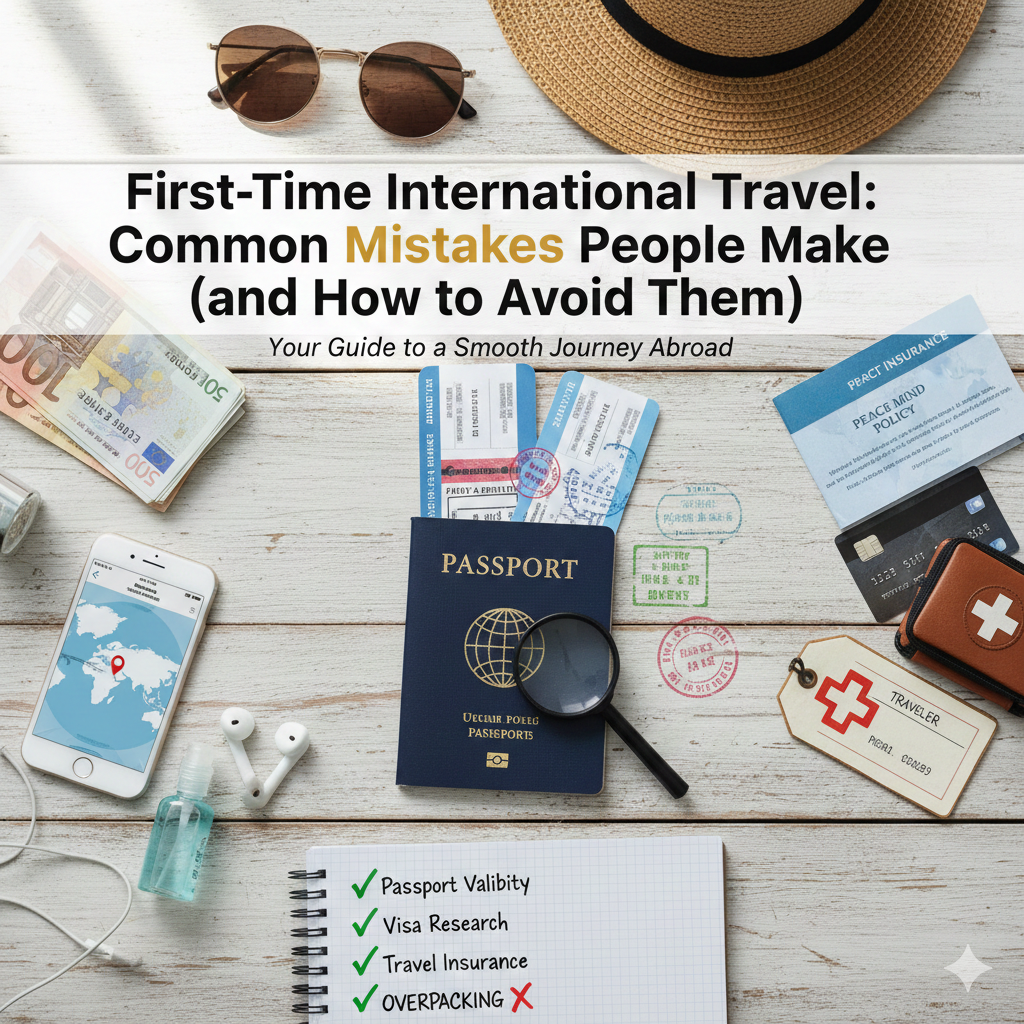
Embarking on Your First International Journey: Essential Tips to Travel Confidently
Traveling abroad for the first time can be an exhilarating experience filled with anticipation and excitement. The thought of exploring new countries, tasting different cuisines, and immersing yourself in unfamiliar cultures can be truly inspiring. However, this excitement can sometimes be accompanied by feelings of overwhelm. From booking flights and understanding visa requirements to managing your finances and navigating busy airports, first-time travellers often find themselves making small mistakes that can lead to significant headaches.
The silver lining is that most of these common travel pitfalls are entirely avoidable once you are equipped with the right information. Being prepared can make a huge difference, transforming your trip from a stressful ordeal into a smooth, enjoyable adventure. This guide aims to highlight some of the most common mistakes made by first-time international travellers, providing practical advice to help you travel with confidence, save money, and truly enjoy your journey.
Checking Your Passport Validity Well in Advance
One of the most fundamental steps before planning any international trip is ensuring your passport is valid for the duration of your stay. Many first-time travellers assume that as long as their passport hasn’t expired, it’s good to go. Sadly, this isn’t always the case.
Most countries require visitors’ passports to be valid for at least six months beyond their planned return date. Additionally, many destinations stipulate that your passport must contain a certain number of blank pages—usually two or more—for entry stamps and visas. Failing to meet these requirements can result in being denied boarding at the airport or being refused entry upon arrival, which can be both embarrassing and costly.
To avoid this, always check your passport’s expiry date before booking your flights. If your passport is approaching the six-month validity window, or if it’s low on blank pages, it’s wise to renew it well in advance. The UK government’s official guidance on passport validity can be found at https://www.gov.uk/foreign-travel-advice. Making this a priority early on ensures you won’t be caught out at the last minute and can focus on the excitement of your upcoming adventure.
Understanding Visa Requirements and Avoiding Missteps
Visa regulations are a critical aspect of international travel that can easily trip up first-timers. Visa rules differ depending on your nationality, your destination country, and the length of your stay. Some countries offer visa-free entry for certain nationalities, while others require a visa obtained in advance or on arrival.
A common mistake is assuming that you’ll automatically receive a visa on arrival or that visas are not necessary. This can lead to delays, fines, or outright denial of entry at the border. Another frequent error is applying for the wrong type of visa—such as a tourist visa when a business visa is required—or overlooking transit visa regulations for connecting flights through certain countries.
The best approach is to consult official government sources for the most accurate and up-to-date information. Always verify visa requirements for your specific passport nationality and destination. Relying on unofficial sites or hearsay can be risky. A reliable resource for visa information is the IATA Travel Centre at https://www.iatatravelcentre.com, which provides detailed, country-specific guidance.
Packing Smart and Avoiding Overpacking
Overpacking is a common mistake among first-time travellers, often driven by a desire to be prepared for every possible scenario. While packing is necessary, bringing too much can create unnecessary stress and inconvenience.
Heavy luggage incurs extra airline fees, makes it more difficult to move between hotels or transport, and can cause delays during security checks. Many travellers also find that they end up not wearing half of what they bring, leading to wasteful packing.
To pack efficiently, focus on versatile clothing that can be mixed and matched. Pack for a maximum of seven days, even if your trip is longer. Remember, most items can be purchased locally if needed. A good rule of thumb is: if you’re unsure whether to pack something, it’s better to leave it out. Packing light not only saves money but also makes your travel experience more comfortable and stress-free.
Navigating Airports and Security Procedures
Airports can be intimidating, especially if you’re unfamiliar with the procedures. Long queues, strict security protocols, and language barriers can add to the stress.
A common mistake is arriving too late for your international flight, which can result in missing the departure altogether. Another issue is not understanding the rules surrounding liquids—such as the 100ml limit for carry-on containers—or not knowing what documents to present during immigration checks.
To ensure a smooth airport experience, arrive at least three hours before your flight. Keep your travel documents, boarding passes, and any necessary visas easily accessible. Follow airport signage carefully, as airports are designed to guide travellers through security, immigration, and boarding processes. Being prepared and staying calm can help you navigate even busy airports with ease.
Securing Appropriate Travel Insurance
Many first-time travellers underestimate the importance of travel insurance, viewing it as an unnecessary expense. However, in reality, travel insurance is a vital safeguard against unexpected events that can otherwise ruin your trip.
Medical emergencies abroad can be extremely costly, and insurance can provide coverage for hospital stays, emergency treatments, and even repatriation if necessary. Additionally, travel insurance can protect against lost luggage, trip cancellations, or delays—common issues that can cause stress and financial loss.
When choosing a policy, look for comprehensive coverage that includes medical expenses, emergency evacuation, and trip cancellations. The UK government advises reviewing your options at https://www.gov.uk/guidance/foreign-travel-insurance to ensure you select the right policy for your needs.
Diversifying Payment Methods
Relying solely on cash or just one bank card can leave you vulnerable if your money is lost, stolen, or inaccessible. Carrying multiple forms of payment is a smart safety measure.
It’s advisable to carry two debit or credit cards from different providers, along with some emergency cash stored separately. Notify your bank of your travel plans ahead of time to prevent your cards from being blocked for suspicious activity. Also, check for any foreign transaction fees or ATM withdrawal limits to avoid surprises.
Having multiple payment options ensures that you can access funds when needed, whether paying for a meal, filling up with petrol, or handling unexpected expenses.
Respecting Local Laws and Cultural Norms
What’s acceptable behaviour in the UK might be illegal or offensive elsewhere. Failing to research local customs can lead to misunderstandings or even legal trouble.
Examples include dress codes at religious sites, public behaviour laws, and restrictions on photography. For instance, some countries have strict rules about modest dress in religious or cultural sites. Others may prohibit photography in certain public or sensitive areas.
To stay safe and respectful, always read official travel advice before your trip. Observe and follow the behaviour of locals, and when in doubt, politely ask for guidance. Showing respect for local customs not only enriches your experience but also helps you avoid unnecessary conflicts.
Finding the Right Balance in Your Travel Planning
Some travellers plan every minute of their trip, leading to a packed schedule that leaves little room for spontaneity. Others prefer to leave everything unplanned, which can result in missed opportunities or stressful surprises.
The key is to strike a balance. Pre-book major attractions or tours to avoid disappointment, but leave some free days for exploration and discovery. Expect that things may not go exactly as planned—delays, cancellations, or unexpected closures are common. Embracing flexibility allows you to enjoy the journey more fully and creates space for memorable moments that no itinerary can predict.
Preparing Offline Resources
Internet access isn’t guaranteed everywhere, especially in remote areas or certain countries. Relying solely on online maps and information can be risky.
Before you travel, download offline maps (such as Google Maps offline), save hotel addresses, and store emergency contacts on your device. Make physical copies of important documents like your passport, travel insurance, and itinerary. Keeping these items accessible can save you hours of frustration if your device runs out of battery or connectivity issues arise.
Accepting That Not Everything Will Be Perfect
Travel involves delays, language barriers, and unforeseen surprises. First-time travellers often expect perfection, but reality can be quite different.
Adopting a flexible attitude is vital. Instead of questioning why something isn’t going according to plan, ask yourself what you can learn from the experience. Often, the most memorable and cherished moments are born from unexpected situations. Embracing imperfections transforms minor setbacks into stories you’ll laugh about long after your trip ends.
Frequently Asked Questions (FAQs)
Is international travel safe for first-timers?
Absolutely. With proper preparation, awareness of your surroundings, and adherence to safety guidelines, travelling abroad can be both safe and incredibly rewarding.
How much money should I carry abroad?
It’s wise to carry a combination of cards and a small amount of local cash. Avoid carrying large sums, and always keep your money secure and separate from travel documents.
Do I need vaccinations before travelling?
Some destinations require or recommend specific vaccinations. Always check official health advice at https://www.gov.uk/foreign-travel-advice before your trip to ensure you’re protected.
What should I do if I lose my passport abroad?
Report the loss immediately to local authorities and your embassy or consulate. They can assist you with obtaining an emergency travel document to return home.
How can I avoid language barriers?
Learn a few basic phrases in the local language, use translation apps, and carry a phrasebook. Many people are happy to help when approached politely.
Got a question that hasn’t been answered? Contact us via the Contact Us page or email info@journeygems.co.uk
Final Thoughts
First-time international travel can be daunting, and making mistakes is part of the learning process. The important thing is to take lessons from these experiences and remember that no trip is perfect. Travel is about growth, building confidence, and discovering your resilience in unfamiliar environments.
With proper planning, an open mind, and a willingness to adapt, your first journey abroad can lay the foundation for a lifetime of adventures. Embrace the challenges, cherish the surprises, and enjoy every moment of your travel experience.

Leave a Reply