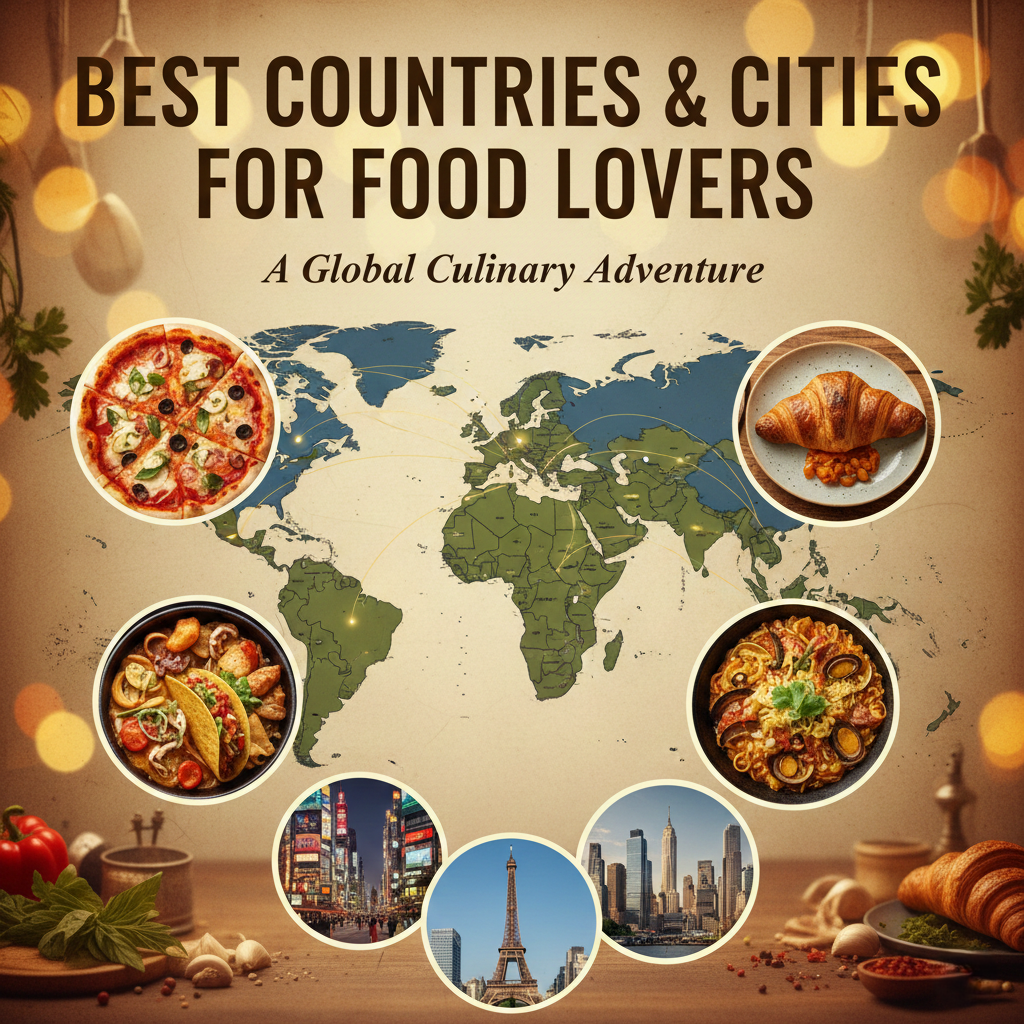
Food is more than just sustenance; it’s a reflection of culture, history, and tradition. For true food lovers, traveling isn’t just about ticking landmarks off a list—it’s about immersing oneself in local flavors, understanding the culinary heritage, and tasting dishes that tell stories of their origins. From bustling street stalls to centuries-old family recipes and high-end dining establishments, some destinations stand out as must-visit for an unforgettable gastronomic journey.
Below, we explore some of the best countries and cities around the world where food is not merely nourishment but a way of life, offering an authentic taste of local culture.
Italy: Rome & Bologna
Italy’s reputation as a culinary paradise is well-deserved. It’s a country where every region has its own specialties, and food is woven into the cultural fabric.
Rome is the birthplace of many iconic pasta dishes, such as carbonara and cacio e pepe, which are best enjoyed in traditional trattorias nestled in the city’s historic neighborhoods. These eateries serve recipes passed down through generations, offering an authentic taste of Roman cuisine. Street food in Rome is also delightful and affordable, with supplì—fried rice balls filled with cheese—and pizza al taglio—pizza by the slice—readily available for a quick, delicious snack. Exploring landmarks like the Colosseum or Vatican City becomes even more memorable when paired with a hearty meal at a local osteria.
Bologna, often called Italy’s food capital, is famed for its rich ragù (bolognese sauce), handmade tortellini, and high-quality cured meats such as mortadella. Dining here feels deeply authentic, especially when paired with regional wines like Lambrusco. The city’s historic squares, like Piazza Maggiore, and landmarks such as the Asinelli Tower, complement the culinary delights, making Bologna a destination that satisfies both the palate and the senses.
Common questions about Italy:
What’s the best time to visit Italy for food?
Spring (April to June) and early autumn (September to October) are ideal, with pleasant weather and fewer tourists. During these months, food markets and festivals flourish, offering seasonal produce and local delicacies.
Are there vegetarian options in Italy?
Absolutely. While Italy is famous for its meat-based dishes, many regions offer delicious vegetarian dishes like vegetable risottos, pasta with tomato or vegetable sauces, and antipasti.
Japan: Tokyo & Osaka
Japan’s culinary scene is celebrated worldwide for its diversity, precision, and artistry. It’s a country where food is crafted with meticulous attention to detail, blending tradition with innovation.
Tokyo masterfully combines convenience with culinary excellence. From humble ramen shops to Michelin-starred sushi bars, the city offers a wide array of food experiences. Visiting bustling Tsukiji Market or Ameya-Yokochō (Ameyoko Market) provides a sensory overload of sights, smells, and tastes, where fresh seafood and street snacks are on every corner. Sipping on a bowl of steaming ramen or sampling freshly made sushi in local eateries makes every meal a memorable event.
Osaka, often called Japan’s kitchen, is renowned for its street food scene. The city’s vibrant Dotonbori district buzzes with activity, especially after sunset. Here, you can indulge in takoyaki—octopus-filled dough balls—and kushikatsu—deep-fried skewers—both of which are best enjoyed hot from street vendors. Historic sites like Osaka Castle and lively markets add to the energetic atmosphere, making Osaka a must-visit for food enthusiasts.
Common questions about Japan:
What’s the best way to experience authentic Japanese food?
Visit local markets, neighborhood eateries, and street food stalls. Participating in a food tour can also provide insights into regional specialties and culinary traditions.
Are vegetarian or vegan options readily available?
Yes, although traditional Japanese cuisine often revolves around fish and meat, many restaurants now offer vegetarian and vegan dishes, especially in major cities.
Thailand: Bangkok & Chiang Mai
Thailand is a paradise for bold flavors, aromatic herbs, and affordable street food. Its cuisine is a reflection of centuries of culinary evolution influenced by various cultures.
Bangkok is famous for its street food culture. The bustling night markets serve up pad thai, mango sticky rice, grilled meats, and som tam (spicy papaya salad), all crafted with fresh ingredients and packed with flavor. Each dish is a symphony of sweet, sour, salty, and spicy elements, offering a sensory adventure. Visiting temples like the Grand Palace or Wat Arun pairs beautifully with sampling the city’s vibrant food scene, turning sightseeing into a culinary exploration.
Chiang Mai provides a slower pace and a taste of northern Thai cuisine. Here, khao soi—a fragrant coconut curry noodle soup—is a must-try. The city’s night markets are perfect for sampling regional snacks, fresh fruit, and traditional desserts while wandering through historic temples and bustling streets.
Common questions about Thailand:
What’s the best time to visit Thailand for food?
November to February offers cooler, drier weather, perfect for exploring food markets and street stalls.
Are vegetarian options available?
Yes, many Thai dishes are vegetarian or can be adapted. Look for dishes with tofu, vegetables, or ask vendors to modify spice levels.
France: Paris & Lyon
French cuisine is the epitome of craftsmanship, elegance, and culinary tradition. It’s a country where every meal is an art form, from flaky pastries to hearty regional dishes.
Paris is the city of romantic cafés, artisan bakeries, and world-renowned restaurants. Start your day with croissants and café au lait at a local boulangerie, then indulge in refined dishes like duck confit or escargots at a traditional bistro. Visiting landmarks like the Eiffel Tower or the Louvre becomes even more delightful when paired with exquisite French food.
Lyon holds the title of France’s culinary capital, famous for its bouchons—small, convivial restaurants serving regional specialties like quenelles and andouillette. The city’s historic Vieux Lyon district, with its narrow cobblestone streets and Renaissance architecture, offers a charming backdrop for tasting authentic Lyonnais cuisine and local wines.
Common questions about France:
What are the signature dishes in France?
In Paris, dishes like steak frites, coq au vin, and delicate pastries are staples. Lyon is known for its charcuterie and tripe dishes.
Best time to visit France for food?
Spring (April to June) and early autumn (September to October) are ideal, with pleasant weather and fresh seasonal produce.
Mexico City: Bold, Traditional, and Diverse
Mexico City boasts one of the most vibrant and diverse food scenes in the world. Its culinary landscape is a lively tapestry of indigenous ingredients, colonial influences, and contemporary innovations.
Street food is the heart of Mexico City’s culinary culture. Tacos al pastor—marinated pork cooked on a vertical spit—are an absolute must, as are tamales, elotes (grilled corn), and chiles en nogada during the festive season. Markets like Mercado de la Merced and La Ciudadela are treasure troves of regional specialties, offering hearty, flavorful dishes that reflect Mexico’s rich heritage. Visiting historic sites such as Templo Mayor or exploring the colorful neighborhoods of Coyoacán adds context to the city’s culinary richness.
Common questions about Mexico City:
Where’s the best place to try authentic tacos?
Street vendors and local taquerías are the best spots. Look for busy stalls with high turnover for fresh and safe food.
Are vegetarian options available?
Yes, many markets and restaurants offer vegetarian and vegan dishes, often featuring beans, rice, and fresh vegetables.
Vietnam: Hanoi & Ho Chi Minh City
Vietnamese cuisine is renowned for its freshness, balance, and bold flavors. It’s a culinary journey that combines herbs, spices, and textures to create dishes that are both satisfying and healthy.
Hanoi is the birthplace of pho, a fragrant beef or chicken noodle soup that’s best enjoyed in simple street-side eateries. The Old Quarter’s narrow streets are lined with vendors serving steaming bowls of pho, fresh spring rolls, and banh mi sandwiches. Lakeside walks and historic temples provide a perfect setting for casual dining and exploration.
Ho Chi Minh City offers a faster-paced culinary scene with southern specialties like bánh xèo (savory pancakes) and gỏi cuốn (fresh spring rolls). Bustling markets like Ben Thanh are vibrant hubs where you can sample local snacks, grilled meats, and tropical fruits while soaking in the city’s lively atmosphere. French colonial landmarks such as Notre-Dame Cathedral contrast beautifully with the street food scene, making every meal an adventure.
Common questions about Vietnam:
Where can I find authentic pho?
In Hanoi’s street stalls, especially early in the morning, is the best place to experience traditional pho.
Are vegetarian options available?
Vietnamese cuisine emphasizes herbs and vegetables, so vegetarian dishes like vegetarian spring rolls and rice noodle salads are widely available.
Morocco: Marrakech & Casablanca
Moroccan cuisine is a sensory feast, rich in spices, aromas, and cultural heritage. It reflects centuries of trade and cultural exchanges, resulting in a unique culinary identity.
Marrakech is famous for tagines—slow-cooked stews with meats or vegetables—often flavored with preserved lemons and olives. The lively Jemaa el-Fnaa square is a hub of food vendors offering grilled meats, grilled vegetables, and mint tea, creating an intoxicating atmosphere. The city’s souks, filled with spices, dried fruits, and sweets, add to the sensory experience, making every meal a celebration of Moroccan flavors.
Casablanca blends traditional Moroccan flavors with coastal influences, offering fresh seafood dishes like grilled fish and calamari. Iconic landmarks such as the Hassan II Mosque provide a stunning backdrop to exploring Moroccan cuisine, which combines North African spices with Mediterranean freshness.
Common questions about Morocco:
What dishes should I definitely try?
Tagines, couscous, pastilla (savory pie), and Moroccan mint tea are essentials.
Is Moroccan food spicy?
It can be, but generally it’s flavorful rather than excessively hot. You can ask for milder versions if you prefer.
South Korea: Seoul & Busan
South Korea’s food culture is vibrant, social, and deeply satisfying. It’s a country where eating is a communal activity, and flavors range from comforting to intensely spicy.
Seoul is the heart of Korean cuisine. From bibimbap—a mixed rice bowl topped with vegetables and egg—to Korean fried chicken with a crispy, tangy glaze, the city offers endless culinary delights. Visiting historic palaces like Gyeongbokgung and exploring modern neighborhoods like Myeongdong makes food exploration seamless and exciting.
Busan, known for its fresh seafood and lively markets, offers a different culinary experience. Near beaches like Haeundae, you can indulge in hoe (raw fish), pajeon (scallion pancake), and banchan—small side dishes that accompany meals. This coastal city’s vibrant seafood markets and scenic coastal views make every meal a celebration of the ocean’s bounty.
Common questions about South Korea:
What’s the must-try dish in Seoul?
Bibimbap and Korean fried chicken are top choices, but don’t miss the spicy tteokbokki (rice cakes).
Are vegetarian options available?
Yes, many Korean dishes focus on vegetables and rice, and you can find vegetarian versions of popular dishes.
Greece: Athens & Santorini
Greek cuisine is rooted in simplicity, freshness, and sharing. It’s a celebration of local ingredients, olive oil, and vibrant flavors.
Athens offers a chance to enjoy classic dishes like souvlaki (grilled meat skewers) and Greek salad while soaking in ancient history. Dining in a traditional taverna overlooking the Acropolis creates a truly memorable experience. The city’s lively markets and bakeries are perfect places to sample local bread, cheese, and olives.
Santorini elevates dining to an art form with its stunning views over the caldera. Fresh seafood, such as grilled octopus and calamari, paired with crisp local wines, makes every meal an unforgettable experience. The island’s romantic sunsets and scenic vineyards add to the culinary allure.
Common questions about Greece:
What are the must-try dishes in Greece?
Souvlaki, moussaka, tzatziki, and baklava are iconic Greek foods worth tasting.
When is the best time to visit Greece for food?
Late spring (May to June) and early autumn (September) offer warm weather and abundant fresh produce.
Australia: Sydney & Melbourne
Australia’s diverse and multicultural food scene reflects its global influences and local ingredients.
Sydney is perfect for seafood lovers. Waterfront dining offers oysters, prawns, and fish caught fresh from the ocean, especially around the Harbour Bridge and Circular Quay. The city’s multicultural neighborhoods also serve a variety of international cuisines, blending Asian, European, and Middle Eastern flavors seamlessly.
Melbourne is renowned for its vibrant café culture. The city’s thriving brunch scene features avocado toast, flat whites, and craft beverages. Food festivals, farmers’ markets, and diverse restaurants make Melbourne a haven for food-focused travelers seeking innovative and high-quality dishes.
Common questions about Australia:
What local dishes should I try?
Vegemite on toast, meat pies, and barramundi are Australian staples, alongside multicultural offerings.
Are there vegetarian or vegan options?
Yes, Australia’s cities have a growing plant-based scene with many vegan cafés and restaurants.
Common Questions About Food Travel
Are street food prices reliable?
In most destinations, street food remains affordable and offers excellent value. Prices can vary depending on the country and location, but generally, you can enjoy flavorful meals without breaking the bank.
Is street food safe to eat?
When choosing busy stalls with high turnover, street food is usually safe. Look for vendors with a good reputation, clean surroundings, and freshly prepared dishes.
Do I need to speak the local language to order food?
Not necessarily. Menus often feature pictures, and translation apps can help you communicate your preferences and dietary restrictions effectively.
Are vegetarian or vegan options widely available?
Yes, especially in major cities. Many places now offer plant-based dishes, and you can usually find vegetarian options even in traditional markets and street stalls.
What about tipping customs?
Tipping customs vary by country. In some places, tipping is customary and appreciated, while in others it’s not expected. Always check local practices to ensure respectful tipping.
Got a question that has not been answered? Emil info@journeygems.co.uk or leave us a message via the Contact Us page and a member of team will be in touch!
Final Thoughts
Traveling through food allows you to connect deeply with a destination’s culture and history. Every dish has a story—whether it’s a street snack, a family recipe, or a refined gourmet creation. By exploring local markets, trying regional specialties, and dining with locals, you gain insights that go far beyond sightseeing.
Food is a universal language that unites us across borders, bringing richness, warmth, and unforgettable memories to every journey. So, pack your curiosity and your appetite—your culinary adventure awaits. Bon appétit and happy travels!

Leave a Reply