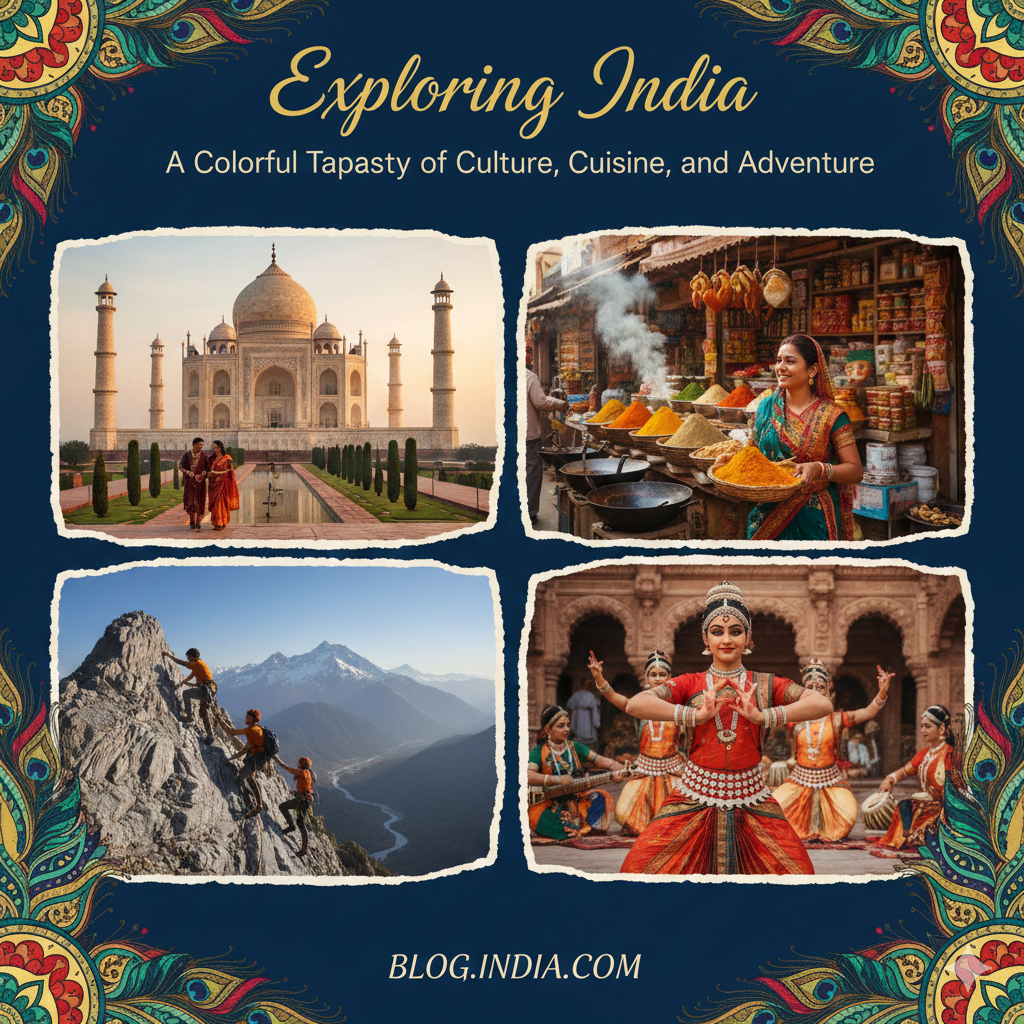
Exploring India: A Vibrant Tapestry of Culture, Cuisine, and Adventure
India is a land like no other. It’s a sprawling mosaic of colours, smells, sounds, and stories that stretch back thousands of years. From the bustling streets of its mega-cities to the tranquil backwaters of Kerala, and from the majestic Himalayas to the sweeping Thar Desert, India offers a travel experience that’s both overwhelming and endlessly rewarding. When I first visited India, I was struck by how every corner seems to tell a different story, whether it’s an ancient monument, a vibrant market, or a humble village life – and each one leaves a lasting impression.
My journey through India was not just about ticking off famous sights but about immersing myself in its rich culture, tasting its incredible food, and experiencing the warmth of its people. This guide aims to help fellow travellers navigate this vibrant land, offering practical tips, top sights, and personal stories to inspire your own adventure.
Iconic Sights to See in India
One of the first places I visited was Agra to see the Taj Mahal. Standing in front of this UNESCO World Heritage site, I was overwhelmed by its sheer beauty. The white marble mausoleum, shimmering in the early morning light, is even more breathtaking in person than I had imagined. Built by Mughal emperor Shah Jahan in memory of his beloved Mumtaz Mahal, the Taj is a monument to love and an architectural marvel. I remember arriving at dawn, just as the first light crept over the horizon, casting a golden glow on the marble. It was quiet then, apart from the gentle murmurs of fellow visitors, and I was able to appreciate its serenity and intricate craftsmanship. I’d advise anyone visiting to get there early—by sunrise, the crowds haven’t yet arrived, and you can experience the monument’s magic at its most peaceful.
Not far from Delhi, I explored some of India’s Mughal heritage. The Red Fort in Delhi, with its massive red sandstone walls, was a highlight. Walking through its sprawling courtyards and climbing the ramparts made me imagine what life must have been like for the Mughal emperors. Nearby, the Qutub Minar stands tall—a towering brick minaret surrounded by ruins of ancient mosques and inscriptions that tell stories from centuries past. These sites give a glimpse into India’s rich history, blending Islamic architecture with local craftsmanship, and each visit deepened my appreciation for the country’s layered past.
In Rajasthan, the royal legacy comes alive. Jaipur’s Amber Fort is a masterpiece of Rajasthani architecture, perched atop a hill with sweeping views of the surrounding desert landscape. I remember riding up on an elephant, feeling both exhilarated and slightly nervous as the grand gates opened to reveal intricate halls and courtyards. Nearby, the Palace of Winds (Hawa Mahal) dazzled me with its honeycomb façade, designed to allow royal women to observe street life while remaining hidden. Visiting these palaces, I could almost hear the echoes of royal ceremonies and courtly affairs that once took place within their walls.
One of my most memorable experiences was in Kerala, exploring the tranquil backwaters by boat. Gliding through narrow canals lined with lush greenery and coconut palms, I felt a sense of peace I hadn’t known before. The stillness, broken only by the gentle lapping of water, was hypnotic. I stayed in a houseboat in Alleppey, drifting past floating markets, villages, and birdlife—an authentic glimpse into rural life in India. Munnar, another highlight in South India, is a cool hill station famous for its sprawling tea plantations. Walking through the misty hills, I sampled fresh tea straight from the gardens and marveled at the rolling green landscape stretching as far as the eye could see.
To truly understand India’s spiritual heart, I visited Varanasi, one of the oldest continuously inhabited cities in the world. Sitting on the ghats of the Ganges at dawn, I watched locals carry out their morning rituals—prayers, bathing, offerings—and felt an almost overwhelming sense of reverence. In the evening, I attended the Aarti ceremony, where lamps and incense fill the air with a spiritual glow. The energy of the city, alive with devotion and history, was palpable. It’s a place that leaves an indelible mark on the soul.
Navigating India: Getting Around and Practical Tips
Getting around India can be an adventure in itself. The country’s vast size and diversity mean that travel options are equally varied. I found trains to be one of the most authentic and cost-effective ways to see the country. Booking tickets in advance is essential, especially for popular routes like Delhi to Jaipur or Mumbai, but even last-minute journeys tend to be affordable. I vividly remember my first train journey—winding through the countryside, watching small villages and green fields pass by. An overnight train in sleeper class cost me around £10–£15, and I felt like I was experiencing India in its most raw and real form.
Buses are plentiful and cheap, perfect for short distances within cities or between towns. I recall hopping on a colorful local bus in Rajasthan, sharing laughs with fellow passengers as we navigated busy streets. For longer distances, domestic flights are a comfortable choice—tickets can range from £30 to £80, depending on the route. I took a flight from Delhi to Kerala and was struck by how quickly the landscape changed from dusty plains to lush greenery.
In cities, taxis and ride-sharing apps like Ola and Uber are reliable and safe options. I always preferred using these services rather than hailing auto-rickshaws late at night, simply for peace of mind. In busy areas, it’s worth negotiating fares or asking your driver to use the meter.
Experiencing Indian Culture and Festivals
India’s culture is alive everywhere—from the bustling markets to the quiet temples. I spent days exploring markets in Delhi, bargaining for colourful textiles and handcrafted jewellery. The smell of spices, the vibrant sights, and the friendly banter made shopping a memorable part of my trip.
Attending festivals was a highlight. I vividly remember being in Jaipur during Diwali, the Festival of Lights. The entire city was illuminated with lamps and fireworks, and the atmosphere was electric. People dressed in bright colours, exchanging sweets and lighting candles—an experience that truly captures India’s festive spirit. Holi, the festival of colours, was another unforgettable event. I participated in a Holi celebration in a small village, where everyone threw vibrant powders and danced into the night. The sense of community and joy was infectious.
Food is an essential part of India’s culture. I spent hours wandering street stalls, trying everything from spicy chaats and pani puri to tandoori kebabs and sweet jalebi. One of my fondest memories is sitting on a rickety stool at a roadside stall in Mumbai, eating spicy vada pav with a cup of cutting chai, feeling completely immersed in local life.
When to Visit India
Timing your visit is crucial. I found that the best time to visit the northern regions—like Delhi, Agra, and Rajasthan—is during the cooler months from October to March, when temperatures hover around 5°C–20°C. During this period, sightseeing is comfortable, and you can enjoy the sites without the oppressive heat or monsoon rains.
The monsoon season, from June to September, transforms India into a lush paradise, with heavy rains soaking the landscape and filling rivers and lakes. While this is a wonderful time to visit if you love greenery and don’t mind the rain, many outdoor sights can be less accessible. I visited Kerala during the monsoon once, and the waterfalls and rice paddies were astonishingly vibrant, but some travel plans had to be flexible.
Summers, from April to June, can be sweltering, especially in inland areas like Delhi or Rajasthan, with temperatures soaring above 40°C. I avoided travel during this period but took advantage of the cooler hill stations—like Mussoorie and Shimla—where temperatures are more bearable and the scenery breathtaking.
Budgeting and Costs
India is one of the most budget-friendly destinations if you plan carefully. Accommodation options range from cheap hostels and guesthouses at around £5–£10 per night to mid-range hotels costing between £15–£30. If you’re splurging on luxury, you can find beautiful hotels and resorts for £50–£100 a night, often offering world-class amenities.
Food is incredibly inexpensive—street food like chaats, kebabs, and sweets cost around £1–£2 per serving, and full meals at mid-range restaurants can be enjoyed for £5–£10. I found that eating local cuisine not only saves money but also offers a more authentic experience.
Sightseeing costs are generally low; most major attractions have entry fees under £10, and guided tours are usually affordable, especially if booked locally. However, for longer excursions or specialised activities like a camel safari in Rajasthan or a houseboat cruise in Kerala, prices will vary.
Safety Tips and Practical Advice
India is a safe country for tourists, but a few precautions are wise. Dressing modestly, especially at religious sites, is respectful and helps avoid unwanted attention. Using registered taxis or ride-sharing apps ensures safety and fair pricing. Avoid travelling alone late at night in unfamiliar areas and keep valuables secure—consider using a money belt or hidden pouch.
Drink bottled water and eat freshly cooked food to prevent illness. Carry hand sanitiser and basic medicines, especially if you have specific health needs. Keep an eye on your belongings in crowded markets and tourist hotspots to avoid pickpocketing. Staying connected with a local SIM card or portable Wi-Fi device can be useful for maps and communication.
Common Questions About Visiting India
One of the most common questions I get from friends planning a trip is whether India is safe for tourists. My answer is always yes—India is safe if you stay alert and follow basic precautions. It’s important to dress modestly, especially in religious and rural areas, and to avoid isolated places at night. Many travellers worry about visas; most visitors will need one, but applying online for an e-Visa or obtaining a regular visa in advance is straightforward. Check the Indian government’s official website for the latest updates.
Another question I often hear is how to experience Indian culture authentically. Attending festivals like Diwali or Holi, exploring local markets, and taking part in cooking classes are fantastic ways to do this. Spending time in rural villages can also give you a glimpse of traditional life that’s often hidden from the tourist trail.
How long should you stay? I recommend at least two weeks to see the main sights comfortably, but if you have more time, a month or more allows for a deeper dive into regional cultures, landscapes, and spiritual sites.
Final Thoughts
India is a country that challenges, surprises, and rewards in equal measure. It’s a place where ancient temples and modern skyscrapers coexist, where chaotic streets hide moments of serenity, and where every meal, festival, and encounter feels deeply authentic. I always say that India is best experienced with an open mind and a sense of adventure. It’s not a country you visit casually but one that leaves a profound impression, often calling you back for more.
Whether you’re marveling at architectural wonders like the Taj Mahal, wandering through colourful markets, enjoying fiery street food, or participating in lively festivals, India offers unforgettable memories. Approach it with curiosity and respect, and you’ll find that every day brings a new discovery. Prepare well, stay mindful of safety, and most importantly, open your heart to its vibrant chaos—you’ll leave with stories you’ll cherish forever.
Useful URLs
To help you plan your trip, here are some useful websites:
- Incredible India Official Tourism Site
- India Visa & e-Visa Information
- TripAdvisor India Travel Guides
- Lonely Planet India
- India Rail Info for train schedules and booking tips
- Booking.com India Hotels
- Festivals & Events in India
Embarking on an Indian adventure is truly stepping into a world of endless colour, history, and warmth. It’s a journey that will challenge your perceptions and fill your heart with unforgettable stories. So pack your bags, prepare to embrace the chaos, and get ready for an experience of a lifetime. India awaits, and I promise, you’ll never forget your time there.
- Q: Is India a safe destination for travellers?
A: Yes, India is generally safe for travellers who take basic precautions, such as avoiding isolated areas at night and keeping an eye on valuables. - Q: Do I need a visa to visit India?
A: Most visitors to India require a visa, which can be obtained online as an e-Visa or through an Indian embassy before travel. - Q: What is the best time to visit India?
A: The best time to visit India is during the cooler months from October to March, when the weather is more comfortable across most regions. - Q: How can I experience authentic Indian culture during my visit?
A: To experience authentic Indian culture, you should attend local festivals, explore markets, try regional cuisines, and visit traditional villages. - Q: Is India expensive to visit?
A: India can be very affordable for travellers, especially if you opt for budget accommodations, street food, and local transportation. - Q: What are the must-see sights in India?
A: India’s must-see sights include the Taj Mahal, Jaipur’s Amber Fort, the backwaters of Kerala, Varanasi on the Ganges, and the palaces of Rajasthan. - Q: How do I get around India?
A: India offers a vast network of trains, buses, domestic flights, and ride-sharing options, making it relatively easy to travel between cities and regions. - Q: What should I pack when visiting India?
A: Pack lightweight, modest clothing, comfortable shoes for walking, a hat, sunscreen, and any necessary medicines or toiletries. - Q: What should I know about Indian food when I visit India?
A: Indian food is incredibly diverse; try street snacks like chaat and samosas, and be cautious with spicy dishes if your stomach is sensitive. - Q: How long should I stay in India to see the highlights?
A: A minimum of two weeks is recommended to see the key sights, but a month or more allows for a deeper exploration of India’s diverse regions.
Got a question that hasn’t been answered? Contact us via the Contact Us page or email info@journeygems.co.uk

Leave a Reply