Mountains have inspired explorers, spiritual seekers, and nature lovers for centuries. They symbolise endurance, beauty, and the raw power of nature. From the world’s highest summits to culturally significant volcanic peaks and dramatic escarpments, mountain ranges shape landscapes, climates, and civilisations. Whether you dream of high-altitude expeditions, scenic trekking routes, or peaceful viewpoints, understanding each mountain’s character helps travellers plan safely and responsibly.
This guide explores some of the world’s most iconic mountain ranges and peaks, including their geography, climbing considerations, cultural importance, and lesser-known highlights.
The Himalayas: Home to the World’s Highest Peaks
Overview
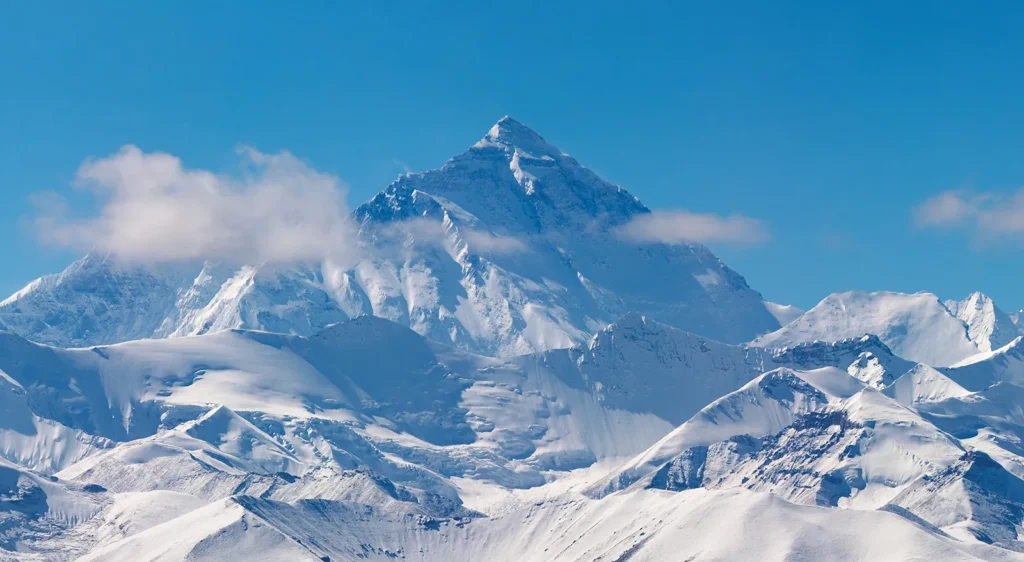
The Himalayas stretch across Nepal, India, Bhutan, China, and Pakistan, forming the highest mountain range on Earth. This region includes Mount Everest (8,848.86 metres), officially recognised as the world’s tallest peak. Beyond extreme altitude, the Himalayas hold deep spiritual significance in Hinduism, Buddhism, and other belief systems.
Climbing Mount Everest
Climbing Everest is one of the most demanding mountaineering challenges. Expeditions usually follow either the South Col route from Nepal or the North Ridge from Tibet. Climbs typically last 6–8 weeks, allowing time for acclimatisation to extreme altitude. The final summit push can take over 12 hours in freezing temperatures and low oxygen levels. Only climbers with extensive high-altitude experience should attempt it, under the guidance of licensed expedition operators.
Treks and Accessible Routes
For most travellers, trekking routes such as Everest Base Camp, Annapurna Circuit, and Langtang Valley offer breathtaking Himalayan scenery without technical climbing. These treks range from 10 to 20 days and require good fitness and altitude awareness.
Hidden Himalayan Experiences
Lesser-known areas like Tsum Valley, Manaslu Circuit, and the sacred Mount Kailash region provide quieter, culturally rich alternatives with fewer crowds.
Authoritative guidance: Nepal Tourism Board, International Mountaineering and Climbing Federation (UIAA)
The Andes: The Longest Mountain Range on Earth
Overview
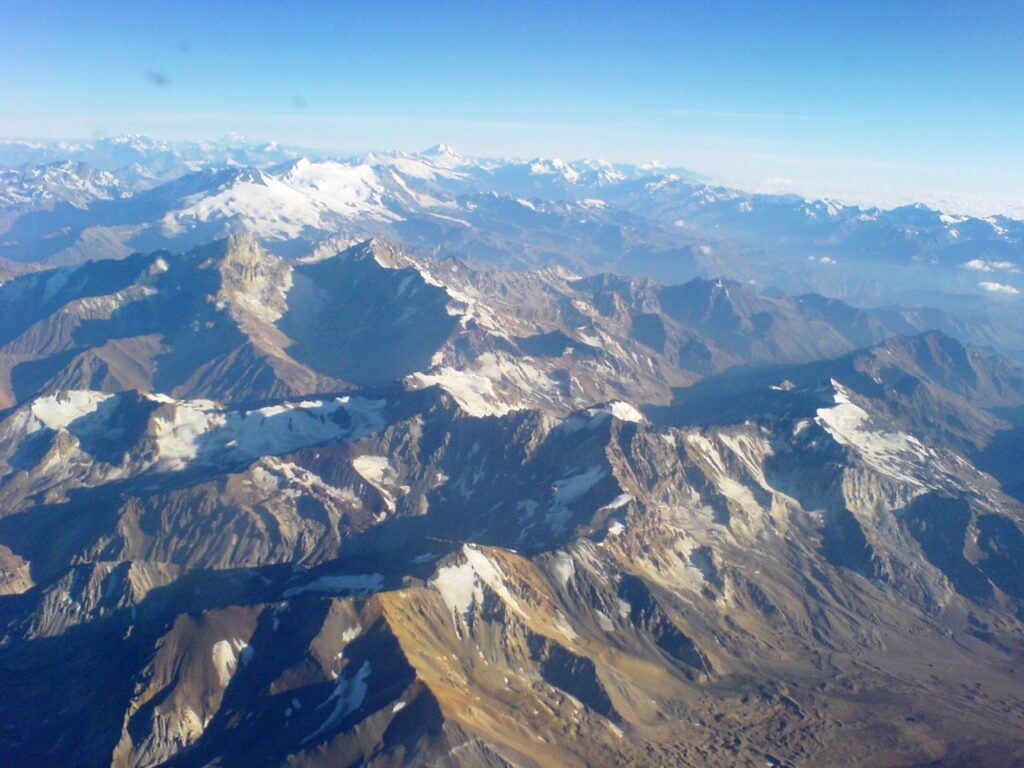
Running over 7,000 kilometres along South America’s western edge, the Andes span Venezuela to Chile and Argentina. The range features glaciers, volcanoes, high deserts, and ancient civilisations. Its highest peak, Aconcagua (6,961 metres), is the tallest mountain outside Asia.
Climbing Aconcagua
Aconcagua’s normal route is considered non-technical, but altitude and harsh weather make it physically demanding. Most expeditions take 2–3 weeks, allowing gradual acclimatisation through base camps. Strong endurance and preparation are essential.
Other Highlights
- Cordillera Blanca (Peru): Snow-capped peaks and glacial valleys
- Torres del Paine (Chile): Dramatic granite towers and turquoise lakes
- Patagonian Andes: Remote, rugged landscapes ideal for experienced trekkers
Environmental oversight: National Park Services of Chile, Argentina, and Peru
The Alps: Europe’s Most Accessible High Mountains
Overview
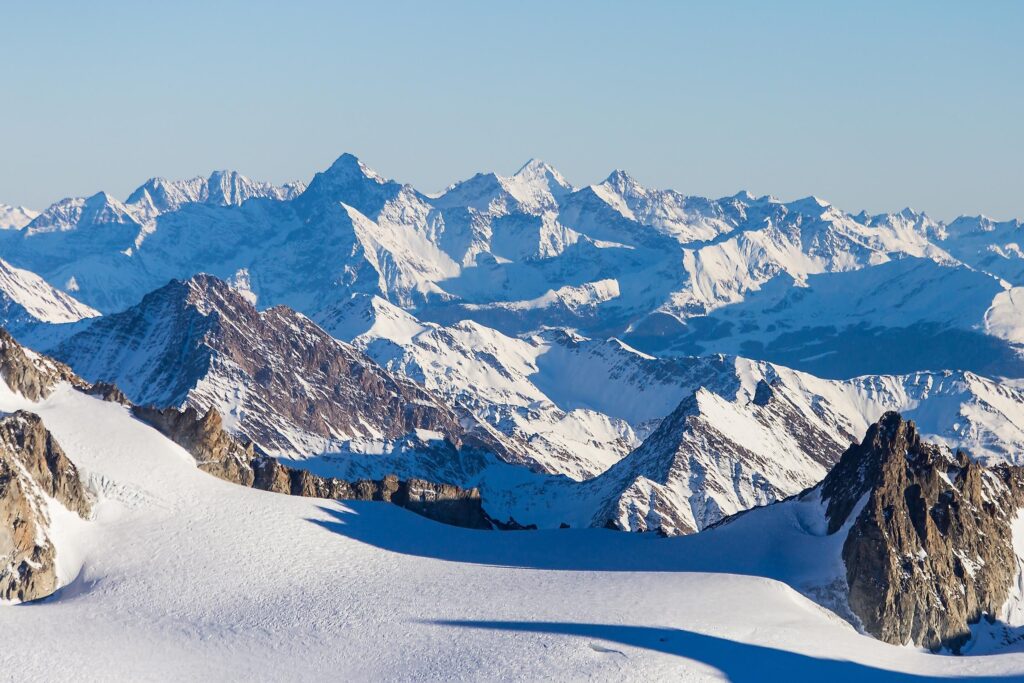
The Alps extend across France, Switzerland, Italy, Austria, Germany, and Slovenia, combining dramatic peaks with world-class infrastructure. Scenic railways, cable cars, and alpine villages make the region accessible year-round.
Climbing Mont Blanc
At 4,808 metres, Mont Blanc is Western Europe’s highest peak. The popular Goûter Route involves glacier travel, snow slopes, and basic mountaineering skills. Most ascents take 1–2 days from mountain huts, and guided climbs are strongly recommended.
Beyond Climbing
The Alps offer hiking, skiing, cycling, and via ferrata routes. Iconic destinations include Chamonix, Zermatt, Lake Geneva, and Lake Como.
Lesser-Known Alpine Gems
The Dolomites, Bernese Oberland, and Annecy region offer spectacular scenery with fewer crowds and rich cultural heritage.
Safety authority: Alpine Rescue Services, Swiss Federal Office for the Environment
The Rocky Mountains: North America’s Wilderness Backbone
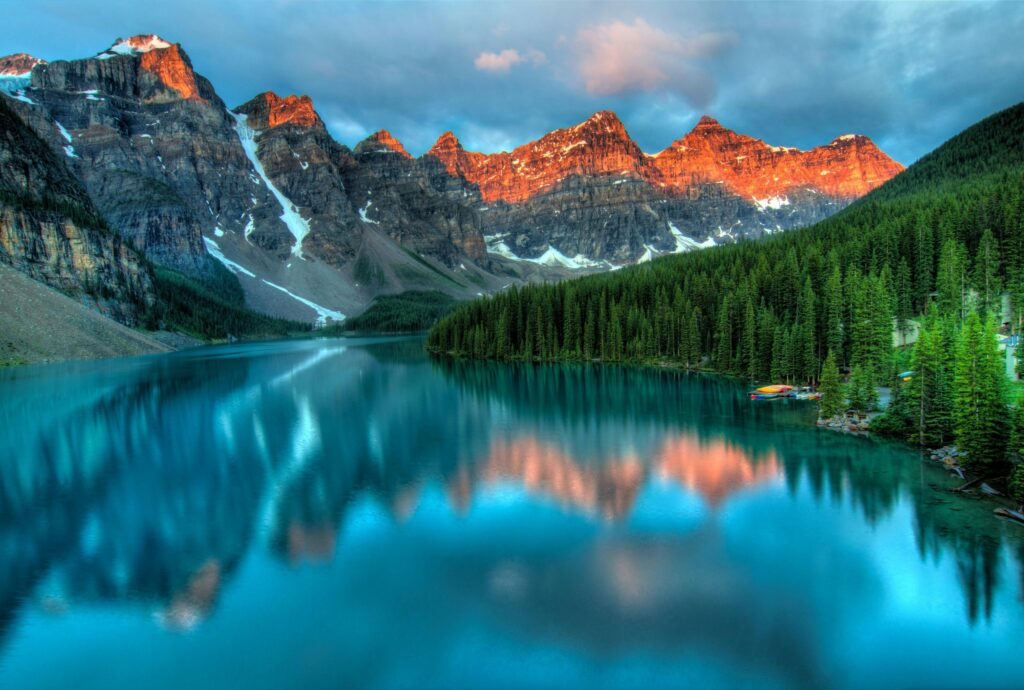
Overview
Stretching from Canada’s Yukon to New Mexico, the Rockies are known for wildlife, alpine lakes, and vast national parks.
Mount Elbert
At 4,401 metres, Mount Elbert is the highest peak in the Rockies. It is a non-technical hike, typically completed in a single day, but altitude and sudden weather changes require preparation.
Highlights
- Banff and Jasper National Parks (Canada)
- Glacier National Park (USA)
- Maroon Bells (Colorado)
These areas are renowned for hiking, photography, and conservation.
The Drakensberg: Southern Africa’s Mountain Escarpment
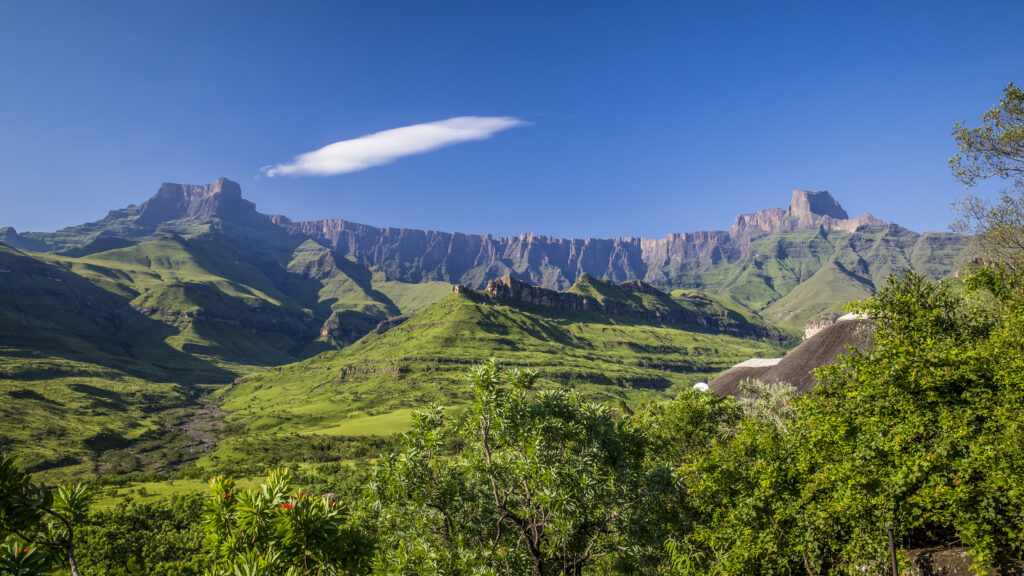
Overview
Located in South Africa and Lesotho, the Drakensberg Mountains feature towering cliffs, rolling plateaus, and ancient cave systems.
Trekking and Cultural Value
The range includes Thabana Ntlenyana (3,482 metres) and the iconic Amphitheatre, a UNESCO World Heritage Site. The region is also home to ancient San rock art, offering insight into early human culture.
Table Mountain and Lion’s Head: Cape Town’s Natural Icons
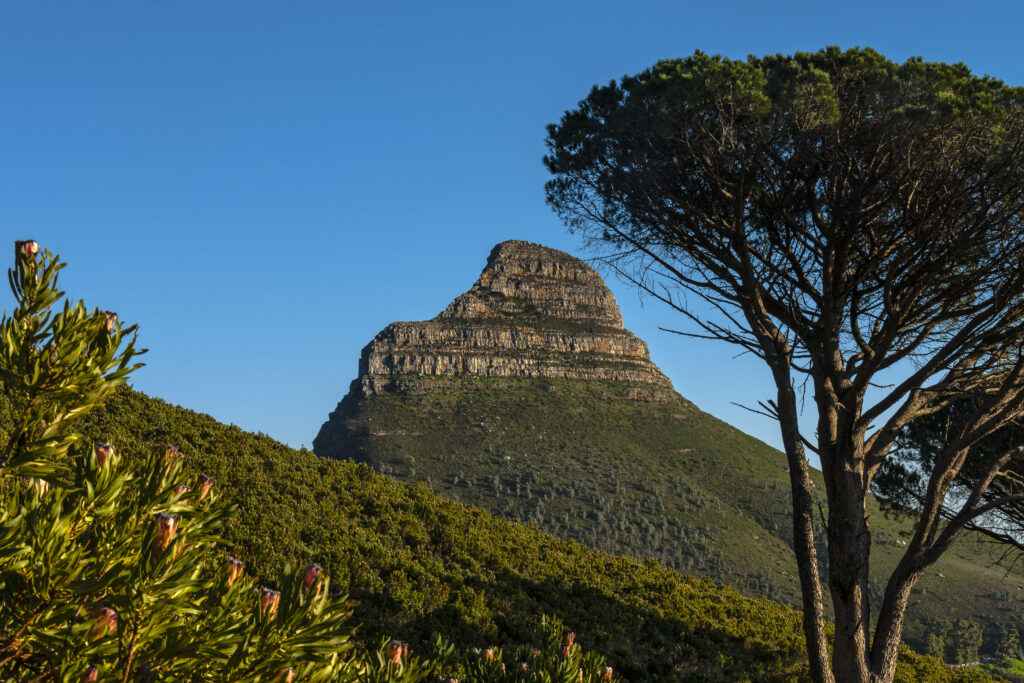
These mountains dominate Cape Town’s skyline and are among the most visited natural attractions in Africa.
- Table Mountain: Accessible via hiking trails or cable car
- Lion’s Head: A popular sunset hike with mild scrambling
Both offer panoramic views of the city, coastline, and Atlantic Ocean.
Mount Fuji: Japan’s Sacred Volcano
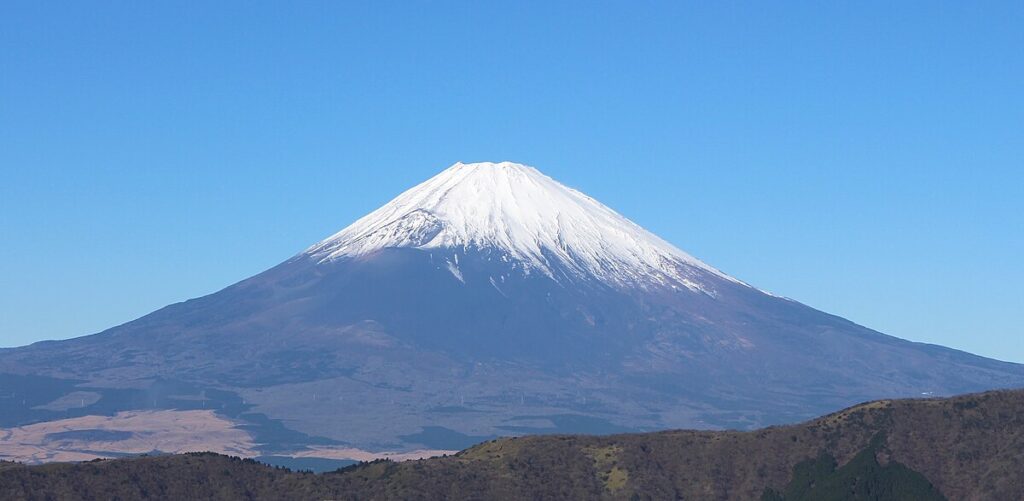
Standing at 3,776 metres, Mount Fuji is both a natural landmark and a cultural symbol. The official climbing season runs from July to early September, with well-maintained trails and mountain huts along the route.
The surrounding Fuji Five Lakes region offers scenic walks, cultural sites, and hot springs.
Cultural authority: Japan National Tourism Organization
Planning a Mountain Adventure: What to Know
- Always check weather forecasts and seasonal conditions
- Acclimatise properly at high altitudes
- Use licensed guides for technical or remote climbs
- Carry appropriate insurance and safety equipment
- Respect protected environments and local customs
Frequently Asked Questions
How long do mountain climbs take?
Simple hikes may take hours, while high-altitude expeditions can take weeks.
Is altitude sickness common?
Yes, especially above 2,500 metres. Proper acclimatisation is essential.
Do beginners need guides?
For technical or high-altitude routes, guides are strongly recommended.
Got a question not listed? Emil info@journeygems.co.uk or message us via the Contact page and we will be in touch!!
Final Thoughts
From the towering Himalayas to culturally sacred peaks like Mount Fuji, the world’s mountains offer adventure, reflection, and connection with nature. Whether you aim to summit a legendary peak or enjoy a peaceful alpine trail, preparation, respect for the environment, and awareness of safety transform mountain travel into a truly rewarding experience.
Content Disclaimer
This article is written for informational purposes based on research, publicly available data, and original structuring. We aim to provide accurate and helpful travel guidance. Images used are royalty-free or belong to their respective owners.

Leave a Reply