Top African Countries to Visit: A Practical Travel Guide for First-Time and Experienced Travellers
Africa is an extraordinary continent—vast, diverse, and full of contrasts. It’s a place where you can stand in the middle of the Sahara’s endless dunes, wander through lush rainforests teeming with wildlife, explore ancient ruins that tell stories of bygone civilizations, or relax on pristine beaches fringed with palm trees. My first trip to Africa was to Kenya, where I watched a lion pride lounging in the golden grass at dawn, and I realised how deeply this continent touches your soul. It’s a continent that invites curiosity, adventure, and reflection.
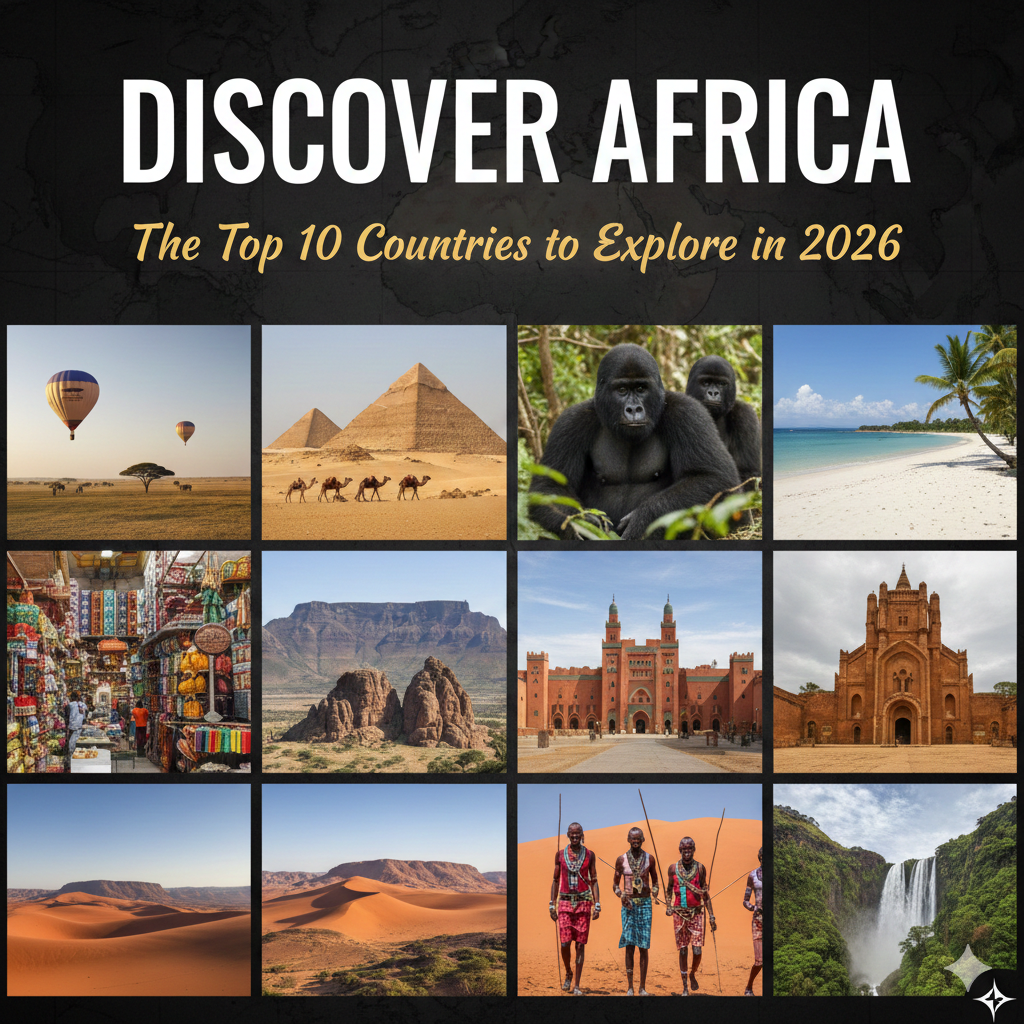
But with over 50 countries, each offering something different, planning your first or next trip can seem overwhelming. This guide aims to simplify your choices by highlighting 10 African countries, not just based on popularity but on what kind of traveller each is best suited to, what you can realistically expect, and how to plan your journey efficiently.
1) South Africa – Best All-Round African Destination
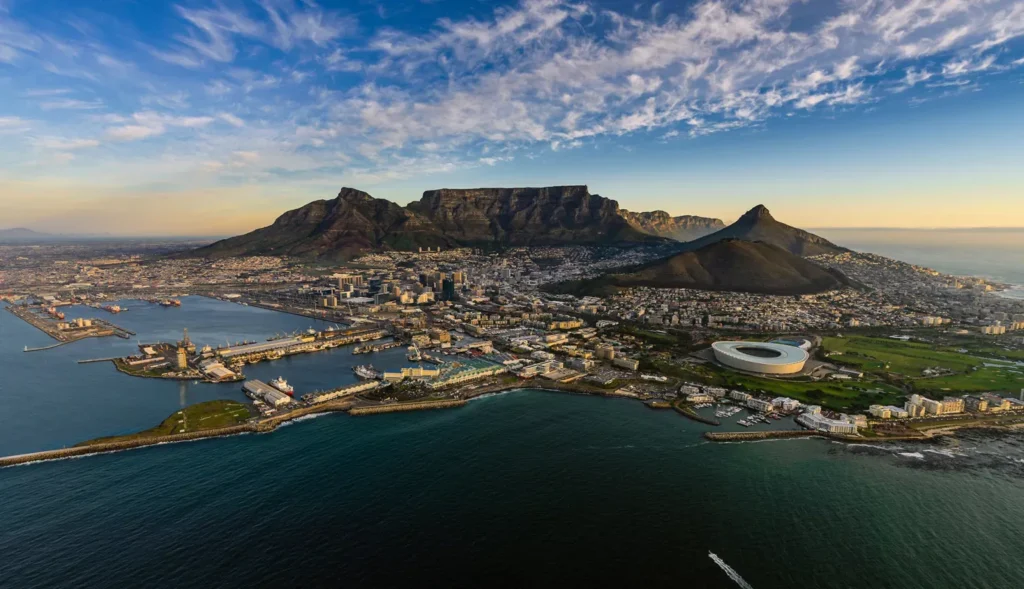
South Africa is often the first country that springs to mind for many travellers venturing into Africa. It’s a country of incredible diversity: vast national parks alive with wildlife, vibrant cities bursting with art and history, and scenic coastlines where mountains meet the sea. I visited Cape Town in the summer, and I still vividly remember hiking up Table Mountain early in the morning, the city sprawling beneath me, with the Atlantic Ocean shimmering in the distance. It’s a place that offers a little bit of everything.
The country’s well-established tourism infrastructure makes it accessible for first-timers, with excellent roads, a range of accommodation options, and guided tours that take the stress out of exploring. You can start your trip with a safari in Kruger National Park, where the Big Five—lion, leopard, elephant, buffalo, and rhino—are often seen in a single game drive. Then, spend a few days in Cape Town exploring its lively markets, visiting Robben Island where Nelson Mandela was imprisoned, or soaking up the sun on the beaches of Clifton and Camps Bay.
What makes South Africa particularly appealing is its mix of adventure and culture. You can go shark cage diving off Gansbaai, learn about the country’s complex history at the Apartheid Museum, or enjoy a wine tasting tour in Stellenbosch’s rolling vineyards. The local cuisine is also a highlight—try the braai (barbecue), bunny chow, or Cape Malay curry, each reflecting the rich cultural tapestry of the nation.
Expectations: South Africa is a country of contrasts. The infrastructure in major cities and safari parks is modern and efficient, but rural areas can be more rugged and less developed. Safety is generally good in tourist zones, but it’s wise to stay alert and avoid flaunting valuables. The currency is the South African rand, and English is widely spoken.
Travel tip: Combine a safari with city exploration, and consider renting a car for flexible travel. Many visitors also extend their trip to include a visit to the Cape Winelands or the Garden Route for stunning scenery and outdoor activities.
2) Kenya – Iconic Safaris and Cultural Experiences
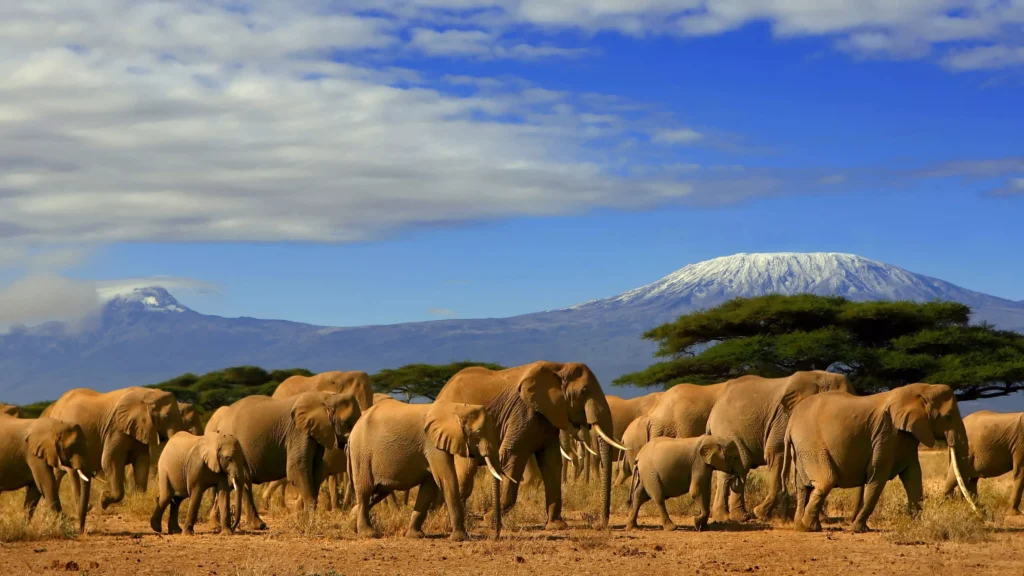
Kenya is often considered the birthplace of safaris and remains one of Africa’s most iconic wildlife destinations. I remember my first safari in Maasai Mara, where I watched a herd of elephants crossing a river at dawn, herds of zebras grazing peacefully, and a lioness hunting quietly in the tall grass. It was a humbling experience that made me feel deeply connected to nature.
Kenya’s vast savannahs are home to the world’s most spectacular wildlife, and with the right planning, you can witness the famous Great Migration, when millions of wildebeest and zebras move in search of greener pastures. The country offers a range of safari options—from luxurious lodges with all the comforts to budget camping safaris.
Beyond wildlife, Kenya offers rich cultural experiences. Visiting Maasai villages gives insight into indigenous traditions, colourful beadwork, and community life. Nairobi, the capital, is a vibrant city with museums, markets, and a lively nightlife scene.
Expect: A well-developed safari industry with professional guides, conservation efforts that help protect wildlife, and a friendly, welcoming atmosphere. Be prepared for early mornings on game drives and variable weather—dry season (June to October) is best for wildlife sightings.
Travel tip: Combine your safari with a visit to Lake Naivasha or the coastal town of Mombasa for diverse scenery and relaxation.
3) Tanzania – Wildlife and Adventure on a Grand Scale
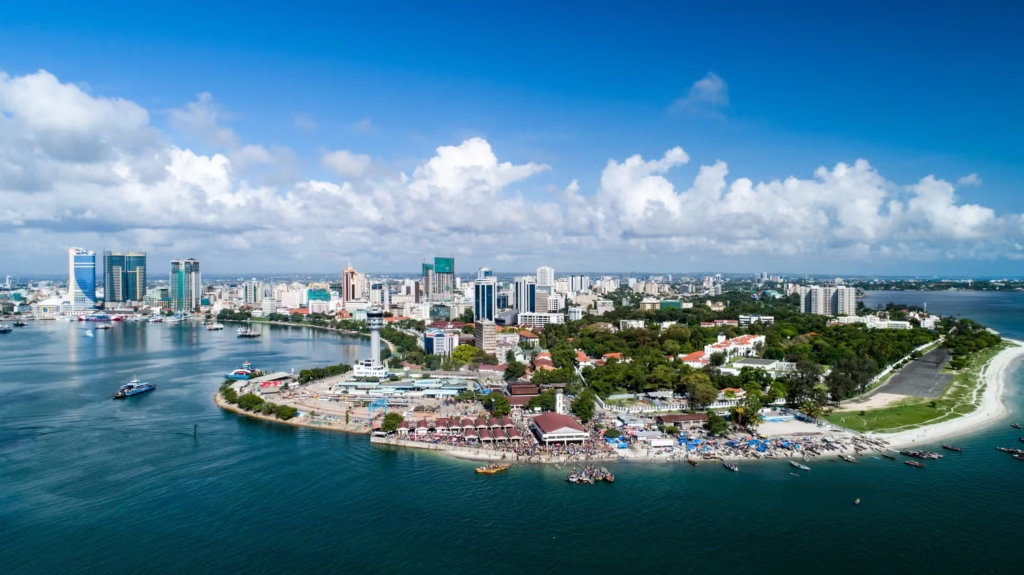
Tanzania is a land of epic landscapes, home to the Serengeti’s endless plains and the majestic Mount Kilimanjaro. I was fortunate enough to trek Kilimanjaro, and reaching Uhuru Peak was one of the most physically demanding yet rewarding experiences of my life. The view from the top, with glaciers melting into the clouds, was surreal.
The Serengeti’s vast savannahs host incredible wildlife, especially during the annual migration. Safari lodges here often feel like luxury retreats, with stunning views and exceptional service. Visiting Tanzania also opens doors to exploring the unique Maasai culture and the island of Zanzibar’s white sands and turquoise waters after your safari.
Expect: A mix of adventure and relaxation, with options for mountain climbing, game drives, and cultural visits. It’s best to plan well in advance for Kilimanjaro permits and safaris, especially during peak migration months (June to October).
Travel tip: Combine your safari with a trip to Zanzibar to unwind on beaches after your adventure.
4) Morocco – Culture, History, and Desert Landscapes
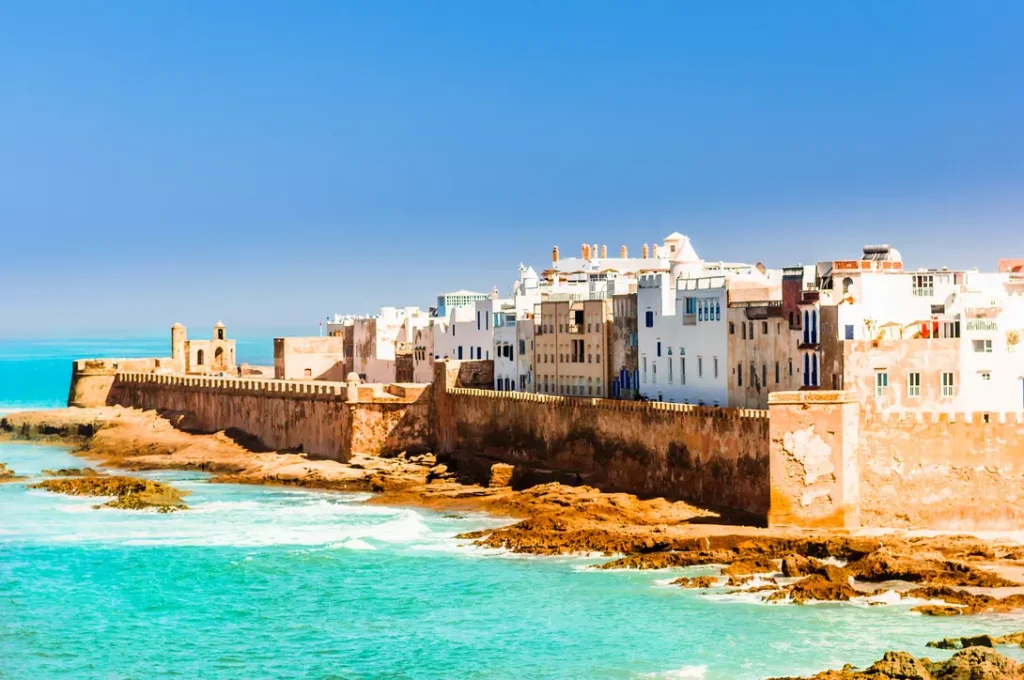
Morocco’s vibrant markets, ancient medinas, and sweeping desert landscapes make it a destination full of surprises. I loved wandering through the souks of Marrakech, bargaining for colourful textiles, spices, and ceramics, then relaxing in a riad courtyard with mint tea.
The Sahara Desert beckons for camel treks and overnight stays under the stars, while the Atlas Mountains offer stunning hiking and stunning scenery. The country’s rich history, blending Arab, Berber, and European influences, is visible everywhere—from the intricate tilework to the centuries-old kasbahs.
Expect: A lively, sensory-rich environment with a mix of organised tours and independent exploration. Dress modestly, especially in rural areas, and respect local customs.
Travel tip: Take a guided desert tour for safety and comfort, and spend a night in a desert camp for the full experience.
5) Egypt – Ancient Civilisation and Coastal Resorts
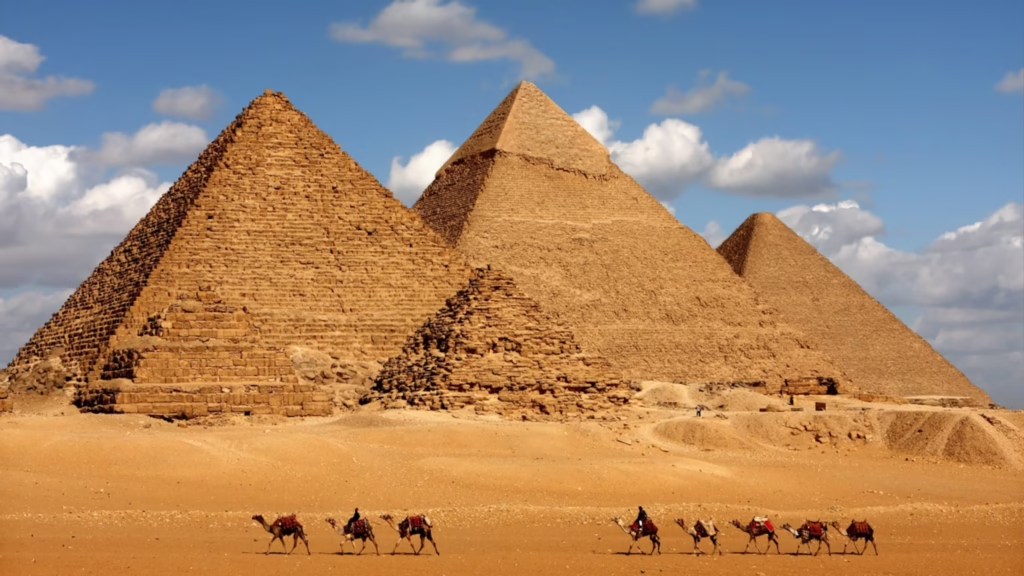
Egypt’s allure lies in its ancient monuments, from the pyramids of Giza to the temples of Luxor. I spent days exploring the Valley of the Kings and felt humbled by the history carved into every stone. A cruise along the Nile is a fantastic way to see many of Egypt’s highlights while relaxing on the water.
The country offers a fascinating blend of ancient history, vibrant markets, and desert landscapes. Cairo’s bustling streets and the historic Islamic Cairo district provide a sensory overload of sights, sounds, and smells. The Red Sea resorts like Sharm El Sheikh offer world-class diving and relaxation.
Expect: Well-developed tourist sites with guided tours, and a mixture of cultural, archaeological, and seaside experiences. Be prepared for busy attractions and book your tickets in advance.
Travel tip: Combine a visit to Cairo with a Nile cruise and a few days in Sharm El Sheikh or Hurghada for some beach downtime.
6) Namibia – Dramatic Landscapes and Self-Drive Adventures
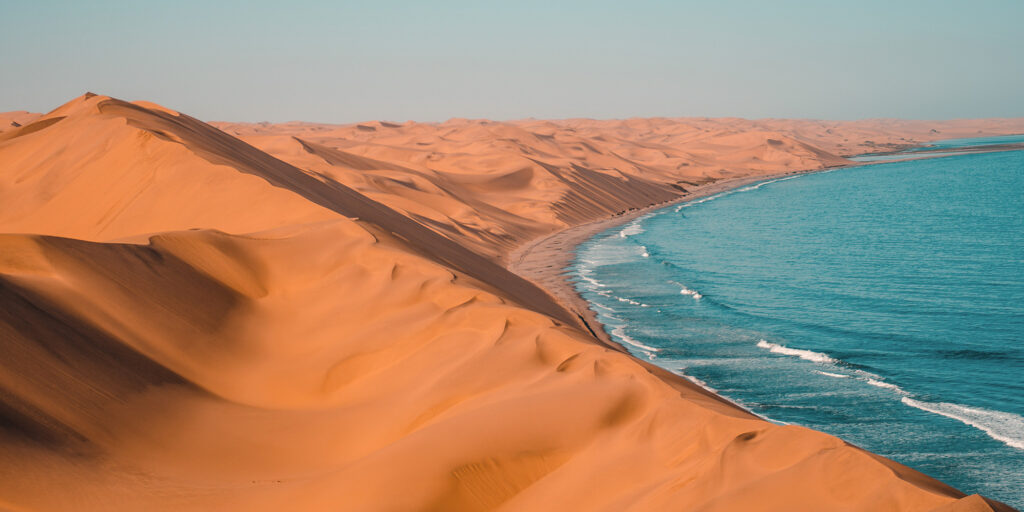
Namibia’s stark, beautiful landscapes are unlike anywhere else in Africa. I remember driving through Sossusvlei at sunrise, the towering red dunes glowing as the sun rose, creating a landscape straight out of a sci-fi film. It’s a place of surreal beauty and rugged adventure.
Namibia’s wildlife, especially in Etosha National Park, is thriving despite the arid environment. Here, you can see oryx, springbok, and elephants roaming freely. The country’s sparse population means fewer crowds and more opportunity to enjoy quiet, wide-open spaces.
Expect: A more remote experience with self-drive safaris, camping under the stars, and exploring unique geological formations like the Skeleton Coast and the Brandberg Mountain. It’s ideal for adventurous travellers seeking solitude and extraordinary scenery.
Travel tip: Rent a 4×4 vehicle to access the best spots and plan your itinerary to include both wildlife safaris and scenic drives.
7) Botswana – Premium Safari Experiences
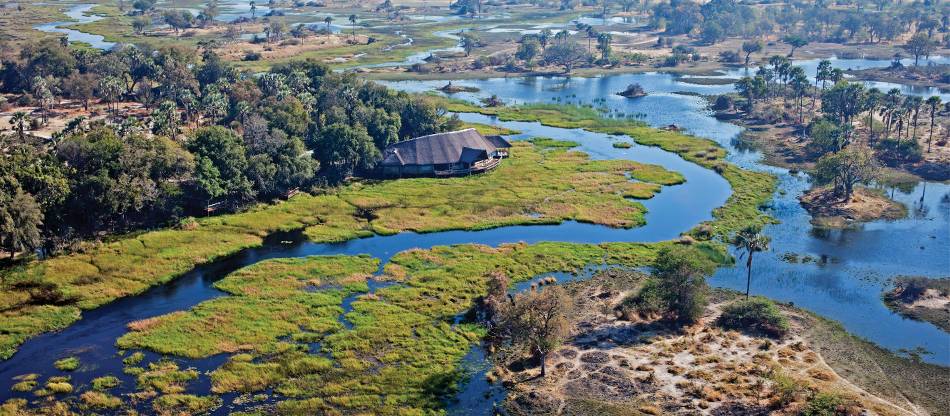
Botswana stands out as one of Africa’s premier safari destinations, renowned for its commitment to conservation and low-impact tourism. This focus ensures that its pristine wilderness remains intact, offering visitors an authentic and sustainable wildlife experience.
The Okavango Delta is Botswana’s crown jewel—a sprawling inland delta that transforms into a lush paradise during the flood season, attracting an incredible diversity of wildlife. Exploring it by mokoro (dugout canoe) or on game drives offers up-close encounters with elephants, hippos, lions, and an array of bird species. I remember gliding silently through the waterways, watching elephants wade through the reeds as the sun dipped low—an experience that truly connects you with nature.
Chobe National Park is another highlight, famous for its massive elephant herds and stunning riverfront scenery. A boat safari along the Chobe River is a must-do, providing a unique perspective on wildlife gathering at the water’s edge. The tranquility of drifting past elephants, crocodiles, and kingfishers is unforgettable.
Traveling to Botswana typically involves flights via Maun or Johannesburg, with internal transfers to lodges and camps. While costs tend to be higher—reflecting the country’s luxury lodges, private guides, and conservation efforts—the quality of experiences is exceptional. Many lodges are eco-friendly and offer exclusive wildlife encounters that are worth the investment.
For those seeking a responsible, high-end safari with a focus on wildlife preservation, Botswana is unmatched. Its pristine landscapes, abundant animals, and low-impact tourism make it a truly special destination for luxury travellers and wildlife enthusiasts alike—an authentic safari experience that’s both memorable and sustainable.
8) Zimbabwe – Natural Wonders and Adventure
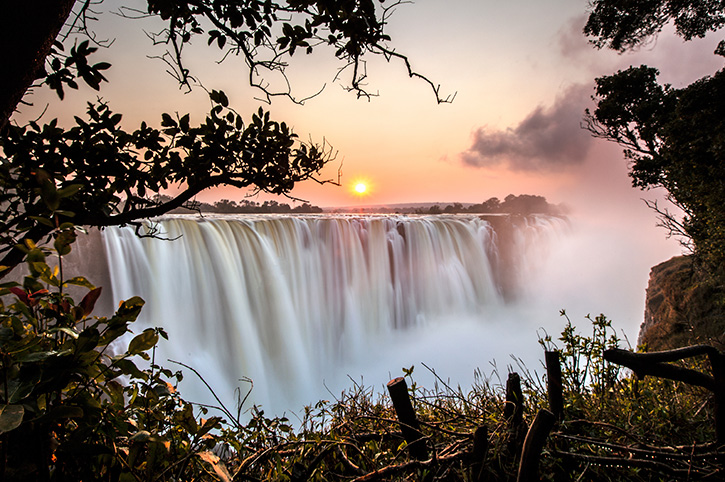
Zimbabwe is a country that often flies under the radar but offers some of Africa’s most dramatic scenery and rich history. I remember my first visit—standing on the edge of Victoria Falls, feeling the powerful spray of water and hearing the thunderous roar of one of the world’s greatest waterfalls. The landscape is breathtaking, with vast savannahs, lush forests, and ancient ruins that whisper stories of a glorious past. It’s a destination that appeals especially to adventure travellers and nature lovers seeking raw, unspoilt beauty and unforgettable experiences.
What sets Zimbabwe apart is its combination of natural wonders and cultural heritage. Yet, it remains a more off-the-beaten-path destination, making it perfect for those looking to explore less crowded, more authentic Africa.
Highlights of Zimbabwe
One of the main draws is Victoria Falls, a UNESCO World Heritage site often called “The Smoke That Thunders”. Witnessing this massive waterfall, which stretches over a mile across and drops more than 100 metres into the Zambezi River, is an awe-inspiring experience. I took a helicopter ride over the falls, and seeing the sheer scale of the cascade from above was a humbling reminder of nature’s power. The mist rising from the falls creates rainbows that seem to dance in the air, and the surrounding rainforest teems with wildlife and birdlife.
Hwange National Park is another highlight. It’s Zimbabwe’s largest game reserve and offers excellent opportunities for safari adventures. I spent a few days in Hwange, driving through open plains and spotting elephants, lions, hyenas, and herds of zebra and wildebeest. The landscape is vast and wild, giving you a true sense of Africa’s untouched wilderness.
The Zambezi River offers a wide range of activities that combine adventure with natural beauty. From white-water rafting on some of the best rapids in the world to relaxing sunset cruises, the river is the lifeblood of the region. I particularly enjoyed a sunset boat ride, where the river reflected the fiery colours of the sky, and herons and crocodiles lurked along the banks.
Who Is Zimbabwe Best For?
Zimbabwe is ideal for adventure travellers and nature lovers who want to experience Africa’s wilderness and spectacular landscapes. It’s perfect for those who enjoy outdoor activities like safaris, river rafting, and hiking, as well as travellers interested in history and culture. The country’s less commercialised vibe makes it more suited to explorers seeking authentic, raw experiences rather than luxury resorts.
Expect: A country where wild animals roam freely, landscapes are stunningly diverse, and the history of ancient civilizations and colonial legacy is palpable. The infrastructure is improving but can be basic in some areas, so flexibility and patience are helpful.
Travel tip: To make the most of your trip, consider combining Zimbabwe with neighbouring Zambia or Botswana. It’s easy to plan a multi-country adventure that includes game drives, river safaris, and exploring diverse ecosystems.
Getting There & Practical Travel Tips
Reaching Zimbabwe usually involves long-haul flights with stopovers, often via hubs like Johannesburg, Nairobi, or Addis Ababa. Once there, internal travel can be by air, private transfers, or overland safaris. While infrastructure has improved, some remote areas still require a bit of patience when it comes to transport.
Travel tip: To maximise your experience, plan your trip to include at least a few days in Victoria Falls and Hwange. It’s worth booking local tours and guides in advance, especially for activities like game drives and helicopter rides.
Why Combine Zimbabwe with Zambia or Botswana?
For a truly immersive safari experience, it’s highly recommended to include neighbouring Zambia or Botswana in your itinerary. Zambia is home to the mighty Victoria Falls on the Zambian side, offering incredible viewpoints and fewer crowds. You can enjoy walking safaris and canoeing safaris in places like South Luangwa or Lower Zambezi National Park, adding a different perspective to your wildlife adventure.
Botswana offers pristine wilderness and exclusive safari lodges in the Okavango Delta and Chobe National Park. Combining Zimbabwe’s dramatic landscapes with Botswana’s high-end safaris creates a comprehensive, unforgettable trip that showcases Africa’s diverse ecosystems.
Final tip: Check visa requirements and travel connections well in advance, as multi-country trips require some planning but are well worth the effort.
In Summary
Zimbabwe is a country of awe-inspiring scenery, rich history, and untouched wilderness. From the thunderous roar of Victoria Falls to the vast plains of Hwange, every corner offers a new adventure. It’s a destination that appeals strongly to adventure travellers and nature lovers eager to experience Africa’s raw beauty away from crowds.
With good planning, flexible itineraries, and perhaps a multi-country approach, Zimbabwe can be a highlight of your African journey—an authentic, wild, and deeply rewarding experience. Prepare to be amazed by the power of nature and the resilience of a land full of stories waiting to be uncovered.
9) Senegal – Culture, Music, and Coastal Life
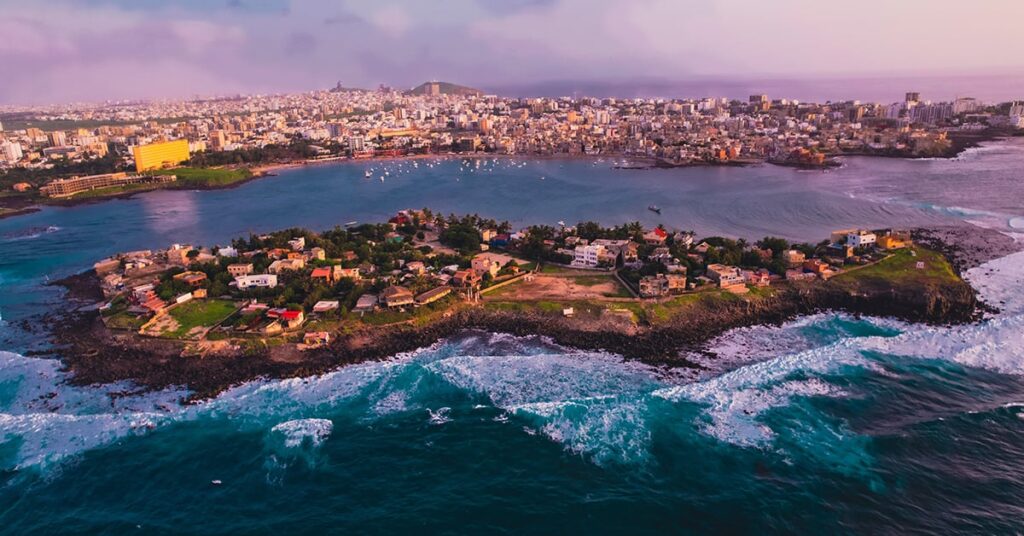
Senegal offers a laid-back West African experience, blending vibrant culture, historic sites, and stunning beaches. It’s perfect for travellers seeking an authentic, less hurried escape with plenty of character.
The capital city, Dakar, pulses with energy. Its lively markets, jazz cafes, and bustling streets reflect a dynamic urban culture. A must-visit is Gorée Island, a UNESCO World Heritage Site just off Dakar’s coast. Here, you can explore the poignant House of Slaves, which tells a powerful story of history and resilience. Walking through the island’s narrow streets, you’ll feel the weight of history, mixed with tropical breezes and colourful architecture.
Senegal’s Atlantic beaches, especially in places like Saly and Cap Skirring, offer pristine sands and warm waters—ideal for relaxing, swimming, or enjoying seaside seafood. The beaches are less crowded than other popular destinations, making them perfect for peaceful days under the sun.
For nature lovers, Senegal’s national parks, such as Niokolo-Koba, are home to diverse wildlife, including elephants, lions, and antelopes. Exploring these parks offers a chance to witness Africa’s rich biodiversity in a more tranquil setting.
Travelers should plan to spend some time soaking up local culture through festivals, music, and dance. Senegalese culture is vibrant and expressive, with jazz and traditional drumming playing a vital role. Festivals like Dakar’s Dakar Biennale showcase contemporary art and cultural expression.
Getting there involves flights to Dakar, which typically take about 9–10 hours from Europe or North America. Learning some basic French, the official language, greatly enhances your experience—whether ordering food, chatting with locals, or navigating markets.
In short, Senegal offers a relaxed yet rich cultural journey, with a welcoming atmosphere and diverse attractions that leave lasting memories.
10) Madagascar – Unique Wildlife and Biodiversity
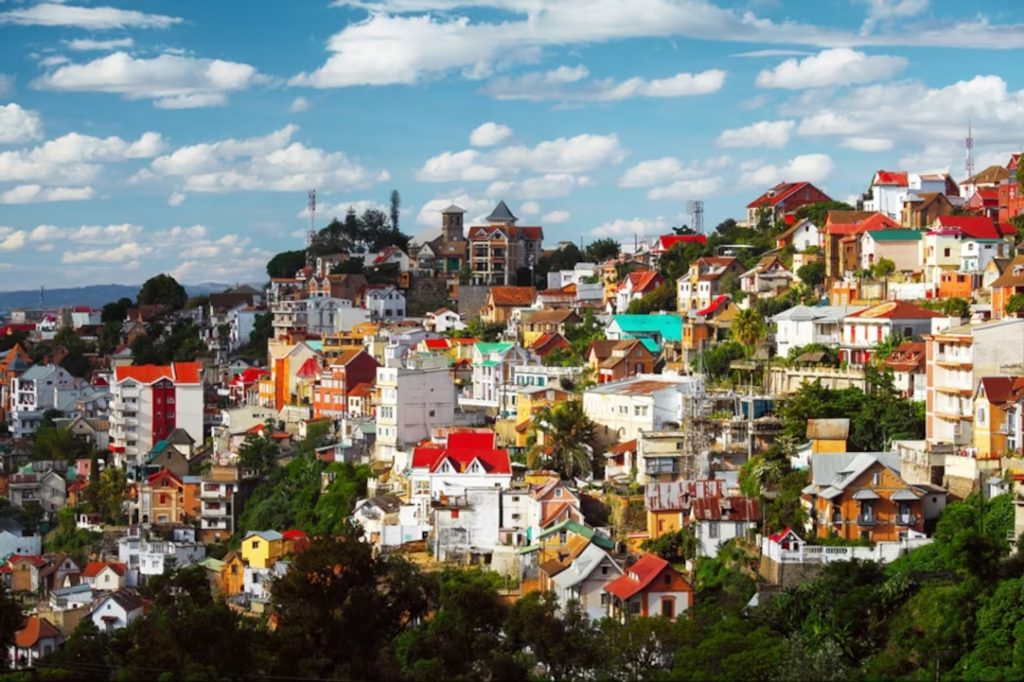
Madagascar feels like stepping into a different world, a place where extraordinary wildlife and landscapes exist nowhere else on Earth. Known for its incredible biodiversity, this island is a paradise for nature lovers and eco-tourism enthusiasts seeking a truly offbeat adventure.
One of Madagascar’s biggest draws is its remarkable wildlife—especially the lemurs. Watching these charismatic primates in their natural rainforest habitat is an unforgettable experience. The rainforests of Andasibe and Ranomafana are teeming with lemurs, chameleons, and colourful birds, offering a glimpse into evolution’s wonders.
A visit to Baobab Avenue near Morondava is like walking through a surreal landscape. The towering, ancient baobab trees create a striking silhouette against the sunset sky, making it one of the most iconic sights on the island. For those craving pristine, secluded beaches, Madagascar’s remote coastline offers crystal-clear waters, coral reefs, and soft sands—perfect for swimming, snorkelling, or just relaxing away from crowds.
Getting to Madagascar involves long flights with stopovers, often connecting through hubs like Nairobi, Addis Ababa, or Paris. Infrastructure can be limited outside main tourist areas, so guided tours are highly recommended to navigate the island efficiently and safely. They help you access remote rainforests, national parks, and beaches while ensuring you don’t miss the best spots.
Madagascar’s untouched beauty and extraordinary species make it a must-visit for eco-tourists and adventurers eager to explore nature’s marvels. With proper planning, this island’s wild landscapes and unique creatures promise an adventure of a lifetime—truly a world apart.
How to Choose the Right African Country for You
Selecting the perfect African destination depends on your travel style and what you want to experience. If it’s your first time in Africa, South Africa and Morocco are ideal choices—they offer a mix of vibrant cities, cultural sites, and accessible infrastructure, making your introduction to the continent smooth and memorable.
For wildlife and safari lovers, Kenya, Tanzania, and Botswana stand out. Kenya and Tanzania are famous for their iconic safaris and the Great Migration, while Botswana offers pristine wilderness and exclusive game viewing experiences in eco-friendly lodges.
If your interest lies in exploring Africa’s rich culture and history, Egypt, Morocco, and Senegal are excellent options. Egypt’s ancient pyramids and temples, Morocco’s medinas and desert landscapes, and Senegal’s vibrant music and historic Gorée Island provide deep cultural immersion.
For adventure seekers, Namibia and Zimbabwe deliver rugged landscapes, thrilling safaris, and outdoor activities like mountain trekking and river rafting. Namibia’s surreal deserts and Zimbabwe’s powerful waterfalls are perfect for adrenaline and exploration.
Finally, if you love nature and wildlife, Madagascar is a must-visit. Its unique flora and fauna, including lemurs and baobabs, create a truly distinctive natural experience.
Choosing the right country aligns your travel goals with what each destination offers, ensuring your trip is both exciting and fulfilling. Whether it’s your first adventure or a return journey, Africa’s diversity guarantees a memorable experience tailored just for you.
Final Thoughts: Is Africa Worth Visiting?
Africa offers experiences that are deeply memorable, whether it’s seeing wildlife in its natural habitat, exploring ancient civilisations, or connecting with diverse cultures. The key to enjoying Africa is choosing the right country for your travel style and planning realistically.
With proper preparation, Africa is not only safe and accessible, it’s life-changing.
Q: Is South Africa safe for first-time travellers?
A: For the most part, yes. Tourist areas like Cape Town, Johannesburg, and safari parks are well-policed, but it’s always wise to stay vigilant, especially in unfamiliar areas or at night.
Q: Can I see the Big Five in South Africa?
A: Yes, Kruger National Park and many private reserves offer excellent chances to see lions, elephants, leopards, rhinos, and buffalo in their natural habitat.
Q: Is it possible to visit both Cape Town and Johannesburg on the same trip?
A: Absolutely. Many travellers fly into Johannesburg, then take a short flight or drive to Cape Town, combining city life with safari adventures.
Q: Do I need vaccinations for South Africa?
A: It’s recommended to have vaccines for hepatitis A and B, typhoid, and tetanus. Some travellers also get malaria prophylaxis if visiting certain regions.
Q: What’s the best time to visit South Africa?
A: April to September is ideal for safaris, as animals gather around watering holes during the dry season, while September to November offers pleasant weather for city sightseeing and wine tours.
Q: Is Kenya safe for solo travellers?
A: Yes, especially in popular tourist areas and national parks. It’s advisable to join guided tours and avoid isolated regions after dark.
Q: When is the best time to see the Great Migration?
A: Between July and October, when the herds cross the Maasai Mara river.
Q: Do I need a visa for Kenya?
A: Many nationalities, including UK citizens, can get a visa on arrival or apply online before travel. Check the latest requirements.
Q: Is malaria a concern in Kenya?
A: Yes, particularly in certain regions. Consult your doctor about prophylaxis and take precautions against mosquito bites.
Q: Can I combine a safari with a beach holiday?
A: Absolutely. Many travellers finish their safari in Mombasa or Diani Beach for some relaxing days by the Indian Ocean.
Q: Is it safe to climb Mount Kilimanjaro?
A: With professional guides and proper preparation, Kilimanjaro can be a safe and rewarding experience. Ensure you book through reputable operators.
Q: When is the best time for safaris in Tanzania?
A: During the dry season, from June to October, animals congregate around waterholes, making wildlife viewing easier.
Q: Do I need a visa to visit Tanzania?
A: Many travellers can get a visa on arrival or apply online beforehand. Check current requirements.
Q: Is malaria a risk in Tanzania?
A: Yes, especially in the Serengeti and Ngorongoro. Consult your doctor about prophylaxis and mosquito protection.
Q: Can I visit Zanzibar after my safari?
A: Yes, Zanzibar is a popular post-safari destination, offering beautiful beaches, spice tours, and cultural experiences.
Q: Is Namibia safe for independent travellers?
A: Yes, Namibia is considered very safe for tourists, especially if you stick to popular routes and avoid isolated areas at night.
Q: What is the best time to visit Namibia?
A: The dry season, from May to October, offers the best wildlife viewing and cooler temperatures.
Q: Do I need a visa for Namibia?
A: Many nationalities, including UK citizens, get a visa on arrival or can apply online. Check current regulations.
Q: Is it safe to self-drive in Namibia?
A: Yes, but ensure your vehicle is in good condition, carry plenty of water, and be cautious on unsealed roads.
Q: Can Namibia be combined with other countries?
A: Yes, many travellers include Botswana or South Africa for a broader Southern Africa experience.
Q: Is Egypt safe for tourists?
A: Generally, yes. Tourist areas are well-protected, but always stay aware of your surroundings and follow local advice.
Q: Do I need a visa to visit Egypt?
A: Many nationalities, including UK citizens, can obtain a visa on arrival or apply online before travel.
Q: When is the best time to visit Egypt?
A: October to April offers the most comfortable weather, avoiding the extreme heat of summer.
Q: Is it safe to take a Nile cruise?
A: Yes, Nile cruises are popular and well-regulated, providing a safe and scenic journey.
Q: Can I visit the pyramids and still enjoy a beach holiday?
A: Absolutely. Many travellers combine their archaeological tours with stays at Red Sea resorts for a balanced trip.
Q: Is Morocco safe for tourists?
A: Yes, especially in popular cities and tourist areas. Exercise caution in less-travelled regions and avoid poorly lit streets at night.
Q: When is the best time to visit Morocco?
A: Spring (March to May) and autumn (September to November) offer mild weather ideal for sightseeing and desert trips.
Q: Do I need vaccinations to visit Morocco?
A: It’s recommended to have vaccines for hepatitis A and B, typhoid, and tetanus. Check with your healthcare provider.
Q: Can I travel independently in Morocco?
A: Yes, but guided tours, especially for desert excursions or mountain treks, are recommended for safety and local insight.
Q: Is it easy to find vegetarian or vegan options?
A: Yes. Moroccan cuisine often features vegetable tagines, salads, and bread, and many restaurants cater to dietary preferences.
Q: Is Zanzibar safe for tourists?
A: Yes, especially in resorts and popular tourist areas. Use common sense—avoid poorly lit streets at night and keep valuables secure.
Q: When is the best time to visit Zanzibar?
A: June to October and December to March are dry seasons, ideal for beach activities and diving.
Q: Do I need a visa for Zanzibar?
A: Many nationalities, including UK citizens, get a visa on arrival for 30 days. Verify current regulations before travel.
Q: Can I go on a cultural tour?
A: Absolutely. Visit Stone Town, spice farms, and local villages for authentic cultural experiences.
Q: Are there family-friendly resorts in Zanzibar?
A: Yes, many resorts offer kids’ clubs, shallow beaches, and family villas, making it suitable for all ages.
Q: Is Rwanda safe for tourists?
A: Yes, Rwanda is considered one of Africa’s safest countries, with low crime rates and friendly locals.
Q: How do I see mountain gorillas in Rwanda?
A: Book your gorilla permit months in advance through authorised operators, then join guided treks in Volcanoes National Park.
Q: When is the best time to visit Rwanda?
A: The dry seasons—June to September and December to February—are best for gorilla trekking and wildlife viewing.
Q: Do I need vaccinations for Rwanda?
A: Yes, including yellow fever vaccination, and malaria prophylaxis is recommended.
Q: Can I combine Rwanda with other safaris?
A: Yes, many travellers include Uganda or Kenya for broader wildlife experiences.
- Is it safe to travel to Africa for first-timers?
Yes, especially in popular tourist destinations and national parks. Follow local advice, avoid risky areas, and stay in reputable hotels or lodges. - What is the best time to visit Africa for wildlife safaris?
Dry seasons—typically June to October in East Africa and May to September in Southern Africa—are best for wildlife sightings because animals congregate around water sources. - Do I need vaccinations for travel to Africa?
Most countries require yellow fever vaccination and recommend vaccines for hepatitis A and B, typhoid, and malaria prophylaxis, depending on your itinerary. Always consult your healthcare provider before travelling. - How much should I budget for an African trip?
It varies widely—budget travellers can manage on £30–£50 a day, mid-range trips on £80–£150, and luxury safaris or lodges can cost thousands of pounds per week. - Can I combine multiple African countries in one trip?
Yes, especially in regions like Southern Africa or East Africa, where flights or overland routes connect countries. Many travellers do multi-country safaris or cultural tours for a broader experience.
Content Disclaimer
This article is written for informational purposes based on research, publicly available data, and original structuring. We aim to provide accurate and helpful travel guidance. Images used are royalty-free or belong to their respective owners.